You know that feeling when you accidentally pull a sweater out of the dryer and it looks more like a doll’s outfit than something you can actually wear? Yeah, that’s kinda what happens to proteins when they unfold. But, like, in a biological sense.
Seriously! Proteins are vital in our bodies—doing everything from building muscle to fighting off bugs. When they unfold, it’s not just some fashion faux pas. It can seriously mess things up!
Imagine if your favorite song got played backward: same notes, just totally jumbled. That’s basically what goes down with proteins—they lose their shape and function. And let me tell you, the implications of this unfolding game can be both wild and important for biology.
So, let’s unravel this together (pun intended)! We’ll explore how proteins unfold, why it matters for all of us living beings, and maybe even throw in some real-life stories along the way. Ready? Here we go!
Understanding the Biological Significance of Protein Folding in Molecular Biology
Protein folding is like a secret handshake in the world of biology. It’s where a simple chain of amino acids gets all twisty and turns into a functional protein. You see, proteins are super important for our bodies—they do everything from speeding up chemical reactions to sending signals between cells. But here’s the kicker: if they don’t fold correctly, they can’t do their job right.
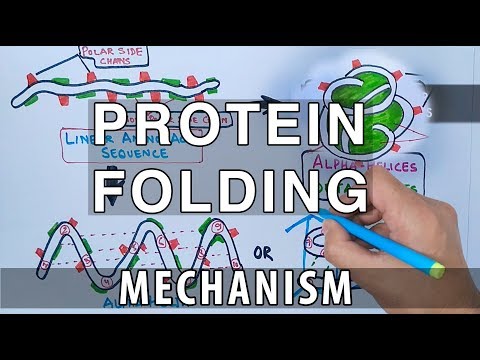
So, let’s break it down a bit. When proteins are made, they start as long chains of amino acids, kind of like a pearl necklace that’s just waiting to be worn. This initial structure is known as the primary structure. Then comes the magic part—folding! This occurs in different stages:
- Secondary structure: Here, hydrogen bonds form between parts of the amino acid chain, leading to structures like alpha helices and beta sheets. Imagine curling up in your favorite chair; that’s how the protein starts to feel comfy.
- Tertiary structure: Next up is where things get all three-dimensional. The protein folds further upon itself due to interactions between side chains—some repel each other while others hug it out! This 3D shape is crucial because it determines how the protein works.
- Quaternary structure: Some proteins need friends! They might come together with other folded proteins to form complexes. For instance, hemoglobin brings four subunits together so we can carry oxygen in our blood effectively.
Now, you might be thinking—this all sounds cool, but why should I care? Well, if a protein misfolds, the consequences can be pretty serious. Take prions, for example; these are misfolded proteins that can cause diseases like mad cow disease and Creutzfeldt-Jakob disease. When they misbehave by inducing normal proteins to fold incorrectly too… yikes! That can lead to a cascade of issues in the brain.
You know that feeling when you’re trying to zip up your jacket but it’s caught on something? That’s kind of what happens when proteins unfold or misfold during cellular processes. Sometimes they just need help folding correctly—this is where molecular chaperones come in. Think of them like personal trainers for proteins; they assist in achieving proper folding and prevent rogue behavior from taking over.
The implications here are huge! Understanding protein folding, and unfolding could lead us to better treatments for diseases linked with misfolding or aggregation. Researchers are exploring ways to fix these mistakes at a molecular level—to restore functionality or even develop drugs that target these problems specifically.
To wrap it all up: protein folding isn’t just some nerdy science term tossed around in textbooks—it’s fundamental to how life works at the microscopic level! Every little twist and turn matters immensely when it comes down to whether our cells function properly or not. So next time you hear about proteins or how they fold and unfold, remember: it’s not just chemistry; it’s a life-or-death dance happening within every living organism!
Exploring the Implications of Protein Misfolding: Impact on Health and Disease in Molecular Biology
Alright, let’s chat about something that might sound a bit complex but is super interesting: protein misfolding. You might be thinking, “What’s the big deal with proteins folding incorrectly?” Well, it turns out that this tiny mess can lead to some pretty serious health issues.
First off, proteins are like little workers in our cells. They do a ton of jobs—think of them as the builders, messengers, and guards of your body. For them to work right, they need to fold into specific shapes. If they don’t fold correctly, it’s kind of like trying to put together a jigsaw puzzle with pieces from different sets. Doesn’t work out too well! And that’s where misfolding comes in.
You see, protein misfolding can happen for various reasons. Sometimes it’s due to genetic mutations. Other times it can be environmental stress or just the way things go as we age. When proteins misfold, they don’t just fail in their jobs; they can also form clumps or aggregates that are toxic to cells.
- Alzheimer’s Disease: Misfolded proteins like amyloid-beta start sticking together in the brain and form plaques. This interrupts communication between brain cells and leads to memory loss.
- Parkinson’s Disease: Another protein called alpha-synuclein misfolds and clumps together into Lewy bodies, causing motor control issues and tremors.
- Cystic Fibrosis: A defective protein named CFTR doesn’t fold properly, which prevents it from reaching the cell surface where it helps regulate salt and water balance. This causes thick mucus buildup in organs!
The impact of these misfolded proteins isn’t something we want anyone experiencing—seriously heartbreaking stuff if you ask me. I remember visiting my grandpa in the hospital when he was diagnosed with Alzheimer’s. It was tough seeing someone who once had such a sharp mind struggle with memories like they were slippery fish escaping his grasp.
You might be asking yourself why we should care about how proteins fold or misfold? Well, understanding these processes can help scientists develop treatments or even find ways to prevent these diseases altogether! Imagine if we could trick the body into folding proteins correctly again—how amazing would that be?
Molecular biology continues to explore these mechanisms because each little discovery brings us closer to real solutions for conditions that affect millions around the globe.
So yes, while protein misfolding might seem like a minor issue on paper—or at first glance—it has huge implications for health and disease! It’s wild how something so tiny can have such an enormous impact on our lives.
Exploring the Impact of Protein Structure on Functional Dynamics in Biological Systems
Protein structure is like the blueprint of life. You see, proteins are made up of chains of amino acids that fold into specific shapes. These shapes determine what the protein can do, and that’s where it gets super interesting. When a protein is functioning well, it’s usually in its **native state**—that means it’s folded just right to do its job. But sometimes things go wrong, and proteins can unfold or misfold, which can lead to all sorts of issues in biological systems.
Now let’s break down the **levels of protein structure** a bit:
- Primary structure: This is just the sequence of amino acids linked together. Think of it as the simple chain where every bead represents an amino acid.
- Secondary structure: Here, parts of the chain start to coil into shapes like spirals (called alpha helices) or pleats (beta sheets). It’s kind of like how a piece of paper might fold.
- Tertiary structure: Now we’re getting into more complex folding where the protein takes on a 3D shape. This 3D shape is crucial because it really influences how the protein interacts with other molecules.
- Quaternary structure: Some proteins come together with other proteins to form a bigger complex. It’s like several puzzle pieces fitting together to create one big picture.
When these structures are disrupted—let’s say due to heat or changes in pH—it can lead to **protein unfolding**. Just picture trying to straighten out a beautifully coiled ribbon. Once it unfolds, its function tends to go out the window since that unique shape was crucial for its job.
One classic example is how some diseases are linked with misfolded proteins. Take Alzheimer’s disease: it’s thought that certain proteins in the brain misfold and start clumping together, creating plaques that mess up signaling in nerve cells. That’s pretty serious because those signals are what help us think!
Understanding protein dynamics—which is basically how they move and change shape—is vital too. The protein doesn’t just sit there static; it often undergoes conformational changes (that’s just posh talk for shape changes). These changes can be triggered by various factors such as binding with other molecules or environmental conditions.
So, when a drug company wants to develop a new medication, they often look at how their drug will affect protein dynamics. Imagine trying to unlock a door: if you have the wrong key (or no key at all), good luck getting through!
This dance between folding and unfolding impacts everything from metabolic pathways to enzyme functions and even immune responses! When proteins start acting unpredictably due to structural issues, biological processes can get thrown off track—leading ultimately to disease.
To sum up: The relationship between **protein structure** and **functionality** is fundamental in biology. An understanding of this relationship not only helps scientists grasp basic life mechanisms but also leads them towards developing solutions for diseases linked with protein misbehavior—a journey full of twists and turns yet crucial for understanding life itself!
You know how sometimes you pull a sweater out of the dryer, and it’s all twisted and wrinkled? Well, that’s kind of what can happen to proteins in our bodies. When proteins unfold, it’s not just a wardrobe malfunction; it can lead to some serious implications in biology.
So let’s break this down a bit. Proteins are like those little worker bees in your cells. They help with everything—digestion, immune response, muscle contraction—you name it. But they have to be in the right shape to do their jobs properly, just like that sweater needs to be intact for you to wear it.
When proteins unfold, or “denature,” they can lose their function. This can happen due to changes in temperature, pH levels, or even when they interact with other molecules. It’s sort of like if you dunked that sweater in boiling water—it’s no longer wearable! I remember once spilling coffee on my favorite shirt and being devastated when I realized the stain wouldn’t come out; proteins feel that same kind of betrayal when they lose their shape.
Now, you might be wondering why this matters so much. Well, misfolded proteins are behind various diseases—think Alzheimer’s or Huntington’s disease. These conditions often involve clumps of misfolded proteins that disrupt normal cellular activities. And trust me; it’s not pretty! It’s like having a bunch of unruly kids running around during class—it makes everything chaotic and hard to manage.
But it’s not all doom and gloom! Our cells are equipped with chaperone proteins that help refold these unwound structures back into shape. Kind of like having a friend who helps you get dressed properly for an important meeting after you’ve had a wardrobe crisis!
In short, protein unfolding is pretty crucial in biology. It impacts health on so many levels! So next time you hear about protein folding or unfolding, just think about your favorite clothing mishaps—it brings a whole new meaning to the term “fashion disaster,” don’t you think?