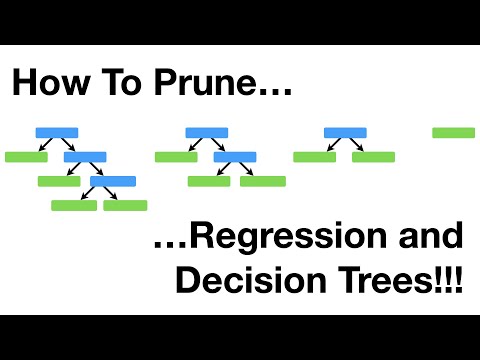
Okay, so imagine you’ve got this overgrown garden. You know, the kind where plants are fighting for space and sunlight? It’s a jungle out there! Now, picture trying to find one tiny flower in all that chaos. Not easy, right?
Well, this is kinda like machine learning. You’ve got all these data points piling up, and sometimes they just don’t make sense together. That’s where pruning comes in!
Think of it as giving your model a good haircut. You’re cutting away the unnecessary stuff so the important bits can shine. It’s all about enhancing performance by simplifying things!
So let’s explore some cool pruning techniques that can help your machine learning models thrive without the weeds choking them out. Trust me; it’ll be like turning your data jungle into a beautiful botanical garden!
Exploring the Types of Pruning Techniques in Machine Learning: A Comprehensive Guide
So, let’s chat about pruning techniques in machine learning. Yeah, it sounds kinda technical and all, but stay with me; it’s actually pretty interesting and super useful. Pruning helps us make our models smarter and more efficient by cutting out the unnecessary stuff. You know how you might trim a plant to help it grow better? It’s kinda like that, but for algorithms.
What is Pruning?
Pruning refers to the process of removing certain parts of a model—like decision trees or neural networks—that don’t contribute much to its performance. This can help reduce the complexity of the model and improve its speed without sacrificing accuracy.
Types of Pruning Techniques
There are several types of pruning techniques used in machine learning, each with its unique approach:
- Pre-Pruning: This technique involves stopping the growth of a decision tree early. Basically, before splitting a node in the tree, you check if it’s necessary—if not, you don’t do it! So instead of growing a massive tree that tries to cover every detail, you create a simpler one that still gets the job done.
- Post-Pruning: After you’ve built your decision tree, this method allows you to trim off branches that don’t provide good predictions on new data. It’s like saying, “Hey, this part doesn’t really help anyone!” You evaluate how each branch affects accuracy and cut what’s not working.
- Weight Pruning: Used mainly in neural networks, weight pruning removes weights (connections between neurons) that are less important. When you’re training a model, some weights end up being tiny—almost zero. By cutting those out entirely, your network can run faster while still being smart.
- Neuron Pruning: Similar to weight pruning but at a higher level. Here you remove entire neurons (the basic computing units in neural networks) from your model if they don’t significantly affect performance. Less clutter means quicker decisions!
- Structured Pruning: Instead of randomly cutting parts here and there, structured pruning removes entire sections or groups within the network systematically. This leads to more organized models which can be easier to optimize later on.
A Bit About Overfitting
One major reason we prune is to combat overfitting. It happens when our model learns too much from our training data—it’s like memorizing answers instead of understanding them! By pruning away unnecessary complexities, we help ensure our model focuses on what really matters.
I remember once attending this workshop where they got us all involved in designing decision trees. A friend was super excited about his giant tree he crafted with all sorts of fancy splits—until he realized it was way too complicated for real-world data! The instructors explained pre-pruning just as he was showing off; it so clicked with everyone when they saw how simplifying could actually lead to better predictions!
The Bottom Line
Pruning is like that crucial edit you make before submitting an essay or putting on a presentation: less fluff means clearer ideas! Whether you’re building simple models or deep neural nets, using these techniques can seriously enhance performance while making everything faster and cleaner.
So yeah! Next time someone mentions pruning in machine learning conversations—or maybe during a casual coffee chat—you’ll know what’s going on behind those technical terms!
Understanding the 3 C’s of Pruning: A Scientific Approach to Plant Health and Growth
Sure thing! Let’s talk about the 3 C’s of pruning, which are pretty crucial when it comes to keeping plants healthy and promoting their growth. Just like a well-trained model in machine learning, plants benefit from some careful trimming.
1. Cleaning is all about removing dead or diseased branches. Imagine you’ve got a favorite plant, and suddenly you notice yellowing leaves or limp stems. Those parts could be holding the plant back, just like unnecessary noise in a data set can mess with a model’s performance. When you clean up your plant, you’re allowing it to focus its energy on the healthier parts, making overall growth stronger.
2. Cutting is next on our list! This involves shaping the plant for better light exposure and airflow. Think of it as creating space between your party guests so everyone can mingle! In machine learning, this is kind of like adjusting parameters to make sure the model isn’t overfitting by focusing too much on specific data points. You want the plant to have room to breathe and thrive without excessive competition for resources.
3. Cultivating may sound obvious but hang tight—this one’s crucial! After you’ve cleaned and cut, you’ve got to encourage your plant’s new growth through proper care. Give it water, nutrients, and maybe even some love (yes, talking to plants actually helps!). Similarly, in machine learning models, once you’ve done your pruning—cleaned out unnecessary data points—you’ll need to cultivate them by feeding them more relevant information for better performance.
So yeah, knowing these 3 C’s can literally change how a plant grows—just like fine-tuning a machine learning model can boost its success rate significantly! Remember that both plants and models need some TLC after they go through all this work.
Pretty cool how those ideas connect, huh? Whether you’re pruning branches or refining algorithms, it’s all about fostering growth and enhancing health in whatever system you’re working with!
Understanding Model Pruning in Machine Learning: Enhancing Efficiency and Performance in Scientific Applications
Model pruning is one of those cool techniques in machine learning that makes models not only run faster but also be more efficient. Imagine you have a giant tree, and you want to cut off some branches to make it easier to manage while keeping the tree healthy. That’s kind of what pruning does to machine learning models!
When we build these complex models, they often end up with loads of parameters. You know, think of them like little knobs and dials that help the model learn from data. But sometimes, having too many can make things clunky and slow—like trying to jog with a backpack full of bricks instead of just a water bottle!
Pruning helps by getting rid of those unnecessary parameters. Basically, you identify which parts of the model aren’t contributing much to its performance and trim them away. It’s like cleaning out your closet; you find stuff you haven’t used in ages and realize it’s time to let go.
So, how does this work? Well, there are a few popular methods:
- Weight pruning: This involves removing weights that are deemed unimportant based on their value. Weights close to zero might not be doing much for the model anyway.
- Neuron pruning: Here, entire neurons (just think about individual units in your brain!) are removed if they don’t contribute significantly to the final predictions.
- Structured pruning: Instead of just taking out individual weights or neurons randomly, structured pruning focuses on larger groups—like entire channels in convolutional neural networks (CNNs). This can simplify the architecture greatly.
It’s fascinating stuff! But let’s get real for a second: why go through all this trouble? Well, one big reason is efficiency. Pruned models take up less memory and compute power, which means they can run on devices with fewer resources like smartphones or IoT devices without breaking a sweat.
Take mobile apps for example; they often need quick responses but don’t have the luxury of powerful processors. By using pruned models, developers ensure that users still get accurate results without long loading times.
And then there’s performance! Often after pruning a model, it can actually perform better than before because it focuses on the most useful features instead of being distracted by noise—kind of like tuning into your favorite song by turning down all those annoying background sounds!
But here’s something interesting: there’s always a trade-off involved. Pruning too aggressively might lead to losing important information and it could cause your model accuracy to drop—that’s risky business! So machine learning experts usually test different levels of pruning until they find just the right balance.
In scientific applications—where accuracy matters tons—you often see researchers making use of these techniques. Imagine working on drug discovery or climate modeling; efficiency plus performance means faster results without sacrificing quality.
So next time you’re hearing about fancy AI stuff or how machines are getting smarter every day, remember that behind all that complexity lies something as simple yet effective as model pruning. It’s an essential part of refining these big ideas into processes we can actually use in everyday life!
So, let’s chat about this concept called “pruning” in machine learning. At first glance, it might sound like something you’d do with a plant, but honestly? It’s way more about fine-tuning those complex models we build. Like, imagine trying to create the perfect recipe for your favorite cake. You might start with a whole bunch of ingredients—flour, sugar, eggs—and then realize that too much of one thing makes it taste off. Pruning is kind of like that.
I remember this one time when I tried to bake a chocolate cake for my best friend’s birthday. I was so excited I just kept throwing in chocolate—dark, milk, even white chocolate! But guess what? The end result was this clumpy mess that didn’t taste anything like what I had envisioned. That’s kind of what happens when you throw too many variables into a machine learning model without properly managing them.
In machine learning, models can get super complicated and sometimes they end up memorizing the data instead of actually learning from it. This is sort of like me with that cake; I got so wrapped up in adding flavor that I lost sight of the recipe! So pruning helps by cutting out unnecessary parts or features from the model—like taking out those added chocolate bits—to help it focus and perform better.
There are different techniques for this pruning process. Some folks might use something called “weight pruning,” which is essentially knocking out less important parameters from a neural network. Others might apply “neural architecture search,” where they experiment with different structures to see which ones work best while trimming away the excess.
Just think about it: you want your model to be efficient and effective. And sometimes less really is more! By simplifying the model through pruning techniques, you not only speed up processing time but also reduce the chances of overfitting—when your model learns too much noise and becomes unreliable on new data.
It’s all about balance, right? Just like figuring out how much sugar goes into your cookies or how many plants you can fit in your apartment without feeling like you’re living in a jungle! So next time you hear someone mention pruning in machine learning, just remember: it’s all about refining and honing those models so they can shine bright without getting lost in unnecessary details! Pretty neat stuff when you think about it!