You ever notice how every time you meet someone new, it’s like a little game of “pick your personality”? I mean, one minute you’re hanging out with the life of the party, and the next, you’re chatting with someone so calm they could probably meditate through a tornado.
That’s psychology for you! It’s not just some dusty old books and theories. It’s all about understanding what makes us tick. Seriously! From why we laugh at our own bad jokes to how we handle stress when life gets hectic, it’s wild when you really think about it.
So, let’s talk about human development too. Have you seen how kids go from babbling babies to opinionated teens in what feels like a week? There’s so much science behind those changes; trust me, it’ll blow your mind.
Basically, psychology and human development are all around us every single day. And getting into it? It’s like peeling back the layers of an onion—though thankfully without any tears!
Exploring the Intersection of Psychology and Human Development: Insights from Scientific Research
Psychology and Human Development are like two best buddies who walk this crazy journey of life together. Each stage of growth—whether you’re a kid learning to ride a bike or an adult navigating relationships—shapes who you become. So, let’s break down how these fields intersect and why they matter.
First off, developmental psychology focuses on how our behavior and thinking evolve from childhood to adulthood. This discipline dives deep into the changes we go through, influenced by our environment, biology, and experiences. You might not realize it, but everything from your earliest memories to your latest life decisions is part of this puzzle.
- Cognitive Development: This is all about how we learn, think, and solve problems as we grow. Ever watched a toddler figure out how a shape sorter works? That’s cognitive development in action!
- Emotional Growth: As we develop emotionally, we learn to understand our feelings and those of others. Think back to when you first realized that your friend was upset and you wanted to help. That’s emotional intelligence blooming.
- Social Skills: Developing social skills is crucial for forming relationships. Remember that awkward phase when making friends felt like rocket science? Yeah, that’s normal! But with time and practice, things get easier.
Now, what’s super cool is the role of attachment theory, which looks at the bonds we form with caregivers in early life. Those early connections can impact everything from how you relate to others later on to your own parenting style someday! If a baby feels secure with their parents, they’re more likely to grow up confident.
Also, have you thought about how culture influences development? Different cultures have various norms around raising kids, education styles, and social interactions. For instance, children in collectivistic cultures may prioritize group harmony over individual achievement. These cultural differences shape not just behavior but also values.
Speaking of values—what about morals? As kids grow up, they start grasping right from wrong based on family teachings or societal norms. The way psychologists study this process sheds light on why people make particular choices as adults.
And let’s not forget about the role of mental health. Psychological challenges can arise during any developmental stage—from childhood anxiety disorders to adult depression—which can skew growth paths significantly. Addressing these issues early can have profound effects throughout one’s life.
By understanding these intersections between psychology and human development better—including the influences of cognitive growth, emotional maturity, social skills—and even external factors like culture or mental health—we get clearer insights into ourselves and each other.
So next time you notice patterns in yourself or someone else’s behavior—or remember that awkward phase in school—it could be all those psychological principles playing out in real-time! Just goes to show how intertwined our minds are with our journeys through life!
Exploring James Sully’s Contributions to Psychology: Insights into the Science of the Mind
James Sully was, like, one of those pivotal figures in the early development of psychology. You know? His contributions were crucial in shaping how we think about the mind and behavior today. Though he may not be a household name like Freud or Jung, his influence is still felt.
One thing that stands out about Sully is his interest in child psychology. He took a keen look at how children develop cognitively and emotionally. For instance, he believed that understanding kids’ minds could help adults nurture them better. Imagine a parent or teacher being able to tap into the way a child thinks and feels—pretty cool, right?
Sully also emphasized the importance of perception and attention. He argued that our experiences are shaped by how we perceive things around us. Think of it this way: two people can witness the same event but interpret it differently based on their unique perspectives. Sully’s work laid some groundwork for what would eventually become cognitive psychology.
Another fascinating aspect of his work was his focus on **psychological phenomena** like emotion and imagination. He explored how our feelings can influence our thoughts and vice versa. Basically, he showed that emotions aren’t just fleeting; they’re integral parts of our mental processes.
Also noteworthy is Sully’s contribution to the study of aesthetics—the philosophy of beauty and taste—as it relates to psychology. He believed that our appreciation for art isn’t just about what we see but deeply linked to emotional responses as well! This connection paved the way for further exploration into how art can affect mood and mental health.
In writing, Sully was pretty prolific too! His books, like *“Studies of Childhood”* (1896), served as essential resources for both students and professionals in psychology. His detailed observations provided insights into developmental stages in children that were pretty groundbreaking back then.
So, if you think about it—Sully’s work helped create a bridge between early psychological theories and modern approaches to understanding human behavior today. It’s amazing to realize how these early insights have led us down paths that continue to explore everything from social science to therapy techniques.
In summary, James Sully might not always get the spotlight he deserves, but his legacy in psychology is significant:
- Child development insight
- Perception shapes experience
- Emotion influences thought
- Aesthetics link between art & psychology
- Prolific writer & researcher
Pretty fascinating stuff when you consider how far we’ve come thanks to pioneers like him!
Exploring the 4 Stages of Human Development in Psychology: Insights from Developmental Science
Alright, so let’s jump into the fascinating world of human development in psychology. You know, it’s kind of like peeling an onion. Each layer reveals something new about how we grow from tiny humans into, well, the complicated beings we are today. There are generally four main stages that people go through during their lives, according to developmental science. Let’s break them down.
1. The Infancy Stage (0-2 years)
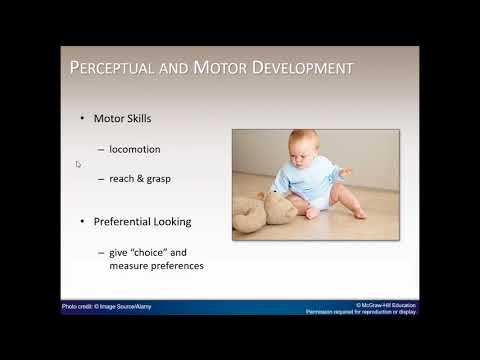
This is where everything begins! Infants start off totally helpless and dependent on grown-ups for survival. They learn to trust their caregivers—like, think about when you were a baby and cried until someone picked you up or fed you. That bond? Super essential! This stage sets the groundwork for how we form relationships later in life.
2. The Early Childhood Stage (2-6 years)
Now things get interesting! Kids become curious little explorers. They’re learning language and starting to make sense of the world around them. Ever seen a toddler ask “Why?” a hundred times? Yup, that’s them trying to figure stuff out! They begin developing their sense of self and start interacting with peers. Playtime isn’t just fun; it’s key for social skills!
3. The Middle Childhood Stage (6-12 years)
Diving into school life now! Kids develop better cognitive skills—like problem-solving and critical thinking—and they become more aware of rules and structure in society. It’s during this stage that friendships become super important too. Having a best buddy can feel like having a lifeline, right? Plus, kids start comparing themselves to others and figuring out where they fit into the larger picture.
4. The Adolescence Stage (12-18 years)
This one is like riding a rollercoaster—not always smooth! Teens face a whirlwind of changes: physically, emotionally, and socially. Identity exploration kicks in big time as they try to figure out who they really are apart from their families. Think about it—remember your teenage years? That quest for independence can lead to some pretty intense emotions and conflicts!
The cool thing about these stages is they’re not just about growing up; they show how experiences shape who we become as adults. Feelings of trust or insecurity formed during infancy could influence how you handle relationships later on, for example.
You see? Human development isn’t just a straight path; it’s more like an intricate dance where each stage builds on the last one—a little cha-cha here or there as we stumble forward through life.
- The infancy stage: Learning trust.
- The early childhood stage: Exploring curiosity.
- The middle childhood stage: Establishing social connections.
- The adolescence stage: Identity formation.
This journey is what makes us who we are—complex individuals shaped by our experiences at each step along the way!
You know, psychology is such a fascinating field. It’s like we’re constantly peeling back the layers of what makes us tick. When I think about human development, it really strikes me how much our experiences shape who we are, right? Like, remember that time when you faced a challenge and thought you wouldn’t make it? But then, somehow, you found a way through. That’s growth!
These days, the science of psychology dives deep into everything from childhood development to how our brains work as we age. There are so many theories out there—think about Piaget with his stages of cognitive development or Erikson’s psychosocial stages. They both give us insight into the different phases we go through in life—like when we doubt ourselves as teenagers or seek intimacy in young adulthood.
But here’s the thing: it’s not just about learning theories and reading textbooks. I mean, sure, those concepts are super important! Yet seeing how they apply in our daily lives is even cooler. Like when you notice how your friend deals with stress compared to you—maybe they dive into exercise while you prefer to binge-watch shows after a long day.
And with modern technology zooming ahead like a rocket ship, we’ve now got tools that let us access this wealth of knowledge at our fingertips! Online therapy options and mental health apps are popping up everywhere. It’s like having a mini psychologist in your pocket! But it also brings up some questions—are these tools enough? Can they replace genuine human connection?
Honestly, sometimes I feel overwhelmed by all this information out there. So many voices telling us how to feel and develop as people can create confusion or even pressure to “get it right.” The reality is that every person has their own journey; there’s no one-size-fits-all approach.
So yeah, reflecting on psychology today feels like looking at a complex puzzle where all the pieces are unique and always changing! It’s messy but beautiful too because understanding ourselves helps us connect with others on deeper levels.
Ultimately, life just isn’t just about theories or studies; it’s about experiences and emotions—how our stories intertwine over time shapes not only us but everyone around us too!