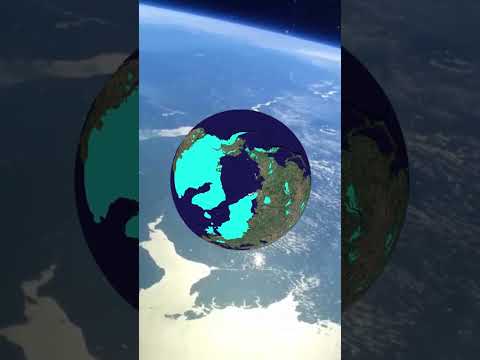
So, picture this: you’re at a party, and someone starts talking about the Ice Age like it was last weekend. You know, glaciers everywhere, woolly mammoths roaming around? Crazy stuff, right?
Well, that’s basically what Quaternary geology is all about! It’s the study of Earth’s history over the last 2.6 million years — a blink in geological time. And there’s so much drama packed into those years!
From icebergs melting like ice cream on a hot day to ancient humans figuring out how to make fire (thank goodness for that), it’s wild if you think about it.
This field helps us understand not just our planet’s past but also clues about our future. Cool, huh? So let’s unravel this recent history together; you’re gonna want to stick around for this ride!
Key Geological and Biological Events of the Quaternary Period: A Scientific Exploration
The Quaternary Period is a captivating chapter in Earth’s history, stretching from about 2.6 million years ago to the present. This period is like the movie that never ends; it’s been happening right under our feet while we live our busy lives! Basically, it’s been a time of dramatic changes—both in the landscape and among living things.
Key Geological Events
To kick things off, let’s talk geology. The Quaternary is marked by **ice ages**—huge sheets of ice that covered vast areas. There were several glacial and interglacial cycles during this time. You know those massive glaciers we see in pictures? Well, they once stretched down into places like Canada and even parts of the northern United States!
The most recent glacial period, known as the Last Glacial Maximum, peaked around 20,000 years ago. Imagine standing where New York City is now, but under a mile-thick sheet of ice! Crazy, huh? As these glaciers melted away over thousands of years, they shaped landscapes by carving out valleys and creating lakes.
Another geological aspect worth noting is volcanic activity. There have been eruptions that significantly impacted climate and ecosystems. For instance, you can look at Mount St. Helens; its eruption in 1980 showed how quickly nature can change everything.
Key Biological Events
Now onto biology! The Quaternary was a rollercoaster for living organisms. At the start of this period, many fascinating creatures roamed the Earth—think woolly mammoths and saber-toothed cats! Unfortunately, as climates changed and humans began to spread out more, many of these megafauna disappeared.
You might’ve heard about extinctions happening during this time; they were partly due to climate changes but also linked to human activities like hunting. It’s kind of sad when you think about it; those giant animals were once kings and queens of their domains.
Amidst all this chaos, humans evolved. Yep! Early humans started as hunter-gatherers during this period. They learned to adapt to various environments—from frozen tundras to warm forests—and developed tools that helped them survive.
And let’s not forget about biodiversity! Various species evolved or adapted during these shifts in climate and habitat conditions. Many plants we know today find their roots (pun intended) back in this time frame.
The Bottom Line
The Quaternary Period teaches us so much about resilience—not just among creatures but also how landscapes evolve over time. Every glacier left behind its mark on Earth while living beings learned to adapt or perish based on their surroundings.
So there you have it—a brief overview of key geological and biological events during the Quaternary Period! It’s like reading an epic saga where nature writes both drama and comedy at every turn. Isn’t it cool to think about all this history unfolding right beneath us?
Understanding the Last Quaternary Period: Key Dates and Geological Significance
The last Quaternary period, wow, it’s like this epic chapter in Earth’s story. We’re talking about a time when dramatic climate changes shaped landscapes and life as we know it. So let’s break this down in a way that makes total sense!
What is the Quaternary Period?
The Quaternary period started around 2.6 million years ago and continues all the way to now. That’s a seriously long time! It’s divided into two epochs: the Pleistocene and the Holocene.
The Pleistocene Epoch
This phase lasted from about 2.6 million to around 11,700 years ago. Picture glaciers stretching across much of North America and Europe; it’s wild! During this time, Earth experienced ice ages—periods where big chunks of ice covered land. One of the biggest ice ages was called the Last Glacial Maximum, which occurred about 20,000 years ago.
Imagine living then! A few brave souls roamed these icy terrains looking for food. They had to adapt quickly or risk becoming another lost chapter in history. Fossils from this epoch show mammoths and saber-toothed cats roaming around—pretty cool, huh?
Key Dates:
- 2.6 million years ago: Start of the Quaternary.
- 800,000 years ago: The most recent glacial cycles began.
- 20,000 years ago: Last Glacial Maximum.
The Holocene Epoch
Then comes the Holocene, which kicked off about 11,700 years ago and is still happening today! This time has been marked by warming climates and rising sea levels—goodbye glaciers! This warming allowed for lush plant growth and for humans to start farming.
And here’s something you might not think about: during this epoch, humanity saw major advancements like agriculture and urbanization—talk about progress!
Key Developments:
- Agriculture began around 10,000 years ago.
- The rise of cities happened over the last few thousand years.
Geological Significance
Understanding this period helps scientists grasp how climate changes shape ecosystems over long timescales—not just in terms of ice but also how species evolve or go extinct because of these shifts.
Take those massive mammals we mentioned earlier—they disappeared partly due to changing climates but also because early humans started hunting them more intensively as they settled into new areas.
Overall, looking back at the last Quaternary period gives us insights into our planet’s future too! Understanding these patterns can help tackle current issues with climate change.
So yeah, whether it’s ice ages or agricultural revolutions, the story of Earth during the Quaternary is one filled with twists and turns that shaped everything we see today!
Exploring the Holocene: Unraveling Earth’s Climate, Biodiversity, and Human Impact in Scientific Research
The **Holocene** is a pretty cool epoch. It started around 11,700 years ago, after the last Ice Age wrapped up. Think of it like the Earth’s latest chapter. Seriously, this time period has been essential for shaping our climate, biodiversity, and our own human story.
So, what do you need to know? Well, in these thousands of years, Earth’s climate has been relatively stable. We’ve seen temperatures rise and fall a bit but overall, it’s been warm enough for life to thrive. That’s why you see such rich and varied ecosystems today. The thing is, nature isn’t just sitting still. It’s evolving! Here are some highlights:
- Climate Changes: The Holocene has gone through various climate shifts—like the Medieval Warm Period when temperatures rose enough to boost agriculture in Europe.
- Biodiversity: This era witnessed the rise of many species—plants and animals doing their thing in ways we’re still studying today.
- Human Impact: The human footprint became significant during the Holocene. From farming to urbanization, our actions have literally shaped landscapes.
You know that moment when you step outside on a sunny day and feel fantastic? That’s part of our Earth enjoying its warm Holocene glow! It’s also reflective of how we influenced climate through things like deforestation or pollution. Everything’s connected!
But here’s where it gets a bit tricky: human activities have caused some alarming changes in this delicate balance. Think about it; wildfires fueled by drier conditions or species going extinct because their habitats are being wiped out. For example, sea levels are rising due to melting ice sheets from climate change—it’s like watching your favorite beach slowly disappear!
Now let’s get into scientific research surrounding the Holocene. Scientists study sediment cores from lakes or oceans to understand past climates better. These cores act like time capsules! They give us clues about temperature changes over millennia by analyzing tiny creatures’ remains called foraminifera.
There have also been exciting studies on ancient pollen found in these layers that reveal what kinds of plants thrived back then—helpful for understanding how biodiversity reacted to past climate shifts.
Each piece of data helps paint an intricate picture of how everything is connected through time—climate influences life forms create impacts that influence us too.
So yeah! Exploring the Holocene isn’t just about looking back; it’s actually super relevant when thinking about our future environment as well! We can learn from this history to make better choices today before we tip the balance too far one way or another.
In wrapping this all up—the Holocene stands as a vital chapter in Earth’s storybook filled with lessons on resilience and adaptation—for both nature and humanity alike! Isn’t that something worth pondering?
Quaternary geology is like a time machine that helps us peek into the Earth’s latest chapters. It’s the study of the last 2.6 million years, which, if you think about it, is a blink in the cosmic eye. This period is where we find ice ages, massive glacial movements, and all sorts of changes that shaped our landscapes. I mean, just imagine how much has gone on since then!
So picture this: you’re standing on a hillside covered in layers of dirt and rocks. Each layer tells a story—like the rings of a tree but way cooler! These layers can show us ancient ecosystems and climate variations that happened back when mammoths roamed around. Every time I think about those giant creatures walking where I live now—it gives me chills!
And then there’s the whole idea of human history intertwined with geological changes. Our ancestors witnessed these dramatic shifts firsthand; some were even forced to adapt to new climates or migrate to find food as glaciers advanced and retreated. Can you imagine living through such times? It’s kind of amazing how resilient humans can be when faced with nature’s extremes.
Quaternary geology also has significant implications for understanding current climate change. By looking back at how Earth responded to past warming and cooling periods, scientists can better predict what might happen next. It’s like trying to solve a puzzle using pieces from both the past and future.
Now, consider all those places we love visiting—the Grand Canyon, for instance! It didn’t just pop up overnight; it evolved over millions of years, shaped by rivers eroding rock and sediments deposited from ancient seas or glaciers melting away. Each time we hike through such areas, we’re literally walking through history.
So yeah, studying Quaternary geology isn’t just about rocks and dirt; it’s also about stories—stories of survival, change, and adaptation. It’s humbling to realize how interconnected everything is—how our present connects with Earth’s distant past. And honestly? That sense of connection renews my appreciation for this planet we call home!