You know that feeling when you’re trying to remember where you put your keys, and it hits you that they were in your pocket the whole time? Well, Earth’s geology is kinda like that—complex and confusing, yet oddly familiar.
So, picture this: you’re hiking up a mountain, and you spot a rock that looks like it traveled through time. Honestly, it probably did! Those layers tell stories that are wild—like ancient oceans or fiery volcanic eruptions.
Earth’s tectonic plates are constantly on the move, kind of like restless roommates who never stay in one place for too long. They crash into each other, pull apart, and create some of the coolest features on our planet.
In this little journey through melange geology, we’ll piece together these tectonic tales. Grab a snack; let’s uncover what makes our planet so intriguing!
Unraveling Earth’s Greatest Geological Mystery: Insights from the Science of Geology
Melange geology is like a geological mystery novel, with clues hidden in layers of rock and soil. You might be wondering what that even means. Well, let’s break it down. Imagine you’re at a party where everyone brings something different to share—pizza, tacos, sushi. That’s kind of how melange works in the Earth’s crust, where different types of rock and materials come together, often from various places.
So, what makes melange so special? The thing about it is that it tells stories—like the epic saga of tectonic plates moving and colliding over millions of years. This process can lead to a jumbled mix of rocks getting squeezed together, but there’s more to it. It’s not just random chaos; there’s actually a method to the madness!
Here are some key points about melange geology:
There are even specific locations on Earth where you can see this kind of geology in action. For instance, the Franciscan Complex in California is known for its impressive melange deposits. Geologists study these areas closely because they provide insights into how past tectonic movements shaped our planet.
Now think about this: melange doesn’t just help us understand the history of our planet but also can affect current geological activity. When two plates are busy colliding or sliding around each other, they can create earthquakes! So yeah, understanding these jumbled rocks is vital—not only for piecing together Earth’s history but for predicting future events too.
What’s super cool is that these geological stories don’t get old; they evolve! As scientists continue to study new formations and revisit old sites with fresh eyes—and technology—they uncover even more secrets hidden within these rocky tales.
So next time you’re out hiking or driving through rocky landscapes, remember there could be an entire story beneath your feet waiting to be told through the magic of melange geology. Who knew rocks could have such rich histories?
Exploring Plate Tectonics: The Unifying Theory of Geology and Its Impact on Earth Sciences
So, plate tectonics, huh? It’s one of those things that really puts the whole Earth thing into perspective. Basically, our planet’s outer layer—the lithosphere—isn’t just one solid chunk. It’s like a gigantic jigsaw puzzle made up of several big pieces called tectonic plates. These plates are floating on the semi-fluid layer beneath them, known as the asthenosphere. Just think of it like a giant pizza with all these toppings slowly sliding around!
Tectonic Plates and Their Movement
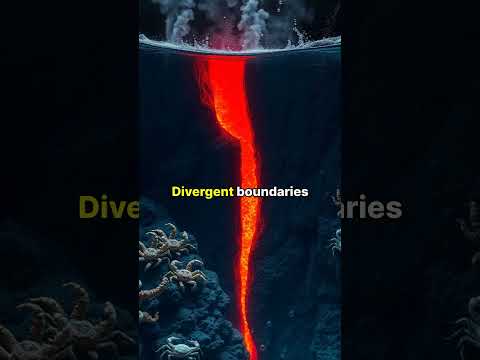
You know how sometimes you feel an earthquake and wonder what the heck is going on? Well, that’s typically because these plates are moving, and sometimes they bump into each other! They can pull apart, push together, or slide past one another. This movement creates all sorts of geological features—mountains rise where they collide, and valleys form where they pull apart.
What’s cool is that scientists believe this theory unifies many aspects of geology. It explains not only earthquakes but also volcanic activity and mountain-building processes. So when you’re hiking up a mountain thinking about how beautiful it is, remember: that beauty is thanks to some serious plate action happening millions of years ago.
Melange Geology
Now let’s talk about something a bit funky called melange geology. So melange isn’t just a fancy word for mix; it refers to a complex mixture of rock types typically found in areas where tectonic plates converge—like at subduction zones. When one plate dives beneath another (a process called subduction), materials from both plates can end up mixed together in this chaotic jumble.
Imagine you’re at a yard sale where everything’s heaped together; that’s kind of what happens with rocks in melanges! You find bits of sedimentary rock mixed with jagged pieces from igneous sources. This gives geologists clues about the past environments and processes that shaped those regions.
Impact on Earth Sciences
The impact of plate tectonics on earth sciences is massive. It affects how we understand climate change, natural resources distribution, and even biodiversity evolution over time. For instance:
- Earthquake Prediction: Knowing where these plates are can help scientists predict possible earthquakes.
- Resource Locations: The movement often leads to the formation of important resources like oil and gas.
- Biodiversity: Changes in landforms affect habitats which influence species’ evolution!
It’s like nature’s own way of keeping things fresh!
So next time you feel an earthquake rumble or gaze at mountains piercing the sky, just remember: it’s all part of this beautiful dance between tectonic plates that has been shaping our planet for eons! And isn’t it fascinating to think about how we’re all connected through these geological stories?
You know, when you think about how the Earth is put together, it’s pretty mind-blowing. It’s not just one solid piece; it’s like this huge puzzle made up of different bits and pieces that tell stories of our planet’s past. Melange geology is one of those amazing topics that really gets into the nitty-gritty of how all these pieces fit together—and sometimes clash!
Imagine a giant blanket tossed over a bed but with all sorts of wild patterns and colors mixed in. That’s kind of what melange is like! It’s formed from different rocks, minerals, and sediments that have been squeezed and shoved together by tectonic forces over millions of years. Picture two massive tectonic plates pushing against each other: they can create all sorts of chaos. Who knew a simple collision could create such drama?
I remember a few years back, hiking through some mountains and coming across all these strangely mixed-up rocks. Some were shiny and sleek, while others looked old and craggy. I found myself picking them up and examining them closely, kind of like a little kid on a treasure hunt. It hit me then just how much history was layered inside those stones—the tales they could tell if they only had voices!
The thing is, melange isn’t just about pretty rocks or cool shapes; it also tells us about past environments and conditions deep beneath the Earth’s crust. It can reveal where continents used to be or how the ocean floors have changed over time. And isn’t that just awe-inspiring? When we learn about these geological stories, it puts into perspective not only Earth’s history but also our place in it.
But here’s the kicker: studying melange geology is challenging! Scientists have to deal with messy rock formations and complicated histories—like untangling spaghetti! But that’s what makes it exciting too, right? All this complexity reflects not just geological processes but also highlights the dynamic nature of our planet.
So yeah, next time you’re out in nature or even driving through some hilly areas, take a second to glance at those rock formations around you. There are stories everywhere waiting for someone to notice them—like mysterious messages from deep time whispering secrets about how our beautiful planet has evolved into what we see today! Isn’t life just wild?