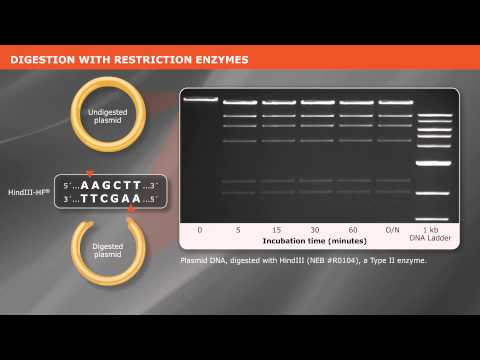
So, you know those little scissors in the lab called restriction enzymes? They’re like the cool kids of genetic research. Seriously, they have this knack for cutting DNA at specific spots, and that’s pretty much a big deal in science.
I remember my first day in the lab. I was all excited, feeling like a mad scientist. Then my mentor pulled out these tiny bottles of enzymes and said they could “snip” our target DNA. I was baffled! Like, how do they even know where to cut?
Turns out, each enzyme is programmed to recognize a specific sequence of letters in DNA – kind of like having a secret password! It’s wild how these microscopic superheroes help us explore genetics and even tackle things like genetic diseases. So buckle up; we’re about to break down how these amazing little guys work their magic in research!
Comprehensive Guide to Recognition Sites for Restriction Enzymes in Molecular Biology
Alright, let’s talk about recognition sites for restriction enzymes in molecular biology. It might sound a bit complex, but I promise it’s not rocket science. Basically, restriction enzymes are like tiny scissors that cut DNA at specific spots, called recognition sites. These sites are crucial for genetic research and biotechnology.
So, what exactly are these recognition sites? Well, they are specific sequences of nucleotides in the DNA that restriction enzymes look for to make their cuts. Think of it as a lock-and-key system: the enzyme is the key and the recognition site is the lock. When they fit together perfectly, that’s when the enzyme does its job.
Most recognition sites are palindromic. This means if you read them forwards on one strand, they’re identical to when you read them backwards on the complementary strand. For example, consider the recognition site for a common enzyme like EcoRI: it recognizes and cuts at the sequence GAATTC. When you look closely, if you flip GAATTC around (backwards), it still reads as CTTAAG—crazy cool!
Now let’s dive into how this plays out in genetic research. Here are some key points:
- Gene Cloning: If you want to clone a gene, you need an enzyme to cut your DNA so that you can insert your gene of interest into a plasmid—a small circular piece of DNA.
- DNA Mapping: By knowing where enzymes cut within a DNA fragment, researchers can map out genes and other important elements on chromosomes.
- CRISPR Technology: Although CRISPR-Cas9 uses different mechanics to edit genes, understanding restriction enzymes helps illuminate how gene editing technologies developed.
One time during my lab days, we were working on inserting a gene into bacteria using restriction enzymes. Everyone was super tense because we had limited time before our sample would degrade! We prepped everything: we had our plasmid ready and our recognition sites mapped out like some kind of treasure hunt! When we finally got that clean cut right in front of us—oh man! It was like winning the lottery!
And here’s something else: not all restriction enzymes are created equal. Their specificity varies; some may recognize 4-base pairs (like EcoRI) while others may go for 6 or even more bases! What this means is greater precision or flexibility depending on your needs.
Plus, scientists have identified hundreds of different restriction enzymes from various organisms—like bacteria—where they evolved as defense mechanisms against viruses (how cool is that?). You’ve got options! Some popular ones include BglII and HindIII; each with its unique cutting patterns.
So yeah, understanding recognition sites isn’t just academic; it’s essential for all sorts of applications in genetics and molecular biology. And knowing how to work with these tiny enzymatic scissors opens up tons of possibilities for research and innovation in life sciences!
Identifying Restriction Sites in Genes: A Comprehensive Guide for Molecular Biology Research
You know, when you start digging into molecular biology, one of the essential tools you encounter is restriction enzymes. They can feel a bit like tiny molecular scissors, cutting DNA at specific places. These specific spots where they cut are called **restriction sites**, and understanding how to identify them can totally change your game in genetic research.
So, what exactly are these restriction sites? Well, they’re short sequences of DNA, typically around 4 to 8 base pairs long, that these enzymes recognize and bind to. For example, let’s say you have a restriction enzyme called EcoRI. It targets the sequence **GAATTC** and makes its cut between the G and A. Imagine it like a lock-and-key scenario; if the sequence isn’t just right, that lock won’t open!
Now let’s think about why knowing these sites is crucial. When you’re working on genetic engineering—like cloning or inserting genes into plasmids—you’re going to need to cut DNA at precise locations. By identifying where these restriction sites are, you can plan your experiments effectively.
But how do you identify these sites? First off, you’ve got to look at your DNA sequence. You can use online databases or software tools designed for this purpose. Many of them allow you to input your sequence and will tell you where various restriction enzymes will cut it.
- Start by getting your DNA sequence available in FASTA format.
- Then plug this sequence into a restriction site finder tool.
- The tool will help pinpoint all the possible restrictions sites for a range of enzymes.
It’s really pretty neat!
Let me share an anecdote that highlights how cool this can be: I once overheard a student in lab totally freak out because they were trying to clone a gene but couldn’t find any suitable restriction sites near their target region. They wasted a whole afternoon until someone suggested looking at alternative enzymes—voila! With some persistence and those tools, they found not just one but two nice spots for cutting! That moment was sweet victory.
Remember though: not all restriction sites are made equal. Some might create overlapping sequences that might mess with your cloning strategy later on. So keep an eye on how those cuts might affect the overall function of your resulting plasmids or inserts.
The thing is, once you’ve identified those critical spots with the software helping out, you’ll still want to double-check everything manually too—like proof-reading an essay before submission! Just one little mistake could throw off everything you’re trying to achieve.
In summary, pinpointing those restriction sites is key in molecular biology research because it helps you plan your experiments like a pro. With some practice and handy tools available online (and maybe some trial-and-error), you’ll be navigating through DNA sequences in no time! Just remember each enzyme has its quirks—take some time discovering them so you don’t get caught off-guard later on!
Understanding the Key Differences Between Recognition Sites and Restriction Sites in Molecular Biology
So, let’s get into the nitty-gritty of recognition sites and restriction sites in molecular biology. Seriously, these terms pop up a lot, especially when you’re diving into genetic research. Understanding them is a big deal for scientists and anyone who’s just curious about how life works at the tiny level.
Recognition Sites are specific sequences of nucleotides in DNA that are recognized by certain proteins, like transcription factors or enzymes. These sites can be pretty diverse in terms of structure and function. They act like tiny doorways on the DNA strand where proteins can latch on to influence gene expression. Think of it like a key fitting into a lock—you’ve got to have the right sequence for things to work.
Now, on the flip side, we’ve got Restriction Sites. These are also specific sequences in DNA, but they’re mainly associated with restriction enzymes—those cool molecular scissors that cut DNA at precise locations. The important part? Restriction sites are typically palindromic sequences, meaning they read the same forwards and backwards. It’s a little quirky but makes sense when you look at how these enzymes work.
Here’s something interesting: while both types of sites are crucial for genetic processes, their functions are distinct.
- Function: Recognition sites help regulate gene activity by allowing proteins to bind and either promote or inhibit transcription.
- Cutting: Restriction sites enable enzymes to cut the DNA into smaller pieces, which is super helpful in cloning or genetic engineering.
- Sequence Characteristics: Recognition sites can vary widely across different proteins; restriction sites tend to follow specific patterns that enzymes recognize.
I remember this one project back in school where we had to use both types of sites. It was all about manipulating some genes using restriction enzymes. We had our recognition sequences mapped out so we could know where proteins would bind for expression control while setting up cuts with our chosen restriction enzymes. It was kind of thrilling to see all those processes come together!
So yeah, it’s really about knowing what role each site plays within the cell’s machinery. Recognition sites give proteins their targeting abilities while restriction sites provide physical tools for manipulating DNA—like cutting it when you need precision. Understanding this difference helps make sense of many experiments you’ll encounter if you go deeper into genetics or molecular biology.
In short, while both recognition and restriction sites serve vital purposes within our cells’ life stories, they’re quite different in how they operate and influence genetic outcomes. If you think about it like collaborating team members—one focuses on communication (recognition) while the other directs action (restriction). That’s how science keeps chugging along!
So, let’s talk about these cool little things called restriction enzymes. You might be thinking, “What makes them so special?” Well, these enzymes are like tiny scissors for DNA. They can recognize specific sequences within a strand of DNA and snip it right there. How neat is that?
Once upon a time, I found myself in a crowded lab, buzzing with excitement as researchers were working on genetic analysis. It was my first experience in a real science setting. I was fascinated watching everyone work with these enzymes. Seeing how they would cut the DNA at precise locations made me think about how important this is for understanding genetics. It’s like putting together a puzzle; you need to know where the pieces fit!
Now, let me break it down a bit more for you. Restriction enzymes come from bacteria, and they’ve developed these cutting abilities as a defense mechanism against viruses. It’s kind of like how we have an immune system to fight off illnesses. So when scientists use them in genetic research, they’re basically borrowing this natural defense tool to manipulate DNA.
When they find the specific recognition site—basically the exact spot where the enzyme knows it can cut—they can create fragments of DNA that are easier to study or manipulate further. Imagine trying to edit a video, but having to deal with one long clip—it’s just easier if you can snip out parts that aren’t needed!
This technique has opened so many doors in genetics—from cloning genes to developing new therapies for diseases. Think about it: every time scientists want to insert a gene into an organism or cut out faulty genes from our own cells, they’re likely using restriction enzymes.
Of course, there’s always some debate about genetic modifications and their implications on society and nature, which makes things more complex—like busy street traffic on a Friday evening! But what stands out to me is the sheer power of understanding how life works at its most fundamental level.
In my mind, it all boils down to curiosity and creativity—like kids playing with building blocks but on a molecular scale! If we keep exploring with tools like restriction enzymes responsibly and ethically—and that’s super important—we could really reshape our future for the better.
So next time someone mentions genes or DNA manipulation in research, just remember those tiny scissors doing their magic behind the scenes!