You know, I once tried to bake a cake without measuring anything. Spoiler alert: it didn’t end well. It was a total flop! Kind of like science without certain tools.
Speaking of which, have you heard of restriction enzymes? These little guys are like nature’s very own pair of scissors. They can snip DNA at specific spots, and that’s pretty darn cool. It’s like having a key that unlocks just the right door, you know?
So, why should you care about these enzyme sites? Well, they’re essential in all sorts of scientific research and applications—from genetic engineering to medicine. That’s where things start to get really interesting!
Unlocking Genetic Research: The Role of Restriction Enzymes as Essential Tools in Molecular Biology
Restriction enzymes, sometimes called “molecular scissors,” are one of the coolest tools in molecular biology. They’re proteins that can slice DNA at specific sequences, sort of like cutting a cake into pieces. This ability makes them essential for genetic research.
So, what’s the big deal about these enzymes? Well, they help scientists manipulate DNA in various ways. Imagine if you could pick and choose parts of a story to create your own version. That’s what restriction enzymes do—they allow researchers to cut out bits of DNA they want to study or use in experiments.
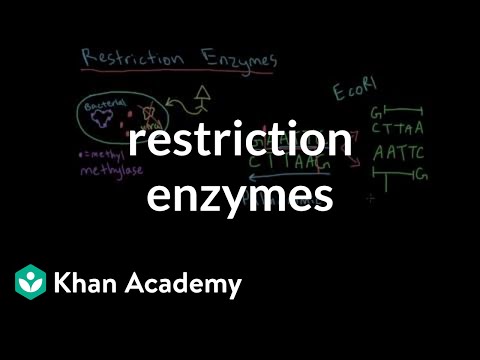
Now, let’s get into how these little guys work. Each restriction enzyme recognizes a unique sequence of nucleotides—think of nucleotides as the letters of the DNA alphabet. When it finds its target sequence, it cuts the DNA at that site. There are hundreds of different restriction enzymes out there, each with its own “favorite” sequence to cut. For instance:
- EcoRI cuts at GAATTC.
- BamHI looks for GGATCC.
- PstI snips at CTGCAG.
See how each enzyme has its own address? That specificity is what makes them so valuable.
Using restriction enzymes is like playing Lego. You can cut pieces and stick them together however you want! For example, if you wanted to study a gene that helps plants grow taller, you could extract it from one plant and insert it into another using these enzymes.
This process often involves creating something called recombinant DNA. It’s basically a mix-and-match approach where scientists combine DNA from different sources to see how they work together or even produce new traits! How exciting is that?
And here’s something else cool: when restriction enzymes cut DNA, they leave behind certain ends—these are called sticky ends. They can easily bond with another piece of DNA that has complementary sticky ends. This feature helps in joining different strands together more effectively.
But it doesn’t just stop there; restriction enzymes are also incredibly useful in cloning and genetic engineering. They’re the backbone for techniques like polymerase chain reaction (PCR), which can amplify tiny amounts of DNA into something much bigger—like turning a whisper into a shout!
However, it gets even cooler when we think about safety and ethics too, right? Scientists need to be super careful when using these tools because manipulating genes can lead to unintended consequences. Imagine trying to fix one thing but accidentally changing another—it’s like trying to fix a leaky faucet but ending up with water everywhere!
In summary, restriction enzymes are invaluable tools in molecular biology research because they allow scientists to cut and paste genes with precision. Think about all the amazing things we can learn or create thanks to these tiny molecular scissors—it’s like unlocking hidden secrets within nature! So next time someone mentions genetics or biotechnology, remember those quirky little enzymes doing some serious heavy lifting behind the scenes!
Natural Sources of Restriction Enzymes: Insights from Molecular Biology
So, let’s chat about **restriction enzymes**. These little molecular machines are like the scissors of the DNA world. They come from bacteria, where they serve a pretty impressive purpose. Basically, they help bacteria defend themselves against viral infections by cutting up the DNA of invading viruses. Think of them as nature’s defense squad!
When we talk about **natural sources** of these enzymes, we’re usually looking at different species of bacteria. Each kind produces its own unique set of restriction enzymes. The cool thing is that these enzymes are incredibly specific; they only cut DNA at particular sequences known as **restriction sites**. It’s like having a key that fits only one lock!
Now, let’s break down some important points about restriction enzymes:
- Specificity: Each restriction enzyme targets a specific sequence of nucleotides.
- Types: There are three main types—Type I, Type II, and Type III—each with different characteristics and cutting mechanisms.
- Applications: Scientists use these enzymes for cloning, gene editing, and various genetic engineering tasks.
- Discovery: The first restriction enzyme was discovered in the early 1970s in E. coli.
Let’s get into those types a bit more.
– **Type I**: These guys are pretty complex. They don’t just cut DNA; they also modify it and require ATP to function. So they’re like the overachievers who do a bit more than necessary.
– **Type II**: This is where things get interesting for us in the lab! Type II enzymes do their cutting right at their recognition site without needing ATP—a small detail that makes them super practical for research.
– **Type III**: Similar to type I but simpler to work with; they cut away from their recognition site.
You might be wondering how scientists exploit these natural tools. For example, when you’re looking to insert a gene into a plasmid (which is like a tiny circle of DNA), you need to cut both the plasmid and your gene using the same restriction enzyme so they fit together perfectly—it’s all about creating compatible ends!
I remember when I first tried to use restriction enzymes during my lab days; it felt like playing with LEGO blocks! You have this precise control over what you’ll create next—like building your own version of life on a tiny scale.
But it’s not just about cutting DNA randomly; it requires careful planning and understanding of each enzyme’s properties—like knowing which ones will bind well together (you don’t want mismatched pieces!).
In summary, restriction enzymes from bacterial sources play an essential role in molecular biology. Their ability to precisely cut DNA opens up countless possibilities in research and biotechnology. So next time you hear about these tiny molecular scissors, think BIG about how they’re shaping our understanding of genetics!
The Essential Role of Enzymes in Natural Processes: Unveiling Their Impact on Ecosystems and Biological Functions
So, let’s chat about enzymes. You might not think about them a lot, but they’re these tiny powerhouses that really keep life ticking. Imagine your car engine without oil—things wouldn’t run smoothly, right? That’s kinda the deal with enzymes in natural processes.
What exactly are enzymes? Well, they’re proteins that act like super efficient catalysts. Basically, they speed up chemical reactions without being used up in the process. If you think of life as a big cooking show, then enzymes are the chefs making sure everything gets done on time and without burning anything!
They play a crucial role in ecosystems too. For instance, in soil, there are enzymes breaking down organic matter. This breakdown process is essential for nutrient cycling—turning dead plants and animals back into usable nutrients for new life to thrive. Can you imagine a world filled with decay and no recycling happening? Yikes!
Now, here’s where it gets really interesting: enzymes also help organisms interact with their environment. Think about how plants use sunlight to make food through photosynthesis. Enzymes facilitate those reactions! Without them, plants wouldn’t be able to convert sunlight into energy efficiently. That means no plants equals no oxygen for us humans and other critters to breathe.
Another cool thing is how enzymes can help in digestion. You ever feel sluggish after a heavy meal? That’s because your body is working hard to break down all that food using various digestive enzymes. They tackle proteins, fats, and sugars so we can absorb those nutrients we need to function well.
But it doesn’t end there! There’s this whole fascinating world of restriction enzymes too. These little guys are particularly important in genetic engineering and biotechnology research since they cut DNA at specific sites. Think of them as the scissors of molecular biology! Researchers use these sites to splice genes together or modify them for different purposes—like creating crops that can resist pests or even programming bacteria to produce medicines.
Here’s something kind of emotional—a lot of our breakthroughs in medicine have stemmed from understanding how these enzymes work at a molecular level. This has led to cures for diseases that once seemed unbeatable! It’s pretty powerful when you realize how something so tiny can bring about such significant changes.
To wrap it up, here are a few key points on why enzymes matter so much:
- Catalysts: They speed up vital chemical reactions.
- Nutrient Cycling: Break down organic matter to keep ecosystems healthy.
- Energy Conversion: Crucial for processes like photosynthesis.
- Digestion: Help us break down food efficiently.
- Genetic Engineering: Used in cutting DNA for scientific advancements.
So yeah, next time you hear about enzymes or see one mentioned—and trust me, they’re everywhere—remember how essential they are behind the scenes keeping life running smoothly!
You know what’s amazing? Nature has this way of giving us tools that are just right for the job. One of those tools—like, seriously cool—is restriction enzymes. These little guys are a vital part of how scientists mess around with DNA, almost like having a pair of scissors that can cut at specific points. Imagine you’re crafting a scrapbook, and you only want to trim the corners in just the right places; that’s basically what these enzymes do in the world of genetics.
So here’s the deal: restriction enzymes recognize specific sequences in DNA and snip them right at those sites. It’s like they have their favorite words or phrases in the genetic alphabet and only cut when they see them pop up. This ability allows researchers to splice different bits of DNA together, creating new combinations. Like, think about it—you could mix genes from different organisms to study traits or even create drugs that help treat diseases.
I remember reading about this scientist who, while working on genetic engineering, used these enzymes to create a strain of bacteria that could digest oil spills. How incredible is that? Nature’s tools helping to clean our messes! This stuff makes you realize just how interconnected everything is and how cleverly evolution has provided solutions we can leverage today.
But it’s not just about cutting and pasting; these enzymes are also critical for cloning and genetic modification. When scientists want to clone an organism or simply learn more about its genetics, they rely on restriction enzyme sites as landmarks. They find their way through the complex maze of DNA with these sites lighting up their path.
Of course, with great power comes great responsibility—or maybe some ethical concerns. Manipulating DNA brings its own set of questions about safety and morality. You’ve got scientists pushing boundaries while others caution us not to play God too much. It makes for some really deep conversations over coffee!
At the end of the day, it’s all about curiosity. Those small sequences where restriction enzymes work their magic open doors to countless possibilities in science, technology, and even medicine. So next time you hear someone mention restriction enzymes—you might wanna think of them as nature’s handy little tools!