So, picture this: it’s a blazing hot summer day, and you’re trying to stay cool. You know the feeling, right? You’re sweating buckets and just wishing there was some way to turn down that sun.
Well, here’s the wild part: while you’re sweating it out, that same sun is sending tons of energy our way—like enough to power whole cities! Crazy, huh?
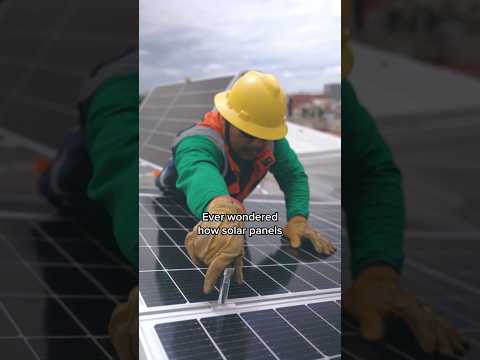
That’s where rooftop solar systems come in. They’re kind of like little superheroes on your roof, soaking up all that sunshine and turning it into electricity. And honestly, who doesn’t want to save some bucks on their electricity bill while helping the planet too?
Let’s explore how these systems work and why they might just be the coolest thing since sliced bread.
Exploring the Scientific Drawbacks of Rooftop Solar Panels: A Critical Analysis
So, you’re curious about the downsides of rooftop solar panels? Well, let’s break it down together. Solar power is pretty cool, right? But it comes with its own set of challenges and drawbacks. Here are a few things to consider:
1. Cost Factors: First off, the initial investment can be pretty steep. Yeah, installing rooftop solar panels is not cheap. You have the cost of the panels themselves, installation fees, and sometimes unexpected expenses like permits or upgrades to your home’s electrical system. This can leave a dent in your wallet.
2. Space Limitations: Not every roof is created equal! Some roofs just don’t have the right orientation or space for solar panels to be effective. If you live in a shady area or have big trees nearby, you might end up with less sunlight hitting your panels than you hoped for.
3. Energy Efficiency: Believe it or not, even on sunny days, solar panels won’t convert all that light into usable energy. They typically operate around 15-20% efficiency. So that means you’re losing quite a bit of potential energy right there!
4. Weather Dependency: Weather plays a huge role too! Cloudy days and rainy weather can seriously cut down on how much energy your panels generate. Unfortunately, you can’t control Mother Nature—so some days you might be relying on traditional power sources more than you’d like.
5. Maintenance Needs: Give or take a few years and your solar panels might need some cleaning! Dust, debris, and bird droppings can decrease their effectiveness over time. Sure, they’re generally low-maintenance but still require some attention every now and then.
6. Environmental Impact of Production: While using solar power is cleaner than fossil fuels, there’s still an environmental cost to making those shiny panels! The manufacturing process involves materials that can be harmful if not managed properly.
So yeah, while rooftop solar systems have a lot to offer in terms of sustainability and energy savings in the long run—there are definitely some trade-offs that come into play when considering them for your home or business. You know what I mean? It’s all about weighing those pros against the cons before taking the plunge!
Harnessing Solar Energy: Exploring Humanity’s Potential to Utilize the Sun’s Power in Scientific Innovation
So, let’s talk about solar energy. Seriously, it’s one of the coolest things humanity has figured out. You know how the sun shines every day? Well, we’ve been getting pretty smart about using that sunlight to power our lives. It’s like tapping into a gigantic battery in the sky!
First off, when we harness solar energy, we’re mainly talking about two types: photovoltaic (PV) systems and solar thermal systems. PV systems convert sunlight directly into electricity using solar panels—those shiny blue or black rectangles you see on rooftops everywhere. Solar thermal systems, on the other hand, focus on using that heat from the sun to warm up water or air. Both methods have their perks.
Just think about your neighbor who installed those solar panels last summer. They probably lowered their electricity bills big time! That’s what happens when you generate your own power from sunshine. And it’s not just a way to save money; it also means less reliance on fossil fuels, which is a win for the planet.
Now, let’s break down some key benefits of harnessing solar energy:
- Renewable resource: The sun isn’t going anywhere! It’ll keep shining for billions of years.
- Environmental impact: Using solar power cuts down greenhouse gas emissions. Less pollution means cleaner air.
- Energy independence: Countries can reduce their reliance on imported fuels by generating their own electricity.
- Job creation: The solar industry creates jobs in manufacturing, installation, and maintenance.
You might be asking yourself how does all this work? When sunlight hits a PV panel, it excites electrons in the material and creates an electric current. This process is called the photovoltaic effect. The cool part is that once these panels are installed, they generate electricity silently and without any emissions.
And hey, rooftop solar systems aren’t just for homeowners. Businesses are jumping in too! Big warehouses and shopping centers are covering their roofs with solar panels to save money and promote sustainability. Imagine walking into a store powered by the sun—it feels awesome knowing your purchases are helping out Mother Earth!
But there’s more to think about than just installing some panels on roofs. The technology is evolving fast! We now have things like bifacial panels, which can absorb light from both sides for even more efficiency—and new battery storage solutions that keep all that lovely energy for use at night or during cloudy days.
Of course, there are challenges too. Not every rooftop gets ideal sunlight due to shade from trees or nearby buildings. Also, sometimes people worry upfront costs—you know how investments can feel daunting? But often there are rebates and incentives available that make it way easier to get started.
In short—you know—harnessing solar energy is not only smart but essential for our future! It’s innovative and practical at the same time; turning sunshine into usable power is like magic but based on solid science! People around the world are embracing this technology more each year—and frankly? The potential seems endless as we figure out how best to use our brightest star to light up our lives sustainably.
Exploring the Science and Technology Behind Solar Energy Harnessing
So, let’s talk about solar energy. You know, that bright ball of fire in the sky that makes our days warm and sunny? Yeah, it turns out we can harness its power and turn it into electricity! This whole process is pretty cool and involves some neat science and technology.
First off, the main players in this game are solar panels. You might have seen them on roofs or even in large fields. These panels are made up of photovoltaic (PV) cells, which are like tiny little energy factories. What happens is, when sunlight hits these PV cells, they absorb the light. This energy excites electrons within the cells. Think of it like a bunch of kids getting super hyped at a concert—once they’re excited enough, they start moving around, creating an electric current.
Now you might be asking yourself, “What’s the deal with these electrons?” Well, this movement converts light energy into electrical energy through something called the photovoltaic effect. It’s kind of magical if you think about it! So basically, sunlight hits those PV cells, gets absorbed, and boom! We’ve got electricity.
Next up is how we get that electricity to your home or maybe even back to the grid. Here comes another important part—the inverter. Once we generate direct current (DC) electricity from those panels, we need to convert it into alternating current (AC), which is what powers most stuff in our homes. The inverter is like a translator between two languages—DC to AC! Pretty handy, right?
But wait—there’s more! This system also includes batteries for storing energy. Picture this: during a sunny day when you’ve got plenty of power generation going on but don’t need it all right away—you can store that excess in batteries. Then at night or on cloudy days when the sun isn’t shining as bright—voilà—you can pull from your battery stash instead of relying directly on solar panels.
You may wonder: “How efficient are these systems?” That depends on a few things. Typically, solar panels convert about 15-20% of sunlight into usable electricity. Newer technologies aim for even higher efficiency but remember—it’s constantly being improved upon!
And let’s not forget about where you put these panels—your rooftop is usually perfect for installation since it gets maximum sunlight exposure without too much obstruction from trees or nearby buildings. That’s why so many people are diving into rooftop solar systems!
You probably saw some buzz about solar energy being good for the environment too—and that’s totally true! By using solar power instead of fossil fuels for our energy needs, we help reduce greenhouse gas emissions and combat climate change.
In summary:
- Solar panels: Made up of photovoltaic cells that convert sunlight to electricity.
- The photovoltaic effect: Sunlight excites electrons leading to electric current.
- The inverter: Converts DC from solar panels to AC for use in homes.
- Batteries: Store excess energy for later use.
- Efficiency: Usually around 15-20%, but always improving!
So yeah—a lot goes into capturing all that sunshine effectively and turning it into something useful for us people living here on Earth. It’s amazing how something so simple as sunlight can be transformed into clean energy thanks to science and technology working hand in hand!
So, let’s chat about solar power. It’s become quite a buzzword, hasn’t it? I mean, you can hardly scroll through social media without bumping into someone gushing about their new rooftop solar panels! But there’s something really cool and scientific behind all that sunshine turning into electricity.
Picture this: a sunny day, and you’re chilling on your porch with a glass of lemonade. Yup, that same sun pouring down is doing some serious work up on your roof. Those solar panels are like little energy factories, converting sunlight directly into electricity. They use something called photovoltaic cells which essentially catch the sun’s rays and turn them into a flow of electricity. It’s wild how just a few crucial materials can create such a powerful reaction.
You know, thinking back to my childhood, I remember running around outside on bright days, dreaming of flying with the clouds or being astronauts harnessing the sun’s power for our spaceships. It’s funny how now it feels like we are kind of doing that—just here on Earth!
But wait – it’s not as simple as slapping some panels up there and calling it a day. There’s actual science involved! The angle of your roof matters; if it’s too steep or not facing the right way, those panels aren’t gonna catch as much sunlight as they could. And then there’s stuff like shading from trees or nearby buildings that can totally throw off your energy game.
Plus, there’s storage to think about. You know how sometimes you need to save things for later? Well, when your panels generate more electricity than you use during the day—like when you’re at work—they gotta store that extra energy for evening time when you’re home and watching Netflix in the dark! That’s where batteries come in handy: they store energy like that lemonade in your fridge for later sips on hot days.
The whole thing feels super empowering (pun intended), doesn’t it? It’s not just about saving money on bills but also about contributing to a greener planet. Imagine if everyone hopped aboard this solar train—less pollution and more clean air to breathe.
Anyway, whether it’s through big solar farms or your neighbor’s cute rooftop system glistening in the sun, harnessing solar power is all about making good use of what nature gives us every single day. And let me tell you – if little bits of sunshine can light up our homes and reduce our carbon footprints? That’s something worth cheering for!