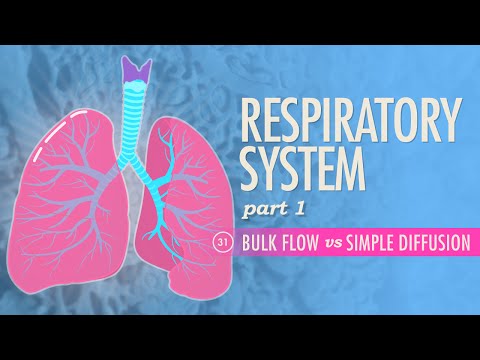
You know that feeling when you take a deep breath and it just hits different? Like when you step outside after a rain, and everything feels fresh and new? That’s your respiratory system working its magic.
But—here’s the kicker—not everything is sunshine and rainbows in there. Your lungs can throw a tantrum sometimes, right? It’s like they’re having a bad day, kinda like when you stub your toe or spill coffee everywhere.
Think about it: how often do we take our breathing for granted? We don’t really pay much attention until something goes sideways, like when you’re huffing and puffing after running up the stairs.
Anyway, let’s peel back the layers on this whole respiratory system thing. What happens when it’s not functioning like it should? That’s where pathophysiology comes in—a fancy word for understanding all the ways our lungs can misbehave. So stick around; we’re about to get into the nitty-gritty of what keeps us breathing easy (or not!).
Lung Microbiome: Uncovering New Insights into the Pathogenesis of Respiratory Diseases
The lung microbiome is like a hidden world, living right inside your lungs. It’s made up of trillions of tiny organisms, mostly bacteria, that play a huge role in how our respiratory system works. You might think of your lungs as just air passages, but they’re actually teeming with life!
So, what exactly is the lung microbiome? Well, it’s basically the community of microorganisms that inhabit our lungs. Just like you have gut bacteria that help digest food and protect you from illness, the lung microbiome helps keep your lungs healthy and functioning properly. This balance is super important because if there’s a disruption—like an overgrowth of certain bacteria or a lack of diversity—you could end up with respiratory diseases.
Let’s break down why this matters:
- Immune Response: The microbes in your lungs can influence how your immune system reacts to infections. A healthy microbiome helps train your immune cells to recognize harmful pathogens while ignoring harmless ones.
- Disease Development: Imbalances in the lung microbiome have been linked to conditions like asthma, chronic obstructive pulmonary disease (COPD), and cystic fibrosis. This means that understanding these little guys could lead us to better treatments.
- Environmental Impact: Things like pollution or smoking can change who lives in your lungs’ ecosystem. For instance, people living in polluted areas may have a different set of microbes than those who don’t.
Thinking back to my school days, I remember learning about ecosystems in nature—how certain plants and animals depend on each other to thrive. That’s kind of like what happens in our lungs! If one species starts taking over or there are too few species around, chaos ensues.
Researchers are now digging deeper into this area, studying how therapies might manipulate the lung microbiome for better health outcomes. For example, using probiotics or specially designed inhalers could help reintroduce beneficial microbes into the lungs. Pretty wild concept when you think about it!
Some recent studies even suggest that certain microbial profiles could serve as biomarkers for predicting respiratory diseases before symptoms appear. Imagine being able to know you’re at risk just by analyzing what’s hanging out in your lungs!
In conclusion (oops!), I mean just wrapping this up: the lung microbiome is more than just microbes; it’s a key player in our overall respiratory health. As scientists keep opening new doors into this field, we’re likely to discover even more connections between these tiny organisms and major health outcomes we care about—like breathing easy and staying well!
Understanding the Human Respiratory System: A Comprehensive Guide for Class 7 Science Students
The human respiratory system is, like, totally essential for keeping us alive. You breathe in oxygen from the air and breathe out carbon dioxide, a gas your body doesn’t need. So, let’s break this down into what makes it all work!
Parts of the Respiratory System
Your respiratory system has several key parts:
- Nose and Nasal Cavity: This is where it all starts. The nose filters dust and warms up the air you breathe.
- Pharynx: That’s just a fancy word for throat! It’s a passage that leads to the next parts.
- Larynx: Also known as the voice box. It helps you speak and also directs air to your lungs.
- Trachea: This is the windpipe. It connects your larynx to your lungs, kind of like a highway for air.
- Bronchi: The trachea branches into two bronchi (one for each lung), leading deeper into them.
- Lungs: These are the main organs where gas exchange happens. They’re like sponges that soak up oxygen!
- Alveoli: Tiny air sacs in your lungs where oxygen goes into your blood and carbon dioxide gets out.
How Breathing Works
You take a breath by inhaling through your nose or mouth. Your diaphragm—this cool muscle below your lungs—contracts and pulls down, creating space for air in your chest cavity. It’s kind of like when you stretch out a balloon before blowing it up! When you exhale, the diaphragm relaxes, pushing air out.
The Process of Gas Exchange
This part is super interesting! When you inhale, those tiny alveoli fill up with fresh oxygen. Oxygen then passes into the blood through tiny blood vessels called capillaries. At the same time, carbon dioxide moves from the blood back into those alveoli to be exhaled. This process keeps our bodies balanced with fresh oxygen while getting rid of waste gases!
The Importance of Healthy Lungs
Your lungs need to be healthy to do their job well. Smoking or breathing in pollutants can harm them significantly! If someone has asthma or allergies, they may have trouble breathing because their airways get inflamed or narrowed. You know how it feels when you catch a cold? Imagine that but happening regularly—it can be tough!
Your body relies on this whole respiratory process every minute of every day without even thinking about it! It’s pretty amazing how everything works together so smoothly—like an orchestra playing in harmony.
If we don’t take care of our lungs by avoiding smoke and exercising regularly (which helps keep them strong), we can run into some serious health issues later on—like chronic bronchitis or even emphysema!
The human respiratory system shows us just how important it is to maintain good habits so we can keep enjoying those big breaths of fresh air throughout our lives!
Comprehensive Guide to the Respiratory System: Parts and Functions PDF for Science Enthusiasts
The respiratory system is like a superhero team working together to keep you alive. It’s got multiple parts, each playing a critical role, so let’s break it down.
The Nose and Mouth: Think of these as the entry points for air. When you breathe in, air enters through your nose or mouth. The nose has tiny hairs and mucus to trap dust and other stuff to keep your lungs clean. It’s kind of incredible how something so small can do such an important job, right?
Trachea: Also known as the windpipe, this tube connects your throat to your lungs. It branches off into smaller tubes called bronchi. Imagine it like the main road that leads you into a big city.
Bronchi and Bronchioles: These are the smaller branches from the trachea leading into each lung. They get tinier and tinier, just like branches on a tree. Eventually, they end up at tiny air sacs called alveoli.
Alveoli: These little sacs are where the magic happens! They’re super tiny but packed full of capillaries (tiny blood vessels). This is where **oxygen moves into your blood**, and **carbon dioxide moves out** to be exhaled. Isn’t it amazing that they’re so small yet play such a huge role?
Lungs: You’ve got two of these big guys sitting snugly in your chest cavity. They expand when you breathe in and contract when you breathe out—like balloons! Each lung houses millions of alveoli, making them incredibly efficient at exchanging gases.
The Diaphragm: This muscle sits below your lungs and plays a key role in breathing. When you inhale, it contracts and pulls down, creating more space in your chest for air. You can think of it as a pump helping to fill those balloons!
Now let’s talk about how all this ties into health and pathophysiology—basically how things can go wrong with this system.
Breathing isn’t just about moving oxygen around; it’s also about rhythm—how we inhale deeply when we’re relaxed or take quick breaths when we’re exerting ourselves.
You ever notice how you tend to hold your breath when you’re nervous? That’s your body reacting to emotions! It shows just how connected everything is—from our feelings to our physiological responses.
So there you have it! The respiratory system is quite complex but remarkably beautiful in its design and function—like an orchestra playing together seamlessly so we can live vibrant lives!
So, let’s chat about the respiratory system. You know, it’s that amazing network in our bodies that helps us breathe. It might seem pretty straightforward—inhale, exhale, right? But when things go awry, the complexities of how it all works can be mind-blowing.
I remember this one time I witnessed a family member struggle to catch their breath during an asthma attack. It was scary. Watching them try to inhale but feeling like they were suffocating was a real eye-opener for me. That moment made me realize just how crucial and delicate our respiratory system is.
Now, the thing is, the pathophysiology of the respiratory system involves way more than just lungs and airways. Basically, it’s about understanding how diseases or injuries mess with our breathing mechanics and gas exchange—like when you have asthma or COPD (chronic obstructive pulmonary disease). When you think about it, these conditions can really affect quality of life more than we often acknowledge.
For example, in asthma, inflammation leads to those well-known symptoms: wheezing and tightness in your chest. Your airways become sensitive and react strongly to triggers like dust or smoke. It’s kind of like being on high alert all the time—exhausting! And with COPD? Well, that’s a long-term struggle where airflow gets restricted because of damage to your lungs from smoking or pollution over time.
But there’s also an incredible resilience here! When we learn about respiratory pathophysiology, we can unlock ways to help ourselves and others manage these conditions better. Like understanding lung capacity can lead to strategies for breathing exercises that might help ease symptoms.
At the end of the day, staying aware of what happens inside us when something goes wrong with our breathing isn’t just for medical professionals; it’s important for everyone! Seriously, taking a moment to appreciate each breath you take is not only grounding but also helps us connect more deeply with our own health and those around us.
In this fast-paced world where we often forget to pause and think about our bodies’ amazing capabilities (and vulnerabilities), grasping even a bit of how respiratory health impacts overall wellbeing can be like opening a doorway into caring for ourselves better—and isn’t that something worth reflecting on?