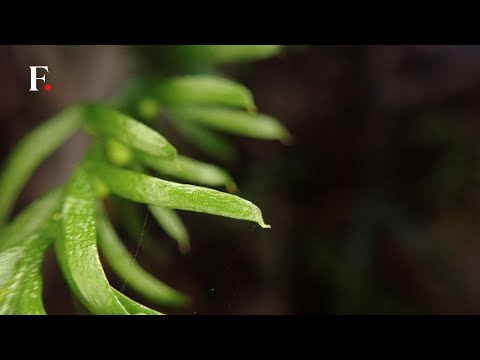
So, picture this: you’re hanging out with your buddies, and someone brings up the topic of genomes. Suddenly, there’s this awkward silence, and someone coughs. Genomes? Who cares, right? Well, hold on just a second!
Did you know that one of the largest genomes in the natural world belongs to a plant? Yup! It’s true! A tiny little flower called *Paris japonica* has a genome that’s about 50 times larger than ours. Mind-blowing, huh?
It’s wild to think about how these complex little codes work behind the scenes of life. They’re like secret recipes for every living thing on our planet. If you’ve ever wondered how things can get so complicated in nature, you’re not alone.
So let’s dive into this fascinating world where size matters—not just in animals but also in their genetic information. Buckle up!
The Largest Genome in the World: Unraveling the Mysteries of Genetic Complexity in Science
When we think of genomes, we generally picture the usual suspects: humans, mice, or maybe even some plants. But did you know there’s a whole universe of genomes out there? One of the biggest players in this arena is the mighty Paris japonica, a rare type of plant.
This plant boasts an astounding genome size of about 150 billion base pairs! For perspective, that’s over 50 times larger than the human genome. You might be scratching your head thinking, “How can something so small have such a massive genetic blueprint?” Well, it’s all about what makes up a genome. In simpler terms, genomes are like intricate instruction manuals for building and maintaining an organism. They include everything from how to grow leaves to how to develop flowers.
But here’s where it gets really interesting: not all of these base pairs actually code for proteins. In fact, most of that vast genetic material is non-coding DNA, often referred to as “junk” DNA—but that’s actually kind of misleading! Some of it plays roles in regulating genes or even just sits there as remnants from ancient ancestors.
So why do plants like Paris japonica have such huge genomes? It turns out they’ve undergone multiple rounds of polyploidy, which is when an organism has more than two sets of chromosomes. Think about it like this: if you ever tried to cram all your clothes into one suitcase and then decided to just get another suitcase instead—now you’ve got all this extra space! This strategy allows more genetic material to stick around, which can be helpful for adaptation and survival.
Just imagine wandering through a lush forest full of plants with these colossal genomes. You could say they’re like nature’s very own “data hoarders.” But what does this mean for science? Well, studying these massive genomes can provide insights into evolution and plant biology. It helps scientists understand how organisms adapt to their environments over time.
And while Paris japonica takes the crown for terrestrial organisms, in the ocean world lies another giant: the bacteria called *Sorangium cellulosum*, which also has a mind-bogglingly large genome. Organisms like these remind us that complexity comes in many shapes and sizes.
To sum up:
- The largest known genome belongs to Paris japonica, with around 150 billion base pairs.
- This genome size far surpasses that of humans.
- Much of its DNA is non-coding but still plays crucial roles.
- The phenomenon known as polyploidy contributes to large genomes.
- Bacteria like *Sorangium cellulosum* also have impressively large genomes.
In essence, delving into the world of massive genomes opens up a treasure trove of knowledge about life itself. Whether it’s understanding ancient history or looking ahead at future adaptations in an ever-changing environment, those giant blueprints hold secrets waiting to be uncovered!
Exploring the Enigma: The Significance of the Lungfish Genome’s Size in Evolutionary Biology
The lungfish is like this fascinating fish with a quirky twist—it can breathe air! But wait, there’s more. This creature also holds the title for having one of the largest genomes in the natural world. Yeah, it’s true! So, what’s the big deal about its genome size? Let’s break it down.
First off, what even is a genome? In simple terms, it’s basically all the genetic material in an organism. Think of it like a giant blueprint for building everything about that creature. Now, lungfish have genomes that can be up to **40 times larger than ours**. Just imagine that! You might wonder why this matters in evolutionary biology.
1. Evolutionary History: The size of an organism’s genome can tell us a lot about its evolutionary journey. So lungfish, for example, are considered some of the closest living relatives to tetrapods—the ancestors of mammals, birds, and reptiles. Their huge genome might contain lots of junk DNA (non-coding regions), but **that junk** can sometimes hold clues about how these creatures adapted to life on land.
2. Developmental Processes: With such an extensive genome, lungfish have unique traits that help them survive in different environments. When you look at their genes closely, they show adaptations like developing lungs and the ability to go into a state similar to hibernation during droughts. It’s kind of wild because these adaptations could offer insight into how our own ancestors made their move from water to land.
3. Genetic Diversity: Larger genomes can potentially mean greater genetic diversity within species. That diversity is super important for evolution because it allows populations to adapt better over time as environments change. So lungfish might have all kinds of variations hiding in their massive genetic data just waiting to be discovered!
And speaking of discoveries—here’s a little anecdote: I remember my first visit to an aquarium where they had a lungfish on display, sitting there all serene with its little gills and lungs doing their thing! I kept staring at it and wondering how something so simple could have such complex genetics packed inside.
4. Research Opportunities: Scientists are excited about studying the lungfish genome because it’s like opening a living time capsule! By comparing its DNA with that of other animals, we can better understand key evolutionary events that shaped life on Earth.
In short, exploring the lungfish genome isn’t just about looking at some numbers; it opens up this whole world filled with questions about evolution and survival strategies throughout history. It shows us just how intricate life really is—and how something as unusual as a fish breathing air might just offer us deeper insights into our own existence on this planet.
So yeah, next time you think about evolution or even taking a breath while swimming underwater—thank a lungfish for its remarkable journey through time!
Exploring the Uniqueness of the Axolotl Genome: Insights into Size and Genetic Complexity
Ever heard of the axolotl? It’s not just a quirky little critter, but also one of the most amazing organisms on Earth when it comes to genetics. Seriously, these aquatic salamanders have a genome that’s larger than that of humans! But what does all this mean for us and for science?
The axolotl genome is notable not just for its size but also for its genetic complexity. With around 32 billion base pairs, it’s about ten times larger than our own. Can you believe that? This massive size isn’t just a random occurrence; it’s packed with information that helps the axolotls do some pretty extraordinary things!
- Regeneration: One of the coolest features of axolotls is their ability to regenerate lost limbs, heart tissue, and even parts of their brain. They can grow back entire legs! The large genome might hold keys to this remarkable ability. Specific genes allow cells to go back to a more primitive state when injured.
- Gene Duplication: One reason for this gigantic genome is gene duplication. In simple terms, sometimes genes get copied in the genome over time. Axolotls have experienced this a lot, which means they have multiple versions of certain genes that could be related to their unique abilities.
- Diversity in Traits: The genetic diversity in axolotls allows them to display an array of colors and patterns due to variations in pigmentation genes. These traits can be studied to understand more about genetic expression and variation.
You might be wondering how scientists actually study such a complex genome. Well, they use advanced sequencing techniques that break down the DNA into smaller pieces and then reconstruct it like an elaborate jigsaw puzzle! It takes time and effort, but every piece offers clues into how these creatures function so uniquely.
A little emotional note here: Imagine seeing your pet dog or cat lose a limb—it’s heartbreaking! Now picture if they could simply grow it back like an axolotl does. That thought really drives home why studying these creatures matters so much!
Sifting through the axolotl’s giant genome opens doors for understanding evolution and regenerative medicine too! If we can figure out how they do what they do best, we might just find new ways to help heal human injuries or diseases.
The uniqueness of the axolotl genome serves as both a scientific treasure trove and an inspiration. Every detail adds up; each section tells us something profound about life itself. So when you see an axolotl next time, think about all the incredible secrets hidden within its DNA—it’s like nature’s own superhero! And honestly? That’s pretty fantastic.
You know, when we think about genomes, it’s easy to picture tiny little strands of DNA in our cells. But have you ever thought about what it would be like to carry around the largest genome in the natural world? I mean, that’s a whole different ball game! It’s like comparing a tiny house to a massive mansion.
So, let’s zoom in on the champion here—the mighty fern known as “Ophioglossum reticulatum.” Seriously, this plant holds the title for having the largest genome of all. Its DNA contains around 120 billion base pairs! To wrap your head around that, consider that humans have about 3 billion base pairs. That means Ophioglossum has over 40 times more DNA than we do. Kind of mind-blowing, right?
I remember visiting a botanical garden once and coming across this enormous fern. Standing next to it made me feel so small; it was like nature’s way of showing off its complexity and beauty. When you realize that such a simple-looking plant carries this vast amount of genetic information, it makes you appreciate how intricate life can really be.
But here’s the thing: it’s not just about size. The structure and organization of these massive genomes can be super complicated. Many plants have a lot of redundant DNA—sequences that don’t really seem to do anything specific but might provide some evolutionary benefits in certain situations. You could say it’s nature’s way of playing with possibilities.
It also raises some cool questions about what this means for evolution and adaptation. With all that extra genetic material floating around, these plants might have a greater potential for developing new traits or adjusting to changes in their environment. Pretty neat idea when you think about climate change or habitat loss!
So yeah, while we’re busy marveling over how advanced and sophisticated our human genome is, let’s not forget about our green friends out there boasting those giant genomes! They remind us how diverse life is on this planet and how many surprises still await us in understanding nature’s blueprint. This whole topic really gets you thinking about connections between all living things and how they adapt in ways we can hardly imagine!