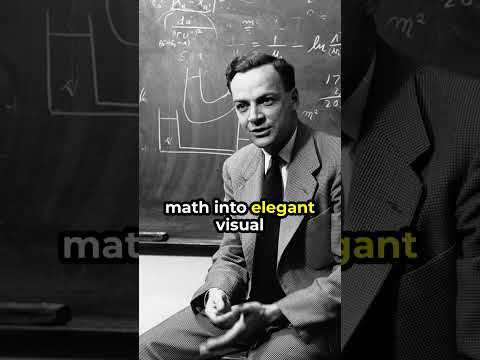
You know, Richard Feynman once cracked a joke about how he loved to learn things just for fun. Like, imagine being that curious! It’s kinda like a kid who just can’t stop asking “why?” And honestly, who wouldn’t want to channel that energy?
Feynman was this brilliant physicist but also a total goofball. He could talk about the complexities of the universe while making you chuckle. That’s talent right there!
His approach to science wasn’t all serious; it was playful. He believed curiosity wasn’t just important—it was essential! So what if you don’t have a PhD? You can still embrace that inner scientist, poking and prodding at the world around you.
In the “Richard Feynman Lectures on Science and Curiosity,” we’re diving into his wild universe of ideas. Expect some mind-boggling concepts wrapped in hilarious anecdotes and relatable moments. Get ready to rediscover that spark of curiosity—the same one that made you ask all those annoying questions as a kid!
Exploring Richard Feynman’s Insights on Curiosity in Science
Richard Feynman was more than just a brilliant physicist; he was a true champion of curiosity. You know, that feeling that pulls you to ask questions about everything around you. He believed that curiosity is at the heart of science, and it’s like the fuel for discovery.
Feynman often described science as more than just a collection of facts. He thought of it as a playful adventure where asking “why” leads to new insights and deeper understanding. You see, when he was a kid, he used to tinker with radios and try to figure out how they worked. That passion didn’t fade; it grew throughout his life!
One of the ways Feynman expressed his love for curiosity was through his lectures. He had this amazing ability to explain complex concepts in a way that felt relatable and engaging, just like chatting with a friend over coffee. He believed that anyone could enjoy science if they approached it with an open mind and an eagerness to learn.
Curiosity in Science isn’t just about gathering knowledge; it’s about questioning what we think we know. Feynman once said, “The first principle is that you must not fool yourself—and you are the easiest person to fool.” This means being open to new ideas but also being critical of our own beliefs.
Another important point he made was regarding failure in experiments. Let’s be honest: no one likes failing, right? But Feynman saw failure as a chance to learn something new! Each failed experiment brings us one step closer to understanding how the universe works.
He also emphasized the importance of sharing knowledge. When scientists share their findings without keeping secrets, everyone benefits! It creates this vibrant community where ideas can bounce around and grow into something even better.
So really, what can we take away from Feynman’s thoughts on curiosity? Here are some key points:
- Stay Curious: Always ask questions about the world around you.
- Embrace Failure: It’s just another step toward discovery.
- Cultivate Playfulness: Treat learning like an adventure.
- Share Knowledge: Collaboration can lead to breakthroughs.
In essence, Richard Feynman’s insights remind us that curiosity isn’t just for scientists—it’s for everyone who wants to explore and understand our world better! Whether you’re peering into the depths of space or simply wondering why the sky is blue, keep asking those questions! Who knows what amazing answers await?
Exploring Richard Feynman’s Insights on the Nature of Science and Scientific Inquiry
Richard Feynman was one of those rare scientists who could capture the essence of science in a way that felt relatable. He was not just a brilliant physicist; he had this amazing curiosity about everything, you know? His lectures and writings are filled with insights that help us appreciate the nature of science and inquiry in a way that’s simple yet profound.
One of Feynman’s core beliefs was the importance of curiosity. He often said, “You do not have to be a scientist to be curious.” This idea resonates. Think about it: when we were kids, everything seemed interesting! That sense of wonder is what drives scientific inquiry. Feynman thought curiosity is like fuel for discovery—it pushes you to ask questions and seek answers.
Then there’s his perspective on **how science works**. He famously stated that science isn’t just about collecting facts but about constructing models to explain phenomena. You see, it’s like having tools in your toolbox; if something doesn’t fit or work well, you need to adjust your model until it feels right. This ever-evolving nature makes it exciting because science is always open to being challenged and improved.
Another fascinating point he made is around **the process of experimentation**. Feynman emphasized that failure is an essential part of learning. When experiments don’t go as planned, it’s not the end; instead, it provides crucial information! It reminds me of when I tried baking bread for the first time—let’s just say a rock-solid loaf taught me more than I expected.
He also talked about the **role of imagination** in science. Seriously! Imagination isn’t just for artists or writers; it’s fundamental for scientists too. You need to envision how things might work before you can test them out in real life. It’s like being an explorer in uncharted territory—you have to dream up possibilities before venturing forth.
And let’s not forget his famous quote: “The first principle is that you must not fool yourself—and you are the easiest person to fool.” This really strikes at the heart of scientific honesty. Being able to critically evaluate your own ideas is tough but vital if you want your findings to be meaningful and reliable.
Throughout his lectures, Feynman often encouraged people not just to accept what they’re told but to dig deeper into their understanding. This idea inspires critical thinking. He believed everyone should engage with scientific concepts actively rather than passively absorbing information—kind of like asking “Why?” until you’re satisfied with the response.
In summary, Richard Feynman gave us valuable insights into scientific inquiry through his emphasis on curiosity, experimentation, imagination, and critical thinking. These ideas remind us that science isn’t just a collection of facts; it’s a dynamic process full of exploration and discovery! So if you’ve got questions or wonderings bubbling up inside you—embrace them! Just like Feynman would have wanted you too!
Assessing the Continued Relevance of Feynman Lectures in Modern Science Education
Richard Feynman, man, that guy was something else! He had this incredible gift of breaking down complex ideas into nuggets you could chew on without choking. His lectures, especially the “Feynman Lectures on Physics,” have been a staple for students and science enthusiasts since the 1960s. But you might be asking yourself if these old-school lectures still hold up today, right? Well, let’s dig in!
First off, what makes Feynman’s style so special? It’s all about curiosity and engagement. He didn’t just toss facts at you; he invited you to join him on a journey through the universe. The way he used anecdotes and real-world examples made physics seem relevant and alive. Seriously, it felt like sitting in on a conversation with a wise friend rather than struggling through a dry textbook.
Now let’s talk about how these lectures stack up against the modern educational landscape. One major strength is their focus on fundamental principles. In today’s world filled with advanced technology and rapid changes, having a solid grasp of basics is crucial. You know what they say: if you understand the roots, you can grow into anything!
Another biggie? Feynman’s knack for making connections across disciplines. He wasn’t just talking about physics in isolation; he linked it to chemistry, biology, and even philosophy sometimes! That interdisciplinary approach is super valuable in modern education where subjects are increasingly interconnected.
– Cultivating Critical Thinking: Feynman encouraged questioning everything—not just accepting what’s fed to you. This kind of reasoning is more important than ever as we face complex global issues.
– Using Analogies: His use of relatable analogies simplified tough concepts without dumbing them down. For instance, he once explained electrons like small beads bouncing around—simple yet effective!
However, that’s not to say that everything from his lectures translates perfectly into today’s tech-savvy classrooms or that they don’t have limitations. Like any classic work from the past, there are new discoveries and methodologies that have emerged since then.
For instance, technology has changed how we learn—think interactive simulations or engaging videos teaching quantum mechanics now instead of just chalkboard drawings! So while Feynman’s work is foundational, it doesn’t replace newer methods; instead, it’s like seasoning—adds flavor but doesn’t stand alone.
So where does this leave us? Well, integrating Feynman’s insights with modern techniques can create a powerful learning environment where curiosity thrives! His entertaining storytelling combined with today’s tech tools could help ignite passions for science like never before.
In short: yes, Richard Feynman’s lectures still resonate today because they foster curiosity, challenge traditional thinking, and provide invaluable insights into understanding our world—just like good ol’ classic rock still makes us want to dance! Embracing both his timeless wisdom and contemporary resources could lead to a richer understanding of science for everyone involved.
So, Richard Feynman, huh? This guy was something else! I mean, he was a true rockstar in the world of physics. But what strikes me most isn’t just his incredible intellect; it’s that insatiable curiosity he had. He approached science with this childlike wonder that’s so refreshing—like a little kid asking “Why?” about everything around him.
I remember the first time I stumbled upon his lectures. It was late at night, and I was pretty tired, but as I started listening, it felt like the universe was opening up right in front of me. He explained complex concepts in ways that were super relatable, almost like he was chatting with you over coffee. His enthusiasm for figuring out how the world works really sparked something inside me. You know that feeling when someone shares a passion and you just can’t help but get caught up in it? Yeah, it was kinda like that.
What’s amazing is how Feynman didn’t just stick to the facts; he would weave in stories from his life, making science feel alive. There’s this one part where he talks about playing bongo drums and how it reminded him of patterns in physics. It’s like everything is connected if you’re willing to look for it! That curious mindset is so vital—not just for scientists but for everyone! Like when you see kids exploring outside or mixing weird combinations of food together; they’re learning through trial and error.
Curiosity drives innovation too. Think about all the discoveries made by folks who dared to ask “What if?” It’s a reminder to all of us that questioning is part of understanding our world better. So, next time you find yourself pondering some random thought or an odd question about life or science—go down that rabbit hole! Embrace your inner Feynman and let your curiosity take you places. You never know what wonders might be waiting at the end of your exploration!