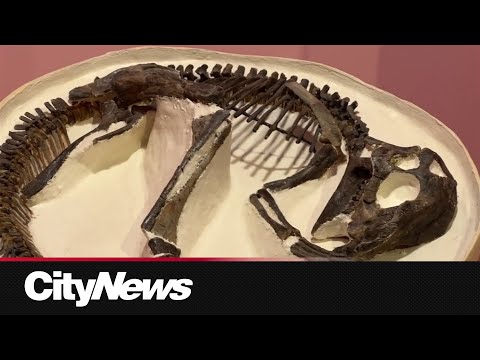
You know, when I was a kid, I thought dinosaurs were just giant lizards that hung out in the backyard. Turns out, I wasn’t too far off!
Imagine stumbling upon a place where these ancient behemoths come to life—not literally, of course (that would be terrifying!). The Tyrrell Museum of Palaeontology in Alberta is like stepping into a time machine.
With all those fossils and artifacts, it’s not just for dinosaur nerds—there’s something for everyone. Seriously!
From mind-blowing exhibits to interactive displays that make you feel like an actual paleontologist, this museum knows how to spark curiosity. So grab your explorer hat; we’re about to take a wild ride through the past!
Exploring the Unique Features of the Royal Tyrrell Museum: A Scientific Treasure Trove of Paleontology
So, if you ever find yourself wandering through Alberta, Canada, you might stumble upon the Royal Tyrrell Museum. It’s like a time capsule of the prehistoric world! Seriously, it’s a place where dinosaurs once roamed, and it’s dedicated entirely to paleontology—study of ancient life.
First off, let’s talk about what makes this museum special. It’s got one of the largest collections of dinosaur fossils in the world. We’re talking about over 130,000 specimens! Isn’t that mind-blowing? Each fossil has a story to tell—stories that span millions of years!
You know what really hits home? Walking past gigantic dinosaur skeletons. Can you imagine standing next to a Triceratops or T-Rex? You get this sense of awe washing over you. Like, these beings dominated the Earth long before any human stepped foot here. Mind-boggling!
The museum doesn’t just exhibit fossils. It dives deep into the science behind them. There’s a research facility on-site where scientists are constantly working on new findings. They’re like detectives piecing together clues from our planet’s history. So, if you’re interested in how paleontologists actually work, this is where it happens.
- Fossil Preparation Lab: You can see experts meticulously cleaning and preparing fossils for research and display.
- Paleo-Galleries: There are tons of interactive exhibits that explain how dinosaurs lived and interacted with their environment.
- Field Programs: The museum even organizes real digs where visitors can join paleontologists in searching for fossils out in the field!
The educational programs they offer are also noteworthy. From kids’ workshops to lectures by world-renowned scientists, there’s something for everyone interested in learning more about our Earth’s past.
A poignant moment I remember is this exhibition that featured life-sized reconstructions of various dinosaurs in their habitats. Looking at those art pieces gives you chills—you can almost hear them roaring through ancient landscapes! It sparks curiosity about how life adapted and thrived in conditions we can’t even imagine today.
The Royal Tyrrell Museum stands as a reminder of how dynamic our planet’s history is. You get to appreciate not just the cool bones but also what they mean for understanding evolution and extinction events through time.
This museum isn’t just about looking at old bones on display; it’s an adventure into understanding who we are as living beings now. It’s like connecting dots between our present and an astonishing past that shaped everything we know today.
So yeah, if you’re ever near Drumheller, take some time to explore this scientific treasure trove! Who knows what fascinating pieces of our Earth’s story you’ll uncover?
Exploring the Closure of Drumheller Dinosaur: Insights into Science, Conservation, and Heritage
Alright, let’s talk about the closing of the Drumheller Dinosaur, which most people link to the Tyrell Museum of Palaeontology. It’s a big deal, especially for science, conservation, and our heritage. Seriously, it feels like losing an old friend in a way.
The Royal Tyrrell Museum, known for its massive collection of dinosaur fossils, has been a major hub for paleontological research since it opened. You step inside, and you’re surrounded by these incredible remnants from millions of years ago. It makes you think about all those creatures that once roamed the Earth!
So what’s the deal with its closure? Well, closures often happen for various reasons – funding issues or even renovations. But the important part isn’t just that it closed; it’s why this museum matters so much to our understanding of science and conservation.
- Scientific Inquiry: The museum has been crucial for researchers. Fossils found in Drumheller have provided insights into how dinosaurs lived and evolved.
- Education: Not just scientists benefit; schools organize trips there! Students get to see real dinosaur bones and learn about Earth’s history hands-on.
- Conservation Efforts: Closing a facility like this can hinder efforts to preserve paleontological sites. Once they’re gone, who will ensure these treasures are protected?
You know, I remember visiting as a kid. The moment I saw a life-sized T-Rex skeleton looming over me was honestly surreal! That sense of connection to something prehistoric brought history alive in ways textbooks just can’t. Losing access to such experiences? That hits hard!
The closure also raises questions about heritage management. Communities around Drumheller appreciate their dinosaur past; it’s part of their identity! When cultural landmarks close down or are under threat, we need to consider what that means for local populations.
This isn’t just about fossils; it reflects on our relationship with history and nature too. Are we doing enough to protect not just the sites but also the knowledge that comes from them?
As we step into conversations about conservation and heritage, let’s remember: facilities like the Tyrrell Museum do more than display fossils—they inspire curiosity and engagement with science among all kinds of folks! So yeah, let’s hope whatever’s happening is temporary because losing this hub would mean losing a piece of our scientific exploration.
Exploring the Authenticity of Fossils at the Tyrrell Museum: A Scientific Investigation
The Tyrrell Museum of Palaeontology is like a treasure chest for those fascinated by the distant past. It’s located in Alberta, Canada, and houses an impressive collection of fossils that help scientists understand life on Earth millions of years ago. But how do we know these fossils are authentic? Well, exploring that question brings us into the exciting world of paleontology and fossil verification.
So, first off, the authenticity of fossils involves several steps. One common method is stratigraphic analysis. This means looking at where a fossil is found in the rock layers. Each layer tells a story about its age and environment. For example, if a dinosaur bone is discovered in rocks that are dated to be 70 million years old, you can be pretty sure it’s from the late Cretaceous period.
Another key aspect is radiometric dating. This sounds super technical, but it’s really just measuring the decay of radioactive elements inside rocks. By knowing how long it takes for these elements to break down, scientists can get a good idea of when those rocks—and their fossilized contents—formed. Got it?
Then there’s the cool forensic side—biomarker analysis. Fossils often have tiny traces left behind from minerals or organic materials that can tell us about what the organism once was. Think about finding remnants of plant material clinging to a dinosaur’s bone; those clues can indicate whether it was herbivorous or carnivorous.
Now here comes the interesting part: the physical examination. Paleontologists rely on their keen observational skills to look for signs of forgery or alteration. For instance, real fossils show weathering and wear from being buried over millions of years while fake ones might appear too pristine or oddly uniform.
It’s also essential to document everything thoroughly—from photographs to geolocation data. This helps establish authenticity through history and context. If there’s no solid record showing where and how a fossil was found, its credibility can be questioned.
You might wonder why this matters so much? Well, genuine fossils are crucial not just for scientific study but also for understanding our planet’s history and evolution as a whole—like pieces in a giant puzzle! Every legitimate fossil adds to our knowledge base about ancient ecosystems, climate changes, and biological diversity.
In short, with advanced techniques like stratigraphic analysis and radiometric dating alongside careful observation and documentation techniques used at places like the Tyrrell Museum, scientists work hard to make sure that when they study these ancient relics, they’re dealing with the real deal! So whenever you hear about discoveries from there—or anywhere else—there’s probably an entire team ensuring those findings are authentic beyond doubt!
You know, when I think about places that spark curiosity, the Tyrrell Museum of Palaeontology really stands out. I remember the first time I walked through those doors, my heart raced a bit. The huge dinosaur skeletons towering above felt almost alive—or maybe that was just my imagination running wild! Seriously, it’s a treasure trove of ancient history right there in Alberta.
The thing is, this museum isn’t just about looking at old bones. It’s like stepping into a time machine. You see fossils from creatures that roamed the Earth millions of years ago, and it makes you ponder big questions. What were they like? How did they survive? That feeling of awe and wonder really hits you.
I mean, think about it: palaeontology is all about piecing together clues from the past to understand how life has evolved. And here’s where it gets even cooler—it’s not just scientists who wander through those halls. Families, students, even folks just curious about life come together in this space. You can feel the excitement in the air when kids spot a T-rex or try to touch a real fossil—it’s contagious!
Plus, they offer hands-on exhibits and workshops that help you dig deeper into science (pun totally intended!). Learning becomes an adventure instead of just reading from textbooks or scrolling through screens—how awesome is that? In a world where we’re often glued to our devices, having a place to connect with nature and history feels refreshing.
But let’s face it: museums can sometimes feel a bit distant or formal. Not at Tyrrell’s! There’s an approachable vibe there that breaks down barriers—you don’t need to be some expert to enjoy it; you can just be curious and explore!
So yeah, if you’re ever near Drumheller, make sure to check out this gem. It’ll ignite your own scientific curiosity and remind you how amazing our planet’s history is! Just walking around those exhibits made me appreciate not only our past but also the mysteries yet to unfold in our future—seriously profound stuff!