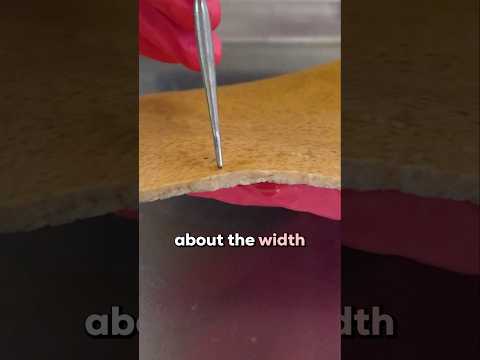
You know that moment when you accidentally get a paper cut, and you think, “Wow, I should really appreciate my skin more”? Seriously, it’s like our body’s superhero shield!
But skin is way more than just a protective barrier. It’s this intricate system that keeps us safe from all the stuff out there trying to mess with us.
So, picture this: scientists are making models of our skin to study how it works. It’s like they’re crafting little worlds that mimic the real deal. Isn’t that wild?
In the next bit, we’ll peel back the layers—pun intended—and explore what makes skin models so cool in science! You ready?
Exploring the Intr intricate Anatomy of Skin Models in Scientific Research
Sure! Let’s take a closer look at the fascinating world of skin models in scientific research. It’s pretty wild when you think about how important our skin is, right? So, let’s get into it!
The Basics of Skin Anatomy
Our skin is like a protective shield. It covers our bodies and helps keep everything inside safe. But there’s so much more to it! You’ve got several layers, each with its own unique job.
- epidermis: this is the outer layer. It’s mostly made up of cells called keratinocytes, which help keep moisture in and protect against germs.
- dermis: the middle layer is where all the action happens. This layer has blood vessels, nerves, and hair follicles, along with connective tissues.
- hypodermis: also known as subcutaneous tissue, this layer packs fat and helps anchor everything to our muscles and bones.
When researchers study these layers, they often need models that mimic human skin closely.
Why Use Skin Models?
You might be asking yourself why scientists bother with skin models instead of just using real human skin. Well, first off, using actual human subjects can be tricky due to ethical reasons. Plus, sometimes they just need a way to test things more freely without risking someone’s health.
Skin models can help investigate things like wound healing, skin diseases, or even how drugs affect the skin before going through all the rigorous testing on humans. It’s like laying the groundwork before moving on to bigger tests.
The Types of Skin Models
Now let’s talk about some different types of skin models used in research:
- 2D Cell Cultures: This involves growing skin cells on flat surfaces. It’s simple but doesn’t fully capture how cells behave in real life.
- 3D Skin Models: These are way cooler! They create more realistic environments by building structures that resemble actual skin layers using advanced techniques.
- Anatomically Correct Models: Some researchers even use bioengineered skins that closely resemble human anatomy. Crazy stuff!
These models allow scientists to observe things like how wounds heal or how different products might irritate your skin.
Anecdote Time!
I remember reading an article about a scientist who developed a 3D model for studying psoriasis—this painful skin condition where your immune system gets all confused and makes your cells multiply too fast. They tested various treatments on their model before moving to clinical trials and actually found something effective! It was such a breakthrough for helping people feel better.
Wrapping Up!
So here’s the deal: exploring the anatomy of **skin models** not only helps us grasp how our bodies work but also paves the way for new treatments and better understanding of various conditions. It’s pretty amazing what science can do when you put it all together!
Comprehensive Guide to the Anatomy and Physiology of Skin: Downloadable PDF Resource for Scientific Study
So, let’s chat about skin—our body’s biggest organ! It might not be the flashiest one, but it does a whole lot more than just keep us looking good, you know?
First off, skin has three main layers. Each layer is unique and does specific stuff that keeps our bodies functioning properly. Here’s the breakdown:
- epidermis: This is the outer layer. It’s super thin and acts like a protective shield against dirt and germs. The cool part? It constantly regenerates itself. That means old cells are shed and new ones take their place all the time.
- dermis: Underneath the epidermis lies the dermis, which is much thicker. This layer contains blood vessels, nerves, hair follicles, and sweat glands. Think of it as the busy city where all your body’s “services” operate.
- hypodermis: Also known as subcutaneous tissue, this is like a cushion that absorbs shock and gives your skin its elasticity. It contains fat cells that help insulate your body too.
Now onto **physiology**—how everything works together! The skin has several jobs.
- Protection: It blocks out harmful things like bacteria and UV rays from sunlight.
- Sensation: With loads of nerve endings packed in there, our skin can feel touch, heat, cold, and pain—pretty neat!
- Temperature Regulation: When you get hot or cold, your skin helps maintain your body’s temperature through sweating or shivering.
Let’s take a moment to appreciate how amazing skin can be! I remember once getting sunburned while camping for a weekend. You don’t realize how important your skin is until it’s screaming at you for some aloe vera! Seriously though, that little reminder was enough to make me respect my skin more than ever.
Now back to science! Skin models in research help us understand all this better. Scientists create **skin models** using various techniques to study diseases or test products without using real human subjects. They mimic both structure and function of real human skin for experiments.
Imagine being able to see how different creams react on perfect mini-skin layers! That means researchers can get insights without creating ethical dilemmas or risking people’s health.
Understanding skin anatomy helps in multiple fields—like medicine or cosmetics—and can lead to breakthroughs in treatments for conditions such as eczema or acne.
So basically, if you’re diving deep into understanding the complexity of our largest organ through studies or resources like downloadable PDFs on anatomy and physiology—it really pays off! Not only do we learn about what makes us tick on a cellular level; we also gain insight into taking better care of ourselves.
And there you go—a cozy chat about our impressive skin anatomy and physiology! It’s pretty wild when you think about how much goes into keeping us healthy every single day!
Advancements in Dermatological Research: Understanding the Labeled Skin Model
You know how skin is like this complicated, living shield for our bodies? Well, scientists have been digging deep into understanding it better, especially through what we call **labeled skin models**. So, what exactly does that mean? Basically, these models help researchers study the different layers of skin and how they react to various treatments or environmental factors.
The skin is made up of three main layers:
- Epideris: The outermost layer. It’s like a protective barrier with lots of cells.
- Dermis: The middle layer that houses blood vessels, hair follicles, and connective tissue.
- Hypodermis: The deepest layer made up of fat and connective tissues that insulate the body.
Now, researchers often face challenges when trying to mimic these layers because human skin isn’t just simple. Think about it—when you get a cut or a sunburn, your skin responds in complex ways. That’s where labeled skin models come in handy. They are designed to mimic human skin more accurately than other methods.
A labeled skin model incorporates various labels or tags that identify specific components within the skin. These components can include proteins or cells which play crucial roles in how our skin functions and heals. This makes it so much easier for scientists to track changes over time—to see how a treatment might speed up healing or if it causes any irritation.
For example, take a moment to think about how skincare products often promise amazing results. With these models, scientists can really test those claims without putting real people at risk. Imagine applying a new cream on one half of the model while leaving the other half untouched—then checking back later to see if there were any differences!
What’s super exciting is that advancements keep rolling in. Researchers are now using cutting-edge technologies like **3D printing** to create even more lifelike versions of these models. Seriously! They’re able to print out human-like tissues layer by layer. This means they can add different types of cells right where they need them and observe how all this interacts in real time.
And here’s something emotional: think about someone dealing with terrible conditions like psoriasis or eczema—it affects not just their health but their confidence too. By using these advanced models, researchers are getting closer to finding solutions that could totally change lives for people facing such issues.
To wrap things up, understanding labeled skin models is opening doors not just for dermatological research but also for developing better treatments and therapies. And as science progresses further, who knows what breakthroughs might be around the corner?
Skin, right? It’s kind of the ultimate multitasker. Not only does it keep everything inside where it should be, but it also helps regulate temperature, provides sensation, and acts as a barrier against all sorts of nasties. I remember this one summer when I got sunburned after falling asleep at the beach. Ouch! That experience made me realize just how protective our skin really is.
Now, when scientists study skin, they can’t just look at it and call it a day. They dive deep into its anatomy to create what they call skin models. These models are like super-detailed representations of real skin that help researchers explore how it works and how different conditions might affect it. Cool, right?
The thing is, skin isn’t just one layer. It’s got multiple layers—epidermis, dermis, subcutaneous tissue—each with its own job and structure. The epidermis is the outer part that you can see and touch; it’s like a shield! Then there’s the dermis beneath it with blood vessels, nerves, and connective tissue—sort of like the support system. Finally, deep down is the subcutaneous layer which helps with insulation and shock absorption.
And here’s where those fancy models come into play. Scientists use different materials to simulate these layers so they can study things like healing processes or how drugs might penetrate through them. Seriously fascinating stuff! Imagine trying to figure out how acne treatments work or why some people scar more easily than others by using these mini “skin” replicas in a lab!
But building an accurate model isn’t straightforward at all! You need to mimic not only the structure but also the chemistry of skin. It’s almost like trying to recreate a recipe for a cake but forgetting if you used eggs or not—you’re basically lost without that key ingredient!
As our understanding grows—thanks in part to advancements in technology—it becomes clearer that these models hold immense potential for personalized medicine too. Like figuring out targeted therapies based on someone’s unique skin characteristics or genetic profile.
So yeah, while we may take our skin for granted most days (I mean who thinks about their epidermis while eating pizza?), science is digging deep into its complexities to unlock better health outcomes—and that’s pretty inspiring if you ask me!