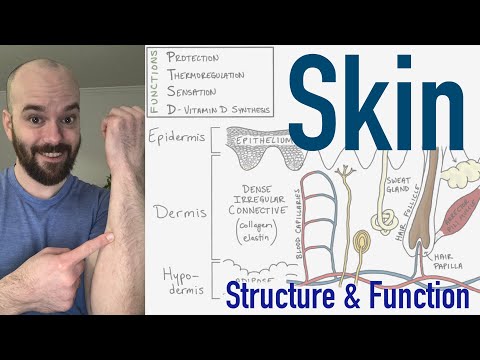
You know that moment when you accidentally touch something super hot and your skin just goes, “Whoa!”? I mean, it’s like the ultimate alarm system! Your skin’s got your back in so many ways.
Seriously though, have you ever thought about how crazy complex it really is? It’s not just a cover; it’s a busy little factory working around the clock. From feeling that warm sun on your face to keeping all those germs out, your skin does it all.
So, let’s break down this fascinating layer of ours. Get ready for a fun breakdown of skin anatomy with some neat diagrams. You’ll see exactly what makes this protective barrier of ours so awesome!
Comprehensive Diagram of Skin Anatomy: A Scientific Exploration of Structure and Function
Sure! Let’s chat about skin anatomy, which is totally wild when you think about it. Our skin is like the superhero of our bodies—it protects us, regulates temperature, and even helps us feel things. Here’s a more detailed look at its structure and function.
The Basics of Skin Layers
Our skin has three main layers: the epidermis, dermis, and hypodermis. Each layer plays a unique role.
- Epidermis: This is the outermost layer, kind of like the icing on a cake. It’s really thin but super important! The epidermis contains cells called keratinocytes that produce keratin—a protein that helps make your skin tough and waterproof. You know that feeling when you get dry skin? That’s because your epidermis is losing moisture!
- Dermis: Now we’re getting into the good stuff. This layer sits right beneath the epidermis and is much thicker. It houses blood vessels, nerves, hair follicles, and sweat glands. The dermis is where all the action happens—it’s responsible for strength and elasticity thanks to collagen and elastin fibers. When you see someone with smooth skin, it’s usually because their dermis is doing its job right!
- Hypodermis: Also known as subcutaneous tissue, this layer anchors the skin to underlying structures like muscles or bones. Here’s where fat cells come in—this layer acts as an insulator to keep your body warm and also stores energy.
Sensory Functions
You probably don’t realize it, but your skin is packed with sensory receptors! These tiny guys help you feel touch, pressure, pain, and temperature. When you touch something hot—like a stove—the receptors send signals to your brain instantly telling you to pull away before you get burned! Isn’t that impressive?
The Importance of Glands
Now let’s not forget about glands in your skin:
- Sweat glands: They help cool your body down by producing sweat when you’re hot or nervous.
- Sebaceous glands: They produce oil (sebum) that keeps your skin moisturized and protected from bacteria.
If these glands become clogged or inflamed (like during puberty), that’s how acne shows up—real bummer!
The Role of Skin in Immunity
Your skin isn’t just a barrier; it also plays a role in your immune system! It produces antimicrobial proteins that fight off germs trying to invade your body. Just think about how many things touch our skin daily—a lot! And yet we stay mostly healthy thanks to this protective shield.
A Quick Fun Fact!
Ever heard of melanin? It’s what gives our skin its color! More melanin means darker skin tones which provide extra protection against harmful UV rays from the sun. So next time you’re catching some rays or slathering on sunscreen, remember: Your melanocytes are working hard!
In essence, our skin isn’t just there for looks; it’s an intricate organ vital for survival. By understanding its anatomy better, we can appreciate why taking care of our skins matters so much—not just for beauty but for health too!
So yeah, that’s a quick tour through the anatomy of our amazing skins—and seriously, it’s way cooler than most people realize!
Understanding the Structure of Skin: A Comprehensive Diagrammatic Analysis in Biological Science
Sure thing! Let’s talk about your skin. Yeah, that amazing protective layer covering your entire body! It turns out, skin is pretty complex and fascinating. Let’s break down its structure in a way that’s easy to picture.
First off, your skin has three main layers: the epidermis, dermis, and hypodermis. Each layer has its own unique role and contribution to keeping you safe and healthy.
- Epidermis: This is the top layer of your skin. It acts as the first line of defense against outside threats like germs and pollutants. The epidermis itself is mostly made up of cells called keratinocytes, which produce a protein called keratin. Keratin is super important because it helps make your skin waterproof!
- Dermis: Right beneath the epidermis lies the dermis. This layer is thicker and packed with blood vessels, nerves, hair follicles, and sweat glands. Think of it as a busy city where all the action happens! The dermis provides strength and elasticity thanks to proteins like collagen and elastin.
- Hypodermis: Also known as subcutaneous tissue, this layer isn’t technically part of the skin but plays an essential role. It connects your skin to underlying muscles and bones while providing insulation through fat deposits. This helps keep you warm and acts like a cushion for impacts.
The cool thing about these layers is how they work together day in and day out. For example, when you get a cut on your skin, it’s usually the epidermis that gets damaged first. As it heals, new cells come from underneath – basically replacing those worn-out ones.
Now let’s not forget about something really interesting: **skin color**! That comes from a pigment called melanin found in the epidermis. People with darker skin have more melanin than those with lighter skin; it’s nature’s way of providing some protection against UV radiation from the sun.
Oh! And then there are **accessory structures** like nails and hair that grow from your skin too—crazy right? Nails help protect finger tips while hair can help regulate body temperature or provide sensory information when touched.
In terms of health signals, think about how often we notice changes in our skin—like rashes or changes in color—that can hint at what’s going on inside our bodies. Your skin can literally tell you a lot about your overall health!
So next time you look at your reflection or apply lotion, remember this amazing organ does so much beyond just looking good! It’s intricate yet efficient—a true marvel of biological engineering that keeps us safe every single day!
Exploring the 7 Layers of Skin: A Comprehensive Overview of Dermatological Science
Alright, let’s get into the nitty-gritty of your skin. Seriously, our skin is like an amazing protective barrier, and understanding its layers can be pretty fascinating. So, here’s the scoop on the seven layers of skin.
First off, it’s important to know that skin isn’t just one solid thing. It’s actually made up of multiple layers, and they all have different jobs. Think of it kind of like a cake with different delicious tiers. Each layer plays a role in keeping you safe and healthy.
The Epidermis is the outermost layer. This is where you’ll find all those pesky dead skin cells. They help protect the layers underneath from stuff like dirt and bacteria. It’s only about 0.1 millimeters thick! You know how when you get a cut, it hurts? That’s because you’re hitting this layer! It also contains melanocytes, which are responsible for producing melanin – that’s what gives your skin color!
Next up is the Dermis. This layer is much thicker than the epidermis—about 1 to 4 millimeters thick! It’s packed with collagen and elastin, which give your skin strength and elasticity. Basically, that means it helps keep your skin firm but also stretchy! Inside the dermis, you’ll find blood vessels, nerves, hair follicles, and sweat glands—all essential for keeping your body temperature in check.
Then we have the Hypodermis, or subcutaneous layer. This one sits under the dermis and is made up of fat and connective tissue. It acts as a cushion for your organs and helps keep your body warm by storing energy—pretty neat right? It’s like built-in insulation against cold weather.
Now here’s where things get a bit specific: within these main sections are different smaller layers that serve unique purposes:
- Stratum Corneum: This is part of the epidermis where dead cells pile up to form a tough barrier.
- Stratum Lucidum: Found only in certain areas like palms or soles; it provides extra protection.
- Stratum Granulosum: Cells start to break down here; keratin (a key protein) forms in this layer.
- Stratum Spinosum: Named for its spiky appearance under a microscope; it helps provide strength.
- Stratum Basale:This bottom layer of epidermis produces new cells that push older ones upwards.
- Papillary Dermis:This upper part of dermis contains thin collagen fibers and sensory neurons.
- Reticular Dermis:This deeper area has thicker collagen fibers providing structural support.
The thing is, each layer interacts with one another to keep everything functioning smoothly. For example, if you’re feeling hot outside—the sweat glands in your dermis kick into gear to cool you down!
I remember once getting sunburned on my back after forgetting sunscreen during a beach trip—it was such a painful reminder about protecting my skin! The pain came from damage done mostly to my epidermal cells while deeper layers were still working hard to heal.
In essence, understanding these seven layers can help us appreciate how our body protects us every day against environmental stuff while playing key roles in processes like sensation or temperature regulation.
So there you have it! Your skin is way more complex than just what meets the eye—each layer has its own job to ensure you’re not just covered but also protected from various outside elements.
Skin, our body’s biggest organ, is kind of like a superhero cape. It protects us from the outside world, keeps us warm, and even helps us feel stuff like the softness of a puppy or the warmth of the sun. I mean, can you imagine life without that? Just think about those little moments when you’re wrapped up in a cozy blanket or gripping a cup of hot cocoa on a chilly day. That’s skin doing its thing!
Now, when we talk about skin anatomy, it gets super interesting. There’s more going on under the surface than you might think. It’s not just one flat layer; it’s like a multi-layered cake! The outermost layer is called the epidermis. This one’s tough; it’s what keeps all the important stuff inside while shielding you from dirt and germs. Sometimes I wonder how many times we’ve accidentally scratched our skin just to feel that slight pain; that’s your epidermis reminding you it’s working hard!
Beneath that is the dermis, packed with blood vessels, hair follicles, and sweat glands. Imagine all those tiny workers bustling around to keep your skin healthy and functioning right. They’re doing everything from regulating temperature to helping you heal when you get a cut. You ever get a bit too hot in summer? Yeah, that’s your sweat glands kicking in to cool things down.
Then there’s subcutaneous tissue underneath – this acts as padding and insulation for your body. It’s where fat resides too—a little cushion to help absorb shock when you fall or bump into something.
What really gets me is how dynamic our skin is every single day! It constantly renews itself—like a dedicated worker ready for another shift each morning by shedding old skin cells while making new ones behind the scenes. Ever notice those tiny flakes of skin on your clothes? Yup, that’s just some of that ongoing renewal process happening!
I remember one summer as a kid getting sunburned after forgetting sunscreen (classic mistake!). My skin turned red and sore because it was literally trying to protect itself from damage. It’s wild how even though it’s tough on the outside, it’s also sensitive underneath.
So yeah, the anatomy of our skin isn’t just boring science jargon—it’s an incredible insight into how we interact with our world every day! Learning about it helps appreciate this amazing organ we often take for granted but rely on so much!