Did you know that there are more tigers in captivity in the United States than in the wild? Crazy, right? Imagine seeing those majestic stripes just hanging out in someone’s backyard.
But seriously, endangered animals need our help, like, yesterday. It’s heartbreaking to think that some of my favorite creatures might disappear forever.
That’s where science comes in. Yup, those lab coats are doing some awesome things! With innovative ideas and tech, folks are finding ways to protect these amazing animals. Think of it as a superhero team-up—scientists and nature working together to save the day.
So, let’s chat about how all this scientific magic is making a real difference! You ready?
Strategies Employed by Scientists to Preserve Endangered Species and Restore Biodiversity
You know, when we talk about endangered species, it can feel a bit overwhelming. The reality is that many animals are facing extinction due to habitat loss, climate change, pollution, and other human activities. But scientists are stepping up with some pretty clever strategies to help turn the tide.
One key strategy involves habitat restoration. This means fixing up the environments where endangered animals live. Think about it: if their homes are destroyed, they have nowhere to go. Scientists work on replanting trees in deforested areas or cleaning up polluted rivers. It’s like giving nature a makeover! For example, in some regions of the Amazon rainforest, efforts to replant native trees have made a real difference in restoring habitats for species like jaguars.
Another important tactic is breeding programs. When animal populations drop too low, breeding programs can help increase their numbers. Zoos and wildlife reserves often play a huge role here. They carefully match animals to breed healthy offspring. A successful case is the California condor. Once on the brink of extinction with only 27 individuals left in the wild, these birds have been slowly reintroduced back into their natural habitats thanks to dedicated breeding efforts.
Conservation corridors also come into play. These are pathways that connect fragmented habitats so animals can move freely between them. Imagine living in a neighborhood with walls all around—it would be tough to visit your friends! Scientists create these corridors through planting vegetation or even constructing bridges over roads to help creatures like elephants and bears roam safely.
Then we have community engagement. It’s super important for local people to get involved in conservation efforts. Scientists often educate communities about why protecting wildlife matters—not just for the animals but also for people’s lives and livelihoods. For instance, in areas where poaching is prevalent, outreach programs teach locals about sustainable alternatives that benefit both them and wildlife.
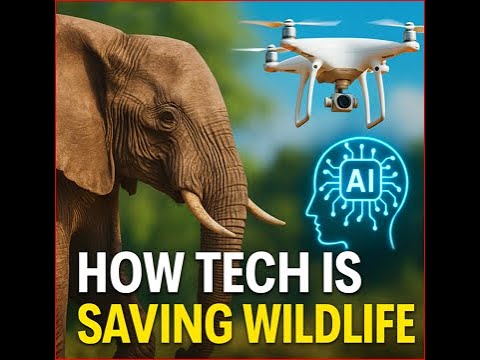
The use of technology has also changed the game big time! GPS tracking allows scientists to monitor animal movements in real-time. Drones can survey large areas without disturbing wildlife too much—this gives researchers better data on animal populations and health without having to physically get too close. It’s like having aerial eyes on nature!
Finally, there’s something called sustainable practices. This approach involves using resources wisely so that animals aren’t pushed out of their habitats by things like agriculture or urban development. By promoting sustainable farming techniques or eco-friendly tourism practices, scientists help ensure that wildlife and humans can coexist peacefully.
The emotional part? When you see a scientist working tirelessly over years—and finally seeing those tiny baby turtles hatch and make their way back home—it’s just incredible! It gives you hope that even when things look bleak for endangered species, there are always paths forward if we work together.
The bottom line? Science is playing an instrumental role in saving our planet’s beautiful biodiversity through innovative solutions that bring both animals and people together.
Leveraging Technology for Conservation: Innovations Supporting Endangered Species in Science
Technology is revolutionizing conservation efforts, especially when it comes to protecting endangered species. It’s like having a superhero squad at our fingertips, all thanks to the power of innovation. You know, it’s kind of heartwarming to think that we can use our tech-savvy skills for something so meaningful, right?
One area where tech shines is through camera traps. These handy devices are incredibly useful for monitoring wildlife in their natural habitats without disturbing them. Imagine setting up a camera in the jungle, and days later, you discover footage of a rare snow leopard gracefully roaming around. Not only do these cameras help biologists gather data on animal populations, but they also capture moments that remind us of the beauty we’re trying to protect.
GPS tracking is another game changer. It allows scientists to follow the movements of endangered species in real-time. For example, tracking devices on elephants can show migration patterns and how they respond to habitat changes. This information is crucial because it helps conservationists design effective strategies to protect their routes from human encroachment or poaching threats.
Then there’s Drones. Yes, those flying gadgets are not just for fun! In conservation, they play a vital role by surveying large areas quickly and efficiently. Think about it: spotting illegal poachers or mapping out habitats from above can save countless lives. It’s like having an eagle eye on the ground!
Also worth mentioning are genetics tools. They’re helping to bring back species from the brink of extinction through things like selective breeding programs. Scientists can analyze genetic diversity among remaining individuals and ensure that there’s enough genetic variation for a healthy population. For instance, efforts with the black-footed ferret have shown promising results by using genetic insights to manage breeding practices.
Technology even extends into mobile apps. Several organizations have created platforms where citizens can report sightings of endangered species or even contribute to data collection! Programs like these help engage local communities in conservation efforts while providing valuable information for researchers on-the-ground.
And let’s not forget about artificial intelligence (AI). AI algorithms can analyze massive amounts of data collected from various sources—like camera traps or sensors—and identify trends and threats much quicker than humans ever could. For example, AI systems are already being used in some areas to predict where poaching activities might occur based on historical data and environmental variables.
In summary, technology is not just enhancing traditional methods; it’s opening up new avenues for conserving endangered species in ways we couldn’t have imagined before! The integration between science and technology really goes hand-in-hand as we strive towards protecting our planet’s most vulnerable creatures amidst all the challenges they face today.
So here’s the bottom line: leveraging these innovations means giving endangered animals a fighting chance against extinction—something we should all feel good about supporting!
The Imperative of Conservation: Understanding Scientists’ Commitment to Saving Endangered Species
The world is a big place, right? But seriously, it can feel pretty small when you think about all the amazing creatures sharing it with us. Sadly, many of those creatures are teetering on the edge of extinction. Scientists are like the superheroes of this story, equipped with knowledge and innovation to fight for these endangered species.
Why conservation matters is pretty simple. Every species plays a role in its ecosystem. Imagine a giant Jenga tower. If you pull out too many blocks—like when we lose species—it can all come crashing down. That’s bad news for everything else, including us.
And here’s where scientists come in with their commitment to conservation. They don’t just sit around; they’re out there doing research, studying habitats, and understanding animal behaviors. They want to know what’s causing these declines in populations and how to fix them.
One significant factor that scientists focus on is habitat loss. As humans expand cities and agriculture, animals lose their homes. So, researchers often work hand-in-hand with governments and organizations to create protected areas. It’s like making safe zones for your favorite video game characters! These spaces allow wildlife to thrive without the constant threat of development.
Another cool aspect is how scientists use technology. Like drones or camera traps? Yeah! They help gather data about animal movements or monitor populations without disturbing them too much. For example, using GPS collars on endangered wolves can show how they interact with their environment and identify what they need for survival.
Innovations in genetics also play a huge role in conservation efforts today. Techniques like CRISPR — which can edit genes — could help revive dwindling genetic diversity among endangered species. Imagine giving a population a little boost so it can be more resilient against diseases or environmental changes!
But it’s not all high-tech stuff; education is crucial too! Scientists often engage communities by raising awareness about local wildlife issues and involving them in conservation efforts. Because let’s face it, if people don’t care about the animals around them, what’s the point? Knowledge empowers communities to make choices that support biodiversity.
And here’s something emotional: think about the last time you saw an elephant at the zoo or a tiger on TV—those majestic creatures could vanish forever if we don’t act now! There are children who will never know what it feels like to see a wild panda roam free or hear the roar of a lion at dawn if we continue down this path.
In short, the commitment scientists show toward saving endangered species is driven by facts but also passion. It stems from understanding that every single creature adds value to our planet’s tapestry of life—and losing even one thread can unravel much more than we realize.
So next time you hear about scientific innovations aimed at conservation, remember: these aren’t just numbers or headlines; every bit of effort is an investment in our shared future—and hopefully one where our wild neighbors continue thriving alongside us!
You know, when you think about endangered animals, it can be a real bummer. I mean, just picture the last of a species—like that panda cuddling a tree or the majestic snow leopard prowling through the mountains. They’re not just numbers; they’re living beings with character and quirks. And losing them feels like we’re losing bits of ourselves.
So, here’s the thing: while it seems downright hopeless at times, science is stepping up to save these critters in some pretty cool ways. We’ve got genetic engineering, drones for tracking wildlife, and even 3D printing to help create habitats or even prosthetics for injured animals. It sounds like something out of a sci-fi movie, right? But it’s actually happening now.
I remember watching a documentary about how scientists used DNA from preserved specimens of the passenger pigeon to better understand why they went extinct. They were so common once—literally flying in flocks that could darken the sky. But like many species, they were pushed to their limits by human activity. It was heartbreaking to see those images knowing that extinction doesn’t just remove an animal; it disrupts entire ecosystems.
Then there are innovations like conservation genetics that help us understand the breeding potential of small populations. Imagine being able to bring together individuals from a dwindling group and make sure they can produce healthy offspring! That’s basically like giving them a fighting chance at survival.
But look, science isn’t flawless. Sometimes these innovations are met with skepticism or ethical concerns—like cloning or tampering with nature too much. And honestly? I get that! It raises big questions about how far we should go in playing God with these beautiful beings.
Yet despite all this complexity, there’s something incredibly hopeful about human creativity and determination when it comes to protecting our planet’s biodiversity. So yes, it can feel overwhelming sometimes seeing so many species on the brink; but when you look at what scientists are doing—using their knowledge and skills for good—it reminds you that maybe there’s still time to turn things around.
All in all, saving endangered animals through scientific innovation is as much about compassion as it is about technology. It’s easy to forget each little step forward counts when you’re just one person in the big picture—but every effort matters!