You know that moment when you turn on the tap, and you’re staring at the water, thinking, “Wow, I just let this flow like it’s free?” Well, it kinda is—and that’s what makes it a little scary. I mean, water isn’t just about quenching your thirst or washing dishes; it’s precious stuff.
Remember that time you tried to beat your neighbor’s epic garden? You watered like crazy and still lost to their green thumb? Yeah, watering can get out of hand. But here’s the kicker: there are super easy ways to save water without turning your home into a desert.
Whether you’re in a cozy apartment or a big house with kids running around, you can put these smart conservation strategies into action. Seriously! It’s not about going extreme; it’s more about being clever. Just keep reading—trust me, your future self will thank you!
Optimizing Water Use: Innovative Conservation Strategies for California Homes
California has been facing some serious water challenges, right? With the ongoing droughts and increasing demand, conserving water at home is more important than ever. So let’s talk about some innovative strategies to optimize water use in your everyday life.
First things first—fixing leaks is crucial. Seriously, a dripping faucet or leaky toilet can waste gallons of water every day! Just imagine how much that adds up over time. Make it a habit to check for leaks regularly. Not only will you save water, but your wallet will thank you too!
Another smart move is installing low-flow fixtures. These include showerheads and faucets designed to use less water without sacrificing pressure. You know that satisfying feeling of a good shower? With low-flow options, you can have that while using way less water. It’s kind of like getting the best of both worlds!
And then there’s smart irrigation systems. If you have a garden or lawn (and who doesn’t love a bit of greenery?), investing in a smart irrigation controller is game-changing. These systems adjust watering based on weather conditions and soil moisture levels, so you’re not watering when Mother Nature takes care of it for you.
Also, consider xeri-scaping. This landscaping method focuses on using drought-resistant plants that require less water. It’s pretty amazing how beautiful and unique these gardens can look while still being super efficient with water! Plus, you’ll spend less time worrying about watering them.
And here’s an interesting tip: collect rainwater! Yup, setting up a rain barrel can let you store rainwater from your roof for those hot days later on. It’s eco-friendly and can save you from reaching for the tap when your garden needs some hydration.
Now let’s not forget about washing clothes wisely. Only run your washing machine when it has a full load; this helps save both water and energy. If you’re in the market for a new machine, look for models labeled “water-efficient.” They’re designed to give great cleaning results while using less water overall.
Lastly, educate every member of the household about these practices! When everyone knows the game plan—like turning off the tap while brushing teeth or taking shorter showers—it becomes second nature. Remember when my friend started tracking her family’s daily usage? It sparked unexpected conversations at dinner tables and turned into mini-competitions on who could use less!
So there you have it—some practical and innovative ways to conserve water in California homes! By making these small changes together, we can all contribute to something big: protecting our precious resources for future generations. Water is life, after all!
Top 5 Scientific Methods for Effective Water Conservation
Water conservation is such an important topic these days. With climate change and population growth, we can’t afford to waste this precious resource, right? So let’s talk about some effective methods for saving water in your home.
- Fix Leaks Promptly: You wouldn’t believe how much water leaks can waste! A dripping faucet might seem minor, but it can add up to gallons of water over time. It’s like leaving a tap running without even realizing it. Seriously, check those pipes and faucets regularly!
- Install Water-efficient Fixtures: Switching to low-flow showerheads and faucets can save tons of water without sacrificing comfort. These fixtures are designed to use less water while still giving you that refreshing shower experience. You just turn the handle, and you’re set!
- Use a Rain Barrel: Collecting rainwater can be a game changer for your garden or lawn care. It’s like nature giving you free water! By setting up a barrel under your downspout, you can gather rainwater during storms and use it later for watering plants.
- Watering Wisely: Timing is crucial when it comes to watering your garden or lawn. Early mornings or late evenings are the best times because it reduces evaporation. Think about it: watering in the middle of the day feels like wasting that good water energy!
- Practice Smart Landscaping: Consider planting drought-resistant plants that require less water overall. Native plants typically thrive without tons of extra care since they’re built for your local climate conditions. It’s like having a garden that takes care of itself!
Those five methods are just the tip of the iceberg when it comes to conserving water at home. Each little step adds up, you know? And sometimes we forget how our daily habits play into this larger picture—like that time I was washing my car with a hose instead of using a bucket; I felt pretty bad about all the water I wasted afterward!
So remember, every drop counts! By adopting these strategies, you not only save on your water bill but also do your part for the planet—how cool is that?
Effective Water Conservation Strategies: Scientific Approaches to Sustainable Management
So, let’s talk about water conservation. You know, with all the climate changes and droughts popping up everywhere, it’s becoming a big deal to save water. The cool part is that there are some effective strategies based on scientific principles that can really help us manage this precious resource better.
Understanding Your Water Use
First things first: you gotta know where your water goes. Seriously! Take a look at your water bill. Most households use a huge chunk of their water in the bathroom and kitchen. This info can guide you in targeting areas to save.
Fixing Leaks
Okay, this one sounds basic but stick with me. Dripping faucets or leaky toilets? They add up fast! A faucet dripping just once per second can waste about 3,000 gallons a year! That’s enough to fill a swimming pool for crying out loud! So check those leaks regularly and fix ‘em up.
Efficient Appliances
Have you ever thought about swapping out your old appliances? Some newer washing machines and dishwashers are designed specifically to use less water while still getting your clothes and dishes clean. They may seem pricey upfront but think of the savings over time!
Saving Water Outdoors
Now, let’s step outside for a sec. If you’re watering your garden or lawn, consider doing it early in the morning or late in the evening to reduce evaporation. And hey, if you’re using sprinklers, make sure they’re not watering the sidewalk instead of your plants—like seriously, who wants to waste water like that?
You might even try out
. These beauties need less water once they’re established and can still look gorgeous in your garden!
Rainwater Harvesting
This one’s kind of neat! Think about collecting rainwater from your roof into barrels or tanks. You can then use it for watering plants or cleaning outdoors. Just be sure to check local regulations around this; some places have specific rules about collecting rainwater.
Xeriscaping
If you’re feeling adventurous with gardening, xeriscaping is worth exploring! It’s all about designing your landscape with plants that need little irrigation—a clever way of making nature work for you while saving that sweet H2O!
Community Efforts
Let’s not forget teamwork here; communities can come together for larger projects like creating rain gardens or other sustainable practices that help manage stormwater runoff effectively. Plus, sharing tips on conserving water within neighborhoods can inspire everyone to jump on board!
The thing is, each small change adds up over time. Just imagine if everyone made just one effort—seriously impressive what we could achieve together with some mindful actions towards conserving our most precious resource: water!
Water conservation is becoming a bigger deal, and honestly, it’s about time! You know how we often take water for granted? We turn on the tap without thinking about the fact that it’s a limited resource. But every drop counts, right? I remember when I was a kid, running through sprinklers in the summer or splashing around in pools. Those were the days! But then, during one particularly hot summer, we had to cut back on water because of a drought. It made me realize how important it is to pay attention to this stuff.
There are so many simple strategies you can use at home to save water. First off, think about fixing those leaky faucets or toilets. Seriously, just a tiny drip can waste gallons over time without you even noticing! And instead of letting the water run while brushing your teeth or washing dishes, just fill up a cup or basin. It’s such an easy switch.
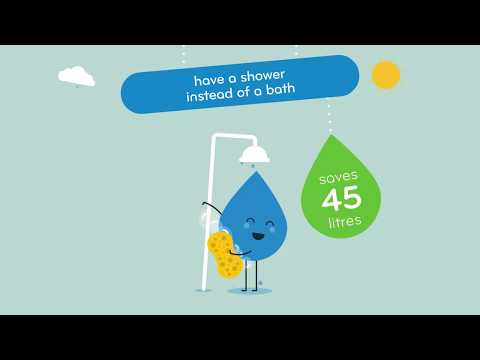
Now let’s talk about showers—who doesn’t love a nice hot shower? But try and keep them short; every minute less can save quite a bit. You could also install low-flow showerheads; they’ll save you money on your bill and waste less water.
And if you’re into gardening (or even if you just have a few plants), consider using mulch to hold moisture in the soil. It’s like giving your plants a drink that lasts longer! Also, watering early in the morning or late in the evening helps reduce evaporation. Trust me; those plants won’t mind getting up early!
But it’s not all about being stingy with water either—it’s also about creativity! Collecting rainwater in barrels is super smart if it’s doable where you live. Just think of all that free water for your garden!
These changes might seem small individually, but when added up across neighborhoods and cities? It makes a big difference. Plus, it feels good knowing you’re doing your part for the planet—like you’re part of something bigger than just yourself.
So next time you’re filling your glass or cleaning up after dinner, remember: each little choice can lead to smarter water use at home. And who knows? You might inspire someone else to jump on board too!