You know that feeling when you step into the shower and realize, whoa, you just might be turning into a human prune? Yeah, it happens to the best of us.
Water is like that friend who’s always down for a good time but can disappear when you least expect it. Seriously, fresh water is becoming super precious!
So, what’s the deal with conserving it? Well, there are all sorts of scientific approaches popping up that can help us save this valuable resource.
Let’s chat about three of them that are not just smart but also kinda cool. Ready to soak it all in?
Exploring Three Essential Methods of Water Conservation in Environmental Science
Water conservation is like a superhero move we can all take to protect our planet. Seriously, water is life! We rely on it for everything, from drinking and cooking to keeping our ecosystems thriving. Let’s explore three essential methods of water conservation that make a real difference in environmental science.
1. Rainwater Harvesting
So, what’s rainwater harvesting? Well, it’s super simple! It involves collecting rain that falls on rooftops and storing it for future use. You can set up a system with barrels or tanks connected to gutters. When it rains, the water flows down into your storage system instead of just running off into the streets.
This method isn’t just for the big cities; you could even give it a whirl in your backyard! Think about how much you could save during dry spells. Imagine having your own little reservoir of fresh water for watering plants or washing cars!
2. Sustainable Irrigation Techniques
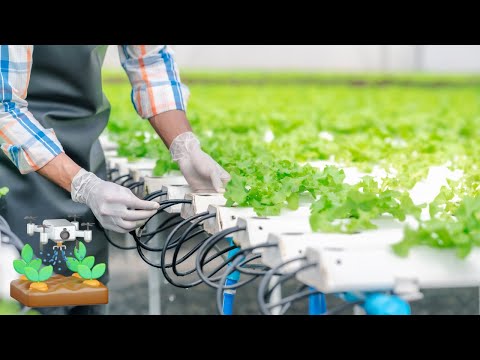
Now let’s talk about irrigation. Farmers need water to grow food, but traditional irrigation methods can waste tons of water—like, seriously tons! Sustainable irrigation techniques aim to fix this problem using more efficient systems.
One popular method is called *drip irrigation*. It delivers water directly to the plant roots through a network of tubes and emitters. This way, plants get exactly what they need with minimal waste. It’s kind of like giving each plant its own little drink without overdoing it!
Another cool technique is *rain-fed agriculture*. This means farmers rely on rainfall instead of watering their crops artificially. While this may sound risky at first, it helps promote soil health and reduces the depletion of groundwater resources.
3. Greywater Recycling
Last but not least, let’s chat about greywater recycling. Don’t worry; it’s not as yucky as it sounds! Greywater refers to gently used household water—like from showers, sinks, and washing machines. Instead of letting all that water go down the drain, you can recycle it for other uses around your home.
You could use greywater for flushing toilets or irrigating your garden! Just imagine—you’re saving fresh water while also reducing your overall consumption! It’s smart and eco-friendly.
So there you have it: three essential methods you can think about when considering how we conserve our precious resource—water! Whether it’s harvesting rainwater at home, employing sustainable irrigation practices on farms or recycling greywater in daily life; these strategies help protect our environment while ensuring we always have enough clean water at hand. Pretty cool idea right?
Exploring the Three Key Strategies of Conservation in Science: A Comprehensive Guide
Sure, let’s chat about the three key strategies of conservation in science, especially focused on water conservation. It’s a huge topic—water is like the lifeblood of our planet, you know? So, understanding how we can conserve it is super important.
1. Preservation
This first strategy is all about keeping existing ecosystems intact. When we preserve natural habitats, like wetlands and forests, we’re protecting the water cycles that keep everything running smoothly. For example, wetlands act as sponges—they absorb excess rainwater and filter pollutants. It’s like giving Mother Nature a big high-five!
But here’s the tricky part: development often intrudes on these areas. Think about it—urban expansion can decimate wetlands. We really need to recognize their value and push for policies that protect them. It can feel overwhelming sometimes, but every small step toward preservation counts!
2. Restoration
Now, restoration is where things get hopeful. This approach focuses on bringing damaged ecosystems back to life. If a river has been polluted or dried up due to human activities, restoration efforts might involve planting native vegetation along the banks to stabilize soil and improve water quality.
A real-world example? The reforestation projects happening in places like Panama are making waves (pun intended!). By bringing back trees along riverbanks, they not only enhance biodiversity but also improve water filtration systems naturally.
But restoring isn’t just about planting trees; it requires community involvement too! You need people who care enough to participate in these projects because it makes all the difference.
3. Sustainable Use
Sustainable use gets a bit technical but hang tight! This strategy looks at how we can use water resources wisely without compromising future generations’ ability to use them too. Basically, you want to balance consumption with conservation.
Think agriculture: farmers can adopt techniques like drip irrigation instead of using flood irrigation. Drip irrigation delivers water directly to plants’ roots—less waste means more efficiency! It’s kind of mind-boggling when you realize how much smarter farming techniques have become over just a few years.
Moreover, sustainable practices go beyond agriculture into daily life too! Have you ever noticed how some cities promote rainwater harvesting? It’s becoming a neat way for homeowners to collect rainwater and use it for gardens or washing cars instead of tapping into precious groundwater!
In summary, these three strategies—preservation, restoration, and sustainable use—are interconnected ways we tackle water conservation issues scientifically but also practically everyday lives as well! Helping our planet takes effort from everyone; let’s work together so we’ve got clean water today and tomorrow too!
Understanding the 3 R’s of Water Conservation: Essential Strategies for Sustainable Science
Water is one of those things we often take for granted, right? You turn on the tap, and boom, there it is. But when you think about it, conserving water is like a superhero move for the planet. So let’s break down the 3 R’s of water conservation: Reduce, Reuse, and Recycle. These are pretty much the go-to strategies that can help us out in our quest for sustainability.
Reduce means using less water overall. It’s kind of like cutting back on dessert; sometimes less is more! For instance, you could take shorter showers or fix that leaky faucet dripping away your precious H2O. Even turning off the tap while brushing your teeth can make a big difference over time. Little changes add up.
Then we have Reuse. You know when you save that old plastic container for leftovers? Same idea! Instead of throwing out water from washing vegetables or rinsing pasta, why not catch it in a bowl? You can use that leftover water to hydrate your plants or clean surfaces around the house. It not only saves water but also keeps unwanted waste from piling up.
Now let’s talk about Recycle. This one’s cool because it involves taking used water and treating it so we can use it again. In many areas, they’re treating wastewater—stuff we’ve already used—and bringing it back into circulation for things like irrigation and industrial processes. So instead of letting all that water just go to waste after one use, recycling gives it a new life!
So yeah, these three strategies are essential if we want to get serious about protecting our planet’s resources. Here’s a quick recap:
- Reduce: Use less water daily.
- Reuse: Find creative ways to use water again.
- Recycle: Treat wastewater for multiple uses.
Remember that every drop counts! It might seem small when it’s just you—like it’s hardly noticeable—but imagine if everyone made these little changes? That could totally shift the tide (pun intended!). Water conservation isn’t just a responsibility; it’s also an opportunity to be smarter with what we’ve got and leave behind a better world for future generations.
Water is like that friend who always shows up uninvited but also keeps things interesting. We need it for pretty much everything – drinking, cooking, cleaning, and just living our lives. But here’s the kicker: fresh water is limited. Seriously, there’s only so much of it on this planet. So, let’s chat about three scientific approaches to conserving water that can really help us out.
First up, we have rainwater harvesting. Have you ever noticed how after a good rainstorm, the streets are like mini rivers? Well, instead of just letting all that precious water flow away into the gutters (like watching your favorite song on mute), some folks set up systems to capture it. You install barrels under your downspouts or even complex tanks to gather and use that rainwater later for watering plants or washing cars. It’s kind of magical when you think about it; nature just gives us this free resource if we’re smart enough to catch it!
Next is greywater recycling. Now, picture this: you’ve just showered or done some laundry—most of that water isn’t “dirty” in a bad way; it’s just used! Instead of sending it straight down the drain where it gets treated and wasted (ugh), we can actually reuse some of it right in our homes. Imagine using your shower water to irrigate your garden! It feels like giving a second life to something that’s already been through its paces.
And lastly, we can’t skip over precision agriculture. If harvesting rainwater feels like a small-scale magic trick at home, precision agriculture is like the big stage show for farmers. With technologies like sensors and drones (yeah, really!), farmers can monitor their crops’ needs precisely. This means they only water when necessary and just the right amount—no more guessing game or flooding precious fields with too much water. It’s smart and saves tons of this essential resource too!
Thinking about these approaches makes me reflect on my childhood visits to my grandma’s house in the country. She had this giant cistern for collecting rainwater—it felt so cool to know her lush garden was fed by nature itself! Now there are so many techy ways we could embrace similar ideas on a larger scale.
Water conservation might sound technical and dry at first (pun totally intended!), but it honestly connects deeply with how we live our lives and care for the planet together by making such efforts more communal than individual—it’s about everyone showing up for this friend who needs us as much as we need him!