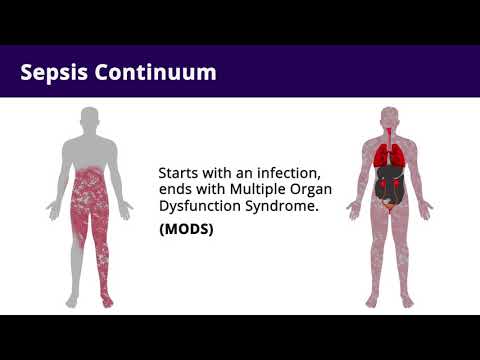
You know that moment when you realize you’ve been feeling a bit off, but you’re not sure if it’s just a cold or something more serious? Well, that’s kinda how sepsis sneaks up on people. One minute you’re chilling with your friends, and the next, you could be in a world of hurt, like “what the heck is going on?”
Here’s the twist: your body can go from zero to sixty in no time. Sepsis is like an overzealous alarm system. It gets triggered by an infection and suddenly, your immune system goes all out of control. And let me tell you, it’s not just about having a fever or chills; it can cause organ failure if things get dicey.
So why does this matter for nursing practice? Well, nurses are on the frontline here. They need to catch those sneaky signs early before things escalate into full-blown chaos. Think of them as detectives piecing together clues in a mystery novel—but instead of solving crimes, they’re saving lives. Sounds intense right?
Comprehensive Guide to the Pathophysiology of Sepsis: Downloadable PDF Resource
Sepsis, man, it’s one of those things that sounds super complicated but is actually pretty straightforward if you break it down. Basically, it’s your body’s extreme response to an infection. So imagine your immune system going totally haywire. Instead of just fighting off the bad guys, it releases a flood of chemicals into your bloodstream, which can lead to widespread inflammation.
When this happens, it can mess with your organs and tissues in a big way. You might start feeling really sick, and your heart and lungs can struggle to keep up. That’s when sepsis becomes dangerous. It can escalate quickly into septic shock, making the situation way more serious.
There are several key points to understand about how it all works:
- Infection triggers: Sepsis usually comes from infections in the lungs, urinary tract, abdomen, or skin.
- Immune response gone wrong: Your body releases inflammatory substances like cytokines that help fight infection but can also cause harm when they go overboard.
- Blood flow issues: The inflammation makes blood vessels leaky and increases blood clotting—leading to reduced blood flow and oxygen supply to vital organs.
- Organ dysfunction: Organs like the kidneys and liver can start failing due to lack of proper blood flow.
- Mental changes: Confusion or altered mental status often occurs due to decreased oxygen getting to the brain.
So, what does this mean for folks in nursing? Well, first off, recognizing sepsis early is key. Nurses play a huge role here because symptoms can vary so much between patients. You might see fever or chills in one person but confusion or a high heart rate in another.
The thing is that every second counts when dealing with sepsis. If a nurse spots those signs early on—like when someone runs a fever or seems unusually lethargic—it’s essential they take action ASAP! This could involve giving antibiotics or fluids right away.
And let’s not forget how important teamwork is in handling these cases. Nurses need to work closely with doctors and other healthcare providers to ensure everyone’s on the same page. Communication is vital because a delay could seriously impact patient outcomes.
It’s kind of like being part of an orchestra; if everyone hits their notes at the right time (and works together), you get beautiful music—or in this case—a better chance at recovery for patients facing sepsis.
So yeah, the pathophysiology of sepsis might seem like a lot at first glance—but understanding its basics helps you see just how critical nursing practice becomes during these healthcare scenarios!
Understanding Sepsis Pathophysiology: Insights for Nursing Practice and Patient Care
So, let’s talk about sepsis, alright? It’s one of those things that sounds super complex but is really just the body going a bit haywire when it fights off an infection. Imagine you’re at a party and someone starts a food fight. At first, it’s just one person throwing a piece of cake, but then everyone gets involved and chaos ensues. That’s kind of what sepsis is like.
When an infection kicks in, your immune system jumps into action. It releases chemicals to help you fight off the bad guys—like bacteria or viruses. But sometimes, the immune response goes overboard. Instead of just targeting the infection, it starts to attack your own organs and tissues too. This leads to inflammation, which can cause all sorts of problems.
Here’s where things get tricky: as the inflammation spreads throughout your body, it can lead to organ dysfunction. Think about how blood flow is like traffic on a busy road. If there are blockages from all this inflammation, organs don’t get enough blood and oxygen. You end up with issues like low blood pressure or even organ failure.
- Sepsis can start anywhere: From a simple urinary tract infection to pneumonia or skin infections.
- Quick action is key: The faster you identify sepsis and treat it, the better the chances for recovery.
- Nursing practice matters: Nurses play a crucial role in spotting early signs—like changes in heart rate or temperature.
You know what’s wild? Sometimes patients don’t even look that sick at first. Their skin might seem fine and they might be chatting away but inside, their bodies are fighting this huge battle against sepsis! That’s why being vigilant is so important in nursing practice.
Nurses need to watch for subtle signs—like confusion or feeling extra tired—because those can be indicators that something isn’t right. When you see these signs, acting quickly could save their life!
Treatment typically involves antibiotics (to fight off the infection) and fluids (to keep blood pressure up). Sometimes patients might also need support for their organs if they start shutting down—like dialysis for kidneys or breathing machines for lungs. This brings us to another important part: communication!
- Nurses should communicate: Keeping everyone informed—from doctors to family members—is vital.
- Educating families: Help them understand what sepsis is and why quick treatment is so crucial.
The emotional weight of caring for someone with sepsis can be heavy too. I remember hearing from a nurse who shared how she connected with a patient’s family during such hard times; they felt lost until she took the time to explain everything happening with their loved one step by step. That kind of compassion goes a long way!
In summary, understanding sepsis pathophysiology isn’t just a fancy medical concept; it’s super relevant for nursing practice and patient care. Recognizing early symptoms and treating them promptly can make all the difference between life and death.
Each moment counts—so being on top of things means more than just medical knowledge; it means caring deeply about people when they need it most!
Understanding the Pathophysiology of Sepsis: A Comprehensive PPT Guide for Medical Science
Sepsis is this really serious condition that can sneak up on people without warning. Basically, it happens when your body decides to throw a fit over an infection. Instead of just fighting it off like a champ, your immune system goes into overdrive and starts causing all kinds of chaos.
When you get an infection, your body releases chemicals called cytokines to help fend off the invaders. But in sepsis, this response goes haywire. You end up with way too many cytokines swooping around your bloodstream. This overreaction leads to widespread inflammation and even tissue damage, which isn’t good for anyone.
Now, the big players in sepsis are things like bacteria, viruses, or fungi—these nasty little guys can enter through cuts or infections elsewhere in the body. Once they make their way in, they trigger that chaotic immune response I mentioned earlier. So, what are the consequences of this mess?
Well, one major effect is something called vasodilation. That’s just a fancy way of saying blood vessels open up too much and cause low blood pressure. This means that organs don’t get enough blood—and if organs don’t get blood? They start malfunctioning! Kind of like when your phone runs out of charge.
The kidneys may start to fail because they’re not getting enough blood flow or oxygen; the lungs might fill with fluid making it hard to breathe; and if things go really south? You could end up facing organ failure.
Another aspect is coagulation issues. In sepsis, there’s an imbalance between how much your body clots and how much it breaks down those clots. You can either bleed more or develop tiny clots all over that can block vessels—both scenarios are pretty scary.
There’s no denying that sepsis is a massive challenge for healthcare providers (and nurses especially!). They need to recognize the signs early—like fever, rapid heart rate, confusion—and act fast because time is most definitely not on our side here.
In nursing practice, understanding these mechanisms helps provide better care like:
- Monitoring vital signs: Tracking changes helps spot potential problems early.
- Fluid resuscitation: Giving fluids quickly can help raise blood pressure.
- Administering antibiotics: Quick intervention with appropriate drugs can tackle infections before things escalate.
So next time you hear about sepsis or see someone struggling with symptoms that seem innocent at first glance—it’s super important to look deeper. Early recognition and treatment make all the difference between recovery and serious complications! This whole process might sound complicated but remember: at its core, sepsis is about a mistaken reaction by our own bodies reacting fiercely against infections when instead they should just be handling them calmly!
Okay, so let’s talk about sepsis. It’s one of those things that can really hit home, you know? I remember a friend who had a routine surgery but ended up battling serious sepsis afterward. The whole thing was just like a whirlwind, and it made me realize how crucial understanding sepsis is, especially for healthcare professionals.
Now, when we say “sepsis pathophysiology,” what are we even getting into? Basically, it’s all about how sepsis happens in the body. So, when an infection occurs—like from bacteria or viruses—the immune system jumps into action. But sometimes it goes overboard. Instead of just dealing with the infection, the body starts attacking itself too. That leads to inflammation throughout the body and can mess up organ functions big time.
This is where nursing comes into play big time! Nurses are on the front lines and can spot these changes early on. They’re like the detectives in healthcare—watching for signs that something might be off, like changes in heart rate or blood pressure. There’s this fine line between combating the infection and keeping our bodies together during an intense response.
And here’s where it gets even trickier: every patient reacts differently. A young person might bounce back faster than someone older or those with other health issues. Knowing the pathophysiology helps nurses tailor their interventions to each patient because one size doesn’t fit all here! It’s not just about giving antibiotics; it’s about recognizing symptoms of shock and understanding fluid management to keep someone stable.
I mean, think about how important that knowledge is for both patients and their families too! When nurses explain what’s happening and why they’re doing certain treatments, it creates this bond of trust—which is vital during such stressful times.
So yeah, understanding sepsis pathophysiology isn’t just some academic pursuit; it’s super practical in nursing practice. It shapes how care is delivered and ultimately can make a huge difference in outcomes. You follow me? In short, being aware of how this condition works helps nurses save lives—and that’s pretty powerful stuff right there!