You know what’s wild? The night sky is like, totally packed with stuff we can’t even see with our own two eyes. I mean, just the other night, I was lying on my back in the yard, staring up at the stars, and I felt so small. It’s like a cosmic ocean out there!
So here’s the thing: telescopes are kind of the keys to that universe. Seriously! Imagine peering through one and suddenly seeing craters on the moon or maybe even a distant planet. It’s like unlocking a hidden treasure!
And don’t worry if you think telescopes are all complicated gadgets for scientists in lab coats. Nope! There are super simple ones that anyone can use. You could be out there, checking out Mars or Saturn’s rings in no time!
In this little adventure, we’re diving into those basic telescopes—the ones that make astronomy accessible for everyone. Get ready to explore!
Top Beginner Telescopes for Astrophotography: A Guide to Capturing the Cosmos
Astrophotography is like capturing a glimpse of the universe in your own backyard. Sounds cool, right? But when you’re just starting out, picking the right equipment can be a little overwhelming. Let’s break it down so you can find a telescope that doesn’t just sit pretty but actually helps you snap some amazing shots of the cosmos.
First off, you want a telescope that’s beginner-friendly. That’s super important because if it’s too complicated, you might just end up packing it away and forgetting about it. The key features to look for are portability, ease of use, and accessibility.
A good option for beginners is the **reflector telescope**. These telescopes use mirrors to gather light and are great for seeing deep-sky objects like galaxies and nebulae. If you’re looking at something like the **Orion StarBlast 4.5**, it’s compact and user-friendly, making it easy to assemble after work or on weekends.
Another popular choice is the **refractor telescope**. They’re simpler to set up since they don’t require much maintenance compared to reflectors. Plus, they provide stunning images of planets and bright stars! The **Celestron AstroMaster 70AZ** is a solid pick—it’s lightweight, pretty affordable, and offers great optics.
Now let’s talk about something known as **mounts**… yeah, I know it sounds boring but hang tight! There are basically two types: **altazimuth mounts**, which move up-and-down and side-to-side like a camera tripod; and **equatorial mounts**, which track celestial objects as they move across the sky—perfect for long exposure shots! For beginners, an altazimuth mount is easier to handle at first.
When you’re diving into astrophotography though, you’ll probably want something more advanced later on. Look for mounts with tracking capabilities from brands like Sky-Watcher or iOptron—they are fantastic once you’re ready to step up your game.
Don’t forget about camera attachments! Most beginner telescopes allow you to attach your smartphone or DSLR camera for taking pictures. This process is called **prime focus photography**, where your camera captures what the telescope sees directly through its eyepiece—super cool!
Lighting conditions matter too; always try shooting on clear nights away from city lights if possible. It really makes a difference in how well you can pick out stars and other celestial bodies in your photos.
Lastly, there’s software that can help you enhance your astrophotos post-capture! Programs like PixInsight or Photoshop let you edit those images so they really pop!
So there you have it—a quick rundown on what beginner telescopes rock for astrophotography! Just remember: it’s not just about having fancy gear; practice makes perfect! Take your time learning how everything works together, enjoy those nights under the stars—and who knows? You might capture that one epic image that leaves everyone in awe! Really hope this helps get you started on an amazing journey into astronomy!
Exploring the Celestron NexStar 4SE: A Comprehensive Guide for Astronomy Enthusiasts and Scientists
So, you’re curious about the Celestron NexStar 4SE telescope, huh? That’s awesome! This little gadget is pretty cool for both budding astronomers and seasoned stargazers. Let’s break down what makes this telescope tick and why it’s a common choice among enthusiasts.
First off, the NexStar 4SE is a Schmidt-Cassegrain telescope. This means it uses both lenses and mirrors to gather light. It has a four-inch aperture, which is kinda like its “eye” collecting light from distant celestial objects. You might think that sounds tiny compared to those massive observatory scopes, but don’t underestimate it! It can pull in some serious details.
You also get GoTo technology with this telescope. Basically, that means it can find stars and planets for you. Imagine you’re outside on a clear night; you just set the scope up, input where you want to look, and voila—it’s like having your own assistant in space! All of that tech can make finding celestial objects feel more like a fun treasure hunt than a chore.
Setting it up is pretty straightforward too. You’ll have an easy time assembling it—just a few screws here and there, and you’re good to go! Once it’s put together, it’s light enough to carry around but sturdy enough that windy nights won’t blow it over. So you can take it camping or find some dark skies away from city lights.
When we talk about magnification, the NexStar 4SE can reach impressive levels thanks to its focal length of 1325 mm. This definitely helps when you want to zoom in on things like the rings of Saturn or craters on the Moon. Plus, pairing different eyepieces with this scope gives you flexibility in how close or far away you wanna see stuff—you know?
Now let’s not forget about those moments when you’re peering through your eyepiece for the first time. Picture being there at night looking at Jupiter with its moons dancing around it or catching a glimpse of distant galaxies—seriously magical stuff! There are even built-in databases so you can learn about what you’re looking at right then and there.
Of course, it does come with some challenges—nothing’s perfect after all! The integrated software might have a learning curve if you’ve never used anything similar before. But don’t worry; once you’re past that initial bump? You’ll feel like an astronomy pro!
In terms of accessories, some people love adding things like filters or different eyepieces for more tailored viewing experiences. Just think—a nebula filter could enhance your view of deep-sky objects significantly!
So yeah, the Celestron NexStar 4SE offers a solid mix of technology and ease-of-use for anyone keen on diving into astronomy. Whether you’re gazing at planets or just enjoying starry nights with friends or family members—it’s all about enjoyment and discovery under those twinkling stars!
- Schmidt-Cassegrain design: Compact yet powerful.
- GoTo system: Makes locating celestial bodies super easy.
- Aperture: Four-inch “eye” collects lots of light.
- Easily transportable: Take your stargazing wherever!
- High magnification: Perfect for detailed views.
So if you’re thinking about getting into astronomy? This little telescope might just be your gateway to exploring wonders beyond our world!
Top Telescopes for Stellar Observations: Best Options for Viewing Planets and Galaxies
So, if you’re thinking about peering into the cosmos, telescopes are your best buddies! Seriously, it’s like having a front row seat to the universe. Whether you’re gazing at planets or swirling galaxies, the right telescope can make a huge difference. Let’s break down some of the top options out there for stellar observations.
Refractor Telescopes are often the go-to for beginners. They use lenses to gather light and produce clear images. You might find them lightweight and easy to use. For instance, a 70mm refractor can show you craters on the Moon and even some of Jupiter’s moons. They’re a solid choice if you want something that’s portable and doesn’t require too much setup.
Reflector Telescopes, on the other hand, use mirrors rather than lenses. This design allows them to gather more light, which is super important for viewing faint galaxies and nebulae. A classic example? The 130mm reflector! It can reveal details in deep-sky objects that would be hard to see in smaller telescopes. Plus, they tend to be more affordable per inch of aperture compared to refractors.
Catadioptric Telescopes blend lenses and mirrors for a compact design with great versatility. They’re perfect if space is tight or if you want something that’s easy to transport. Think of scopes like the 5-inch Schmidt-Cassegrain; these can take you from viewing Saturn’s rings one night to exploring star clusters another night without breaking a sweat.
Now, let’s chat about sizes—because not all telescopes are created equal! The aperture, which is basically how wide the lens or mirror is, plays a massive role in what you can see. Bigger apertures mean more light-gathering ability! So:
- A small aperture (like 70mm) will be great for planets but may struggle with fainter stars.
- A medium aperture (around 100-150mm) opens up possibilities for both planets and some deep-sky objects.
- A larger aperture (over 200mm) will give you views that’ll leave you breathless—you’ll be catching sights like nebulae and distant galaxies!
But wait! Choosing your telescope shouldn’t just hinge on size alone; portability matters too. If you’ve got plans for stargazing trips or just don’t have much room at home, then lightweight models might be your jam!
Also, consider what kind of mount you want—there are altazimuth mounts, which move up/down and left/right; these are simple for beginners. Then there are equatorial mounts, which track objects as they move across the sky due to Earth’s rotation—that’s cool if you’re getting into astrophotography!
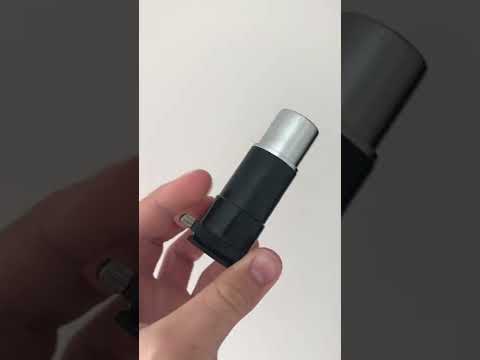
And let’s not forget eye pieces! Changing them out can vastly improve your viewing experience by letting in more detail or offering wider fields of view.
In terms of budget, good entry-level telescopes usually range from $100 to $500; while high-end models might run from $1,000 upwards depending on features and sizes.
So yeah, when choosing your telescope—think about what you want to observe most: landscapes of planets or distant galaxies? Each type has its strengths and weaknesses based on your interests and goals.
Remember this: stargazing isn’t just about what gear you have—it’s about enjoying those magical moments under the stars!
You know, there’s something really magical about looking up at the night sky. Remember the first time you saw the stars all twinkly and clear? For me, it was during a camping trip with my family. We drove far from the city lights, and when night fell, it felt like the universe opened up. I remember lying on my back on a blanket, mouth agape, just taking it all in. Now imagine having a simple telescope to peek deeper into that vastness.
Simple telescopes are like your best friend in astronomy. They’re not fancy or high-tech but they pack a punch of discovery! You can find these guys anywhere—from toy stores to online shops—pretty affordable too. What’s cool is that they give you a window into worlds we usually can’t see with our naked eyes.
Think of it this way: with just a little lens magic and some mirrors, you’ve got yourself an opening to Mars’ rusty surface or Saturn’s stunning rings! When I first pointed a small telescope at Jupiter and caught those moons dancing around it…it was like finding treasure!
Of course, it’s not all smooth sailing. Using a telescope can be tricky at first. You might fumble around trying to find your target or get frustrated when your view is shaky because you accidentally bumped it. But that’s part of the fun! It feels so rewarding when, after some trial and error, you finally get that clear view of something spectacular.
And what about those moments spent hunched over your telescope in chilly air? It’s almost meditative—there’s this sense of connection with something bigger than yourself. When you stop and think about how light from stars takes years (or even centuries) to reach us, it’s wild!
So yeah, whether you’re 8 or 80, these simple telescopes can spark curiosity and wonder in anyone. They remind us that there’s so much more out there waiting for us to explore—and isn’t that just beautiful?