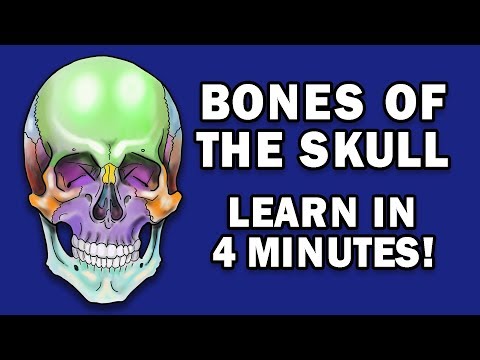
So, imagine this: you’re sitting at a dinner party. Someone cracks a joke about how the human skull is just an overachieving bone club. Like, who knew bones could have such personality, right?
But seriously, skull bones are way cooler than you might think. They’re not just there to hold your brain safe and keep your face from being flat. Nope! They actually play some wild roles in our lives.
You got your eye sockets, those little windows to the world, and let’s not forget about the jawbone that lets you chow down on pizza. Yum! What’s more is that these bones tell stories of our evolutionary past—like a secret diary written in calcium.
So yeah, let’s dive into how these bones shape us and do so much more than just look good on Halloween!
Exploring the Unique Features of Skull Bones: Insights into Cranial Anatomy and Functions
When we think about the skull, it’s easy to just see it as a protective case for our brains. But really, skull bones are a lot more than that. They have unique features and functions that are super important for our everyday lives. So, let’s break it down, shall we?
First off, the skull has two main parts: the cranium and the facial bones. The cranium is like a helmet that protects your brain, while the facial bones shape your face and help with functions like eating and speaking. Pretty neat!
One of the coolest things about skull bones is how they’re designed to fit together. They’re joined by tiny seams called sutures. These sutures make sure everything stays snug but also allow for some movement when you’re growing—like how babies have softer spots on their heads called fontanelles. Isn’t that wild? It’s nature’s way of helping the head fit through tricky birth canals.
Now let’s talk about air! Yup, some skull bones are hollow. These hollow spaces are called sinuses, and they’re basically pockets filled with air. They help lighten the weight of your skull and also play a role in your voice—ever noticed how singing can sound different when you have a cold? That’s because mucus builds up in those sinuses!
Oh, and don’t forget about how your skull helps you hear! The temporal bone, located on the sides of your head, houses parts of your ear. It contains structures that play crucial roles in hearing and balance. Ever taken a tumble? Your inner ear helps you get back on track!
You know what else is fascinating? The jawbone itself! The mandible (that’s fancy talk for jawbone) is pretty much the only movable bone in your skull. It works with your teeth to help you chew food properly. Imagine trying to eat without being able to bite down—yikes!
Lastly, cranial bones also protect vital vessels—the arteries supplying blood to your brain—and nerves connecting everything from facial expressions to smell perception. That’s why protecting your noggin is so important; it keeps everything functioning smoothly.
In sum, exploring these unique features of skull bones reveals just how complex and critical they are for human life. From protection and movement to sensation and even singing—our skulls truly deserve more recognition than they usually get! Isn’t it amazing how something so foundational can support so much of who we are?
Exploring the Significance of the Skull in Human Anatomy and Evolutionary Biology
Sure thing! The skull is a super cool part of our anatomy that tells us a lot about ourselves, from how we came to be to how our body works. So, let’s break it down.
Your Skull: A Protective Fortress
The skull is like a helmet for your brain. It’s made up of 22 bones that fit together in a jigsaw puzzle sort of way. These bones form a hard shell that keeps your precious brain safe from bumps and knocks, you know? Without it, well, things could get pretty messy.
Facial Features and Functionality
Beyond protection, the skull also gives shape to our face. The bones in the facial area help us chew, speak, and express emotions. Think about it: when you smile or frown, it’s all thanks to these facial bones moving in just the right way. Isn’t that neat?
Evolutionary Insights
Now here’s where it gets really interesting. Scientists study skulls not just of humans but also of our distant relatives and other primates. This helps them figure out how we evolved over millions of years. For instance, if you look at ancient skulls from early humans like *Homo habilis*, you’ll notice they had smaller brains compared to us today but still had similar facial structures.
- The Braincase: Our braincase has grown larger over time as human brains expanded.
- Prognathism: Early humans had more pronounced jaws, which indicates different eating habits.
- Cranial Sutures: The lines where skull bones meet can tell us about growth patterns and age.
Cultural Connections
The skull isn’t just about biology; it’s also played major roles in different cultures. Some societies have used skulls in art or rituals. They symbolize knowledge or wisdom—think of all those old legends where someone gains power or insight from a skull!
Anecdote Time!
I remember visiting a museum once with a close friend who was super into archaeology. We stood there awestruck by an exhibit of ancient hominid skulls. My friend pointed out features that showcased how adaptable our species is—how we’ve changed over time due to environment and needs. It was one of those moments where learning felt like this amazing discovery!
The Future of Skull Study
What’s wild is that researchers are using modern technology to scan and analyze skulls in ways we couldn’t even imagine before! They’re looking into how even slight changes in structure can reveal secrets about health and development.
So basically, the significance of the skull goes way beyond just being some hard piece on top of your shoulders. It’s rich with history, biology, culture—and it’s still keeping secrets waiting to be uncovered!
Exploring the Intriguing Connection Between Skull Bones and Brain Function in Humans
Alright, let’s chat about something that might seem a bit unusual but is super interesting: the connection between our skull bones and brain function. I mean, when you think about it, your skull is like this amazing protective helmet for your brain. But it’s more than just a hard barrier.
The skull is made up of several bones that join together, and these bones serve multiple roles. For one, they protect our brain from physical damage. Think about times you’ve bumped your head—your skull takes the hit instead of your precious brain! But there’s more going on here than just protection.
- Sensory Functions: Some skull bones help protect areas where our senses are located. Like the bones around your eyes keep them safe and play a role in how well you see!
- Affecting Brain Shape: The shape of your skull can actually influence how your brain develops. It’s like each part of the skull molds to the brain inside, helping direct how it grows.
- Brain Size and Capacity: Variations in these bones can also suggest differences in intelligence or cognitive ability. Bigger brains usually need bigger skulls!
You remember that time you tried to wear a hat that was too tight? It probably caused some discomfort because not enough space was given for your head to breathe, right? Well, if the skull doesn’t have adequate structure or shape due to issues like congenital disorders, it might affect how well the brain functions too.
This whole topic brings me back to a moment when I was volunteering at a local science fair. I watched kids light up when they learned about how their brains worked with their body parts—especially the skull! It’s cool when you see young minds making connections like this; it shows how crucial understanding our bodies really is.
But here’s something even cooler: recent studies are suggesting that sutures, which are basically joints between skull bones, may influence cognitive abilities as well as allow for growth during childhood. They remain flexible while you’re growing but become rigid over time. Imagine if they didn’t do this! If they stayed flexible forever, we’d have some serious problems with stability down the line.
The bottom line? The relationship between skull bones and brain function isn’t just about keeping everything safe; it’s also intricately linked to development and abilities throughout life. Your cranial structure plays an essential part in who you are mentally and physically!
If you take anything away from this chat, let it be this: next time someone talks about head injuries or brain health, remember that those humble little skull bones do more than just sit pretty—they’re key players in keeping our brains running smoothly!
You know, the skull is one of those things that we don’t really think about—until something goes wrong! It’s kind of like your phone; you take it for granted until it drops and the screen cracks. But when you stop to think about it, the skull is super interesting and plays such a vital role in our lives.
Let’s start with what makes up the skull. It’s not just one big bone; it’s actually a collection of different bones that fit together like a puzzle. There are 22 bones in total, and they protect our brain, which is like the control center for everything we do. I remember when I was a kid, I fell off my bike and hit my head pretty hard. I was freaked out because all I could think about was whether my brain was okay! Thankfully, my skull took the hit like a champ.
What’s even cooler is how these bones work together. They’re all fused in such a way that they provide strength and protection but also allow for some flexibility. Imagine being able to bend without breaking; that’s basically what our skull does when we move around! The top part, called the cranium, houses our brain while the face part is made up of several bones that create features like our eyes, nose, and mouth.
But it doesn’t end there! The skull also plays a role in other things, like hearing. Those little bones in your ear? They’re actually connected to your skull! This tiny chain of bones helps transmit sound vibrations—pretty nifty if you ask me.
And let’s not forget about how important these bones are for growth and development. When we’re babies, our skulls have soft spots called fontanelles which help them grow as we get older. It’s almost like they’re designed to adapt as we grow up!
So next time you feel that solid dome on top of your head or see someone sporting a cool hat over their cranium, just know there’s so much more going on than meets the eye—or should I say head? Our skull isn’t just some rigid shell; it’s an intricate part of who we are—protecting us while allowing us to interact with the world around us. It’s wild how something so seemingly simple can hold so much significance in our daily lives.