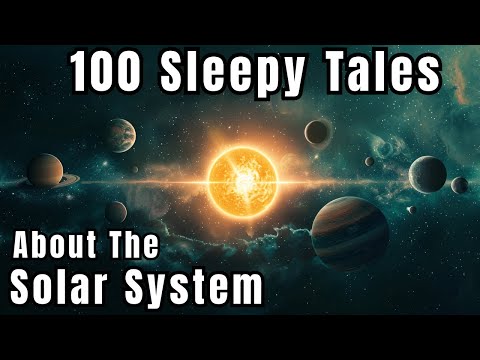
Alright, so picture this: you’re at a party, and someone starts talking about planets. You nod along, but then they mention asteroids, comets, and dwarf planets. Your eyes start to glaze over, right? But wait! Those little guys are way cooler than you might think!
I mean, did you know there are billions of asteroids just hanging out in the asteroid belt? Seriously! They’re like the quirky relatives of our solar system. Kind of oddball but totally fascinating.
Oh, and comets? They’re basically cosmic snowballs that shoot through space with tails that could rival any Hollywood blockbuster! Imagine if one of them swung by Earth—what a show that would be!
So yeah, let’s chat about these small bodies that hold so many secrets. They’ve got stories to tell, mysteries to unravel, and trust me, once you get into it, you won’t want to stop.
Exploring Small Solar System Bodies: Examples and Scientific Insights
Exploring Small Solar System Bodies is like embarking on a treasure hunt through space. When we talk about these small bodies, we’re really diving into a world filled with asteroids, comets, and even dwarf planets. They may be tiny compared to planets like Jupiter or Saturn, but they hold so many secrets about the history of our solar system.
Let’s start with **asteroids**. These rocky remnants are mostly found in the asteroid belt between Mars and Jupiter. They’re basically leftovers from the solar system’s formation about 4.6 billion years ago. Imagine forming a cake and having some bits that didn’t quite make it into the mix; that’s what asteroids are! One famous example is **Ceres**, which is the largest object in the asteroid belt and classified as a dwarf planet. Ceres intrigues scientists because it may have water ice beneath its surface, hinting at possibilities for past or even present life.
Then we have **comets**! Oh man, comets are like the wild cards of the solar system. They’re made of ice, dust, and rocky material—kind of a cosmic snowball hurtling through space. When they get close to the Sun, their surfaces heat up and release gas and dust, creating those stunning tails we all love to see in pictures. One famous comet is **Halley’s Comet**, which swings by Earth every 76 years or so. It really gets you thinking about how these ancient travelers might have brought water—and maybe even organic compounds—to early Earth.
Dwarf planets also deserve a shout-out! Besides Ceres, you’ve got **Pluto**, which was kicked out of planet club but still fascinates us with its moon Charon and its complex atmosphere. Scientists used to think Pluto was just this icy ball floating out there; now we know it has mountains made of ice and possibly even liquid water beneath its crust! Isn’t that mind-blowing?
There are also some pretty cool *trans-Neptunian objects* (TNOs) hanging out beyond Neptune—like **Eris**, which is another dwarf planet that’s slightly bigger than Pluto. Eris is almost too small to see with regular telescopes but incredibly important for understanding how our solar system developed further out.
Moreover, these small bodies can teach us about planetary formation and evolution since they haven’t changed much over billions of years—like looking at a fossil instead of an evolved animal! Scientists using telescopes and spacecraft continue to study them closely; missions like NASA’s OSIRIS-REx studied asteroid Bennu up close while bringing back samples for analysis!
In summary, exploring small solar system bodies gives us incredible insights into our cosmic backyard’s past. Each little rock or icy body tells us something new about where we came from—and who knows what other mysteries wait in the dark depths of space? So keep looking up at those stars; there’s so much wonder in our universe just waiting to be unraveled!
Unraveling the Biggest Mysteries of the Solar System: Insights from Modern Science
Our solar system is a treasure chest of mysteries, especially when it comes to the smaller bodies floating around. Think about it for a second—when you gaze up at the night sky, you’re seeing not just stars but also loads of fascinating stuff like asteroids, comets, and dwarf planets. These are the unsung heroes of the cosmos, and oh boy, do they have stories to tell!
First off, let’s talk asteroids. You know those rocky bits zipping around in space? Most of them chill in the asteroid belt between Mars and Jupiter. Yet, there are some that come pretty close to our planet, and that’s kind of spooky! Take Bennu, for instance; it’s a big hunk of rock that scientists think could potentially collide with Earth someday. Studying Bennu helps us understand not only the risks but also the building blocks of our solar system. It’s like looking back in time to when everything was formed!
Then we have comets. These icy wanderers are like cosmic snowballs made of gas, dust, and ice. Remember Comet Hale-Bopp? It lit up the sky back in ’97! What’s cool about comets is how they showcase the early solar system’s materials. When they get close to the sun, they start to release gases creating tails that stretch for millions of kilometers! Seriously amazing stuff.
And let’s not forget about those weird little dwarf planets. Ever heard of Pluto? It used to be considered a full-blown planet until it was reclassified as a dwarf planet in 2006. Crazy right? But Pluto still holds tons of secrets—like its strange heart-shaped glacier (called Sputnik Planitia) and its thin atmosphere! Scientists are still scratching their heads over how these features came to be.
Another interesting player is Eris, which sits out there way beyond Pluto. It’s even more massive than Pluto but isn’t called a planet because… well, who knows! Eris has become an essential piece in understanding what defines a planet versus a dwarf planet. Isn’t it wild how much can be learned from these small bodies?
Now let’s not skip over those moons—like Europa or Enceladus—which may hide oceans beneath icy surfaces. Think about this: life as we know it thrives around water on Earth, so if these moons have liquid water underneath their crusts, who knows what could be swimming around down there!
To top it all off, there are those bizarre formations found all over asteroids and comets—their surfaces often display craters and grooves that tell stories of collisions and erosion across eons. How cool is it that studying these small bodies helps us understand large-scale processes in our solar system?
So here’s where science steps in: missions like NASA’s OSIRIS-REx and Japan’s Hayabusa2 are gathering samples from asteroids so we can analyze these materials up close! This is huge for piecing together our cosmic history.
In short—and I really mean it—the tiny titans of our solar system pack immense power when it comes to revealing secrets about where we all came from. Each asteroid or comet acts as like a time capsule stretching back billions of years waiting for curious minds (that would be us) to unlock its wonders! How incredible is that?
Exploring the Mysteries of Planet 778,600,000: A Scientific Overview of Its Significance in Astronomy
So, let’s chat about this intriguing topic: **Planet 778,600,000**. Alright, I know what you’re thinking. That’s a very specific number, right? But here’s the thing—this isn’t a planet you’ll find on your average star chart or in textbooks. In fact, it doesn’t exist! It seems like we’re going on a little rabbit hole adventure through the mysteries of small bodies in our solar system instead.
Small Bodies and Their Mysteries
Let’s start with small celestial bodies. These include asteroids, comets, and dwarf planets. They might not be as glamorous as Jupiter or Saturn—those big gas giants that steal the show—but they’re just as essential for understanding our cosmic neighborhood.
- Asteroids: Many hang out in the Asteroid Belt between Mars and Jupiter. Some are just big rocks floating around while others have their own moons! Can you imagine a rock having a moon? Wild!
- Comets: These icy wanderers come from way beyond Pluto and can light up the night sky when they get close to the Sun. The tails they create are just spectacular! It’s like their way of saying “Hey, look at me!”
- Dwarf Planets: Not quite planets but still super cool! Pluto is the most famous one, but there’s also Eris and Haumea—each with its own story.
Now let’s dig deeper into why these small bodies matter so much in astronomy.
The Significance of Small Bodies
These tiny entities hold clues to our solar system’s history. Think about it: they’re like time capsules from when our solar system was young—around 4.5 billion years ago! That’s ancient! And studying them helps us piece together how everything came to be.
For example:
– They can tell us about how planets form.
– They could even reveal what materials were available back then—like space chemistry classes playfully unfolding in front of us!
Anecdote Time!
Once, I was stargazing in my backyard when I saw a shooting star—a comet burning up in Earth’s atmosphere! I couldn’t help but feel connected to something so ancient and mysterious. It made me reflect on how small we are compared to these vast celestial dramas unfolding all around us.
The Future of Exploration
Scientists aren’t done exploring these wonders yet either! Missions like NASA’s OSIRIS-REx aim to bring back samples from asteroids for study right here on Earth. Imagine holding something that left its mark billions of years ago.
In conclusion (oops!), I mean: this fascination with small bodies isn’t just for nerds—it truly connects all of us to our universe’s story and reminds us how dynamic space really is. So next time you’re out looking up at the stars, remember those little nuggets floating around up there are much more than rocks—they’re crucial pieces of our cosmic puzzle!
The solar system is, like, way more than just the big planets we hear about all the time. Seriously, it’s packed with these fascinating small bodies that are kind of like the unsung heroes of space. You’ve got asteroids, comets, and a whole bunch of other weird stuff just floating around out there. Each one’s got its own story, you know? It’s amazing to think about.
I remember as a kid, I used to look up at the stars and wonder what was out there. I’d stare at my little telescope and imagine all those tiny rocks and ice balls zipping around in the cosmic dance. It made me feel so small yet connected to something much larger than myself. Now that I’ve learned more about them, I’m even more fascinated!
Take asteroids. These rocky bodies are considered leftovers from when our solar system formed over 4 billion years ago—like ancient fossils floating in space! Some hang out in the asteroid belt between Mars and Jupiter while others make daring trips closer to Earth. But here’s where it gets interesting: scientists believe that studying these asteroids could give us insights into how planets formed and evolved! Imagine unearthing secrets from billions of years ago just by poking around in space.
And then there are comets, which honestly feel like little snowballs on a grand adventure. They’re mostly made of ice and dust, and when they get close to the Sun, they heat up and create those spectacular tails we see from Earth. The cool thing is that some scientists think comets might have brought water—and maybe even organic material—to Earth millions of years ago! Talk about cosmic delivery!
But it doesn’t stop there. Some dwarf planets like Pluto (yes, still a favorite!) hold mysteries too. There are new ones being discovered all the time in what we call the Kuiper Belt—a region beyond Neptune filled with icy objects that could tell us more about how our solar system looks now compared to its early days.
In a way, these small bodies remind us how much we still don’t know about our own backyard in space. They’re like puzzle pieces waiting to be put together! Every discovery reveals something new—sometimes surprising or confusing—and keeps us wondering what’s next.
It’s wild how much excitement can come from something so tiny compared to massive giants like Jupiter or Saturn. It makes you think: maybe it’s not always the biggest things that matter most; sometimes it’s those little guys full of secrets just waiting for someone curious enough to take a closer look!