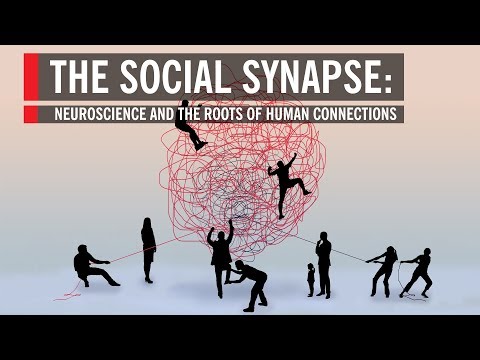
Imagine this: You’re at a party, right? You spot two friends having a deep chat. One’s animatedly talking about their latest obsession—flying squirrels! The other one’s nodding, completely entranced. Now, what’s happening in their brains right then?
We often think of social behavior as just people hanging out or chatting about random stuff. But there’s a whole neurological dance going on underneath it all, and it’s wild! Seriously, science is unlocking some mind-blowing connections between how we behave and what’s happening in our noggins.
You know those moments when you suddenly feel super connected to someone? Or when you vibe off each other’s emotions? That’s not just happenstance; there are brain signals zipping around like crazy! So let’s take a peek at this fascinating intersection of social behavior and neurology. It’s like getting a backstage pass to the human experience—exciting stuff ahead!
Exploring the Intersection of Neuroscience and Social Behavioral Science: A Comprehensive Analysis
So, let’s talk about this fascinating mashup of **neuroscience** and **social behavior science**. Picture it like mixing chocolate and peanut butter—both sweet on their own, but together? Magical!
Neuroscience focuses on the brain and its connections. It dives deep into how our neurons fire up in response to everything we do and feel. On the flip side, social behavior science studies how we interact with each other—our relationships, communication styles, and, well, why we humans tend to act the way we do in groups.
Now, when you combine these two fields, it opens up a whole new world of understanding. For instance:
- Empathy: Neuroscience has shown that when you see someone else in pain or joy, certain areas of your brain light up as if you’re feeling those emotions yourself. This helps explain why empathy is so central to our social interactions.
- Group Dynamics: The neural processes involved in systemic behaviors can illustrate why people conform in social settings. It’s all about how our brains respond to the presence of others.
I remember reading about a study where researchers scanned people’s brains while they interacted with a friend versus a stranger. The results were pretty wild! They found that the brain activity was distinctly different between these relationships. With friends, the brain showed greater activation in areas linked to positive emotions and trust—pretty neat, huh?
Also, think about how stress works socially. When you’re stressed out in a crowd—maybe public speaking or during exams—your body releases hormones like cortisol. This affects not just your mental state but also how you behave socially—the way you interact or avoid contact can change drastically.
- Decision Making: Social behavior models often incorporate neuroscience to explain choices influenced by group settings. Imagine being at a restaurant with friends; your choice is probably swayed by what others order!
- Cultural Influences: Our brains are also wired by cultural norms which shape social behaviors across different communities.
Another interesting angle is addiction research. Neuroscience digs into how addiction affects brain structure and function while social behavior scientists explore how peer pressure influences substance use among teens. It’s like this feedback loop—our brains influence our choices, which then affect our social environments.
And let’s not skip emotional intelligence! Studies have shown that people who can read emotional cues tend to have different neurological responses than those who struggle with it. Developing emotional skills can lead directly back to changes in brain structure over time.
In short, the intersection of these two sciences tells us so much about what makes us tick as social beings—not just at an individual level but as entire societies! You follow me? It’s all connected, weaving through memories and experiences shaped by both our biology and interactions with others.
So next time you’re navigating through a group chat or dealing with an emotional moment at work or school? Remember there’s a lot more going on behind those scenes than just surface-level reactions—you’re riding waves created from years of evolution blending brain functions with behavior patterns!
Exploring the Connection Between Neuroscience and Human Behavior: Insights from the Science of Mind and Action
The connection between neuroscience and human behavior is like a fascinating puzzle. You know, the brain’s this complex organ that controls everything we do. It’s not just about thinking and emotions but also about our actions in social situations. Think about that time you felt happy when a friend surprised you with your favorite snack. Your brain had a lot going on there!
So, what’s the deal with neuroscience? At its core, it studies how our nervous system works—especially the brain. It dives into how nerve cells communicate through tiny electrical impulses and chemical signals. These interactions drive our behavior, influencing choices, reactions, and social dynamics.
Now let’s talk about social behavior. It’s all those little things we do as we interact with others—like sharing a laugh or comforting someone who’s upset. Our brains are hardwired for social connections; it’s in our nature! Research has shown that certain areas of the brain light up when we engage socially. For example:
- The amygdala, which plays a key role in processing emotions.
- The prefrontal cortex, important for decision-making and managing social interactions.
- The insula, linked to empathy and understanding others’ feelings.
Here’s a cool thing: mirror neurons! These magical little cells help us understand what someone else is feeling by mirroring their actions or emotions in our brains. So when you see someone smile, your brain responds as if you’re smiling too! Isn’t that neat? This mirroring can enhance empathy and strengthen social bonds.
But emotions aren’t the only thing at play here. Neuroscience also gives us insights into behaviors like aggression or cooperation—key components of how we get along (or don’t) with others. For instance, studies show that when people feel threatened, their brains trigger fight-or-flight responses. That rush of adrenaline can lead to aggressive behavior—a survival instinct wired deep within us.
And let’s not forget about culture! Different social settings can shape neurological pathways over time. For example, in individualistic cultures (like the U.S.), people might focus more on personal achievement. In contrast, collectivist cultures (like many Asian countries) often emphasize community and family ties—influencing how their brains prioritize relationships.
It’s also fascinating looking at conditions like autism spectrum disorder (ASD). Research suggests variations in neural connectivity might contribute to unique social behaviors seen in individuals with ASD. This sheds light on why some might find it challenging to connect socially while others may have intense interests or skills.
In summary, exploring neuroscience isn’t just an academic exercise; it’s about getting to know ourselves better—understanding why we feel what we feel and act the way we act among other people. Every tiny synapse firing helps explain those big pieces of who we are as social beings navigating this wild world together!
Exploring the Neurobiology of Social Behavior: Insights from Neuroscience Research
Have you ever thought about how our brains shape the way we interact with each other? The field of neuroscience dives deep into this question, uncovering the neurobiology of social behavior. Basically, it’s all about understanding how our brain functions influence how we connect with others. And it turns out, there’s a lot going on up there!
The brain has various regions dedicated to different aspects of social behavior. For instance, the amygdala is like your emotional alarm system. It helps you recognize faces and react to social cues, which is super important for making friends or figuring out who to avoid at a party.
Then there’s the prefrontal cortex, which plays a big role in decision-making and impulse control. Ever done something embarrassing in front of a crowd and wondered why? Yeah, that might be your prefrontal cortex acting up! It helps us think before we act and understand complex social dynamics.
You might find it interesting that certain brain chemicals also have a huge impact on how we behave socially. Take oxytocin, for example. Often dubbed the “love hormone,” it’s released during bonding activities like hugging or cuddling your pet. Research shows that oxytocin can enhance trust and empathy, making it easier to connect with others.
But wait! It’s not just about happiness and bonding. There are studies involving patients with conditions like autism spectrum disorder (ASD) that reveal just how different their brain connectivity can be when it comes to social behaviors. Some areas may be underactive or overactive compared to neurotypical individuals, which can make social interactions feel more challenging.
You may have heard of mirror neurons too! These are special brain cells that fire both when you perform an action and when you see someone else do it. They’re thought to play a crucial role in empathy—like when you see someone stub their toe and wince; your mirror neurons kind of “feel” that pain too!
The interactions between our biology and behaviors don’t stop there! Environmental factors like culture, upbringing, and even our individual experiences shape these neural pathways as well. Think about how growing up in a close-knit community can change your views on friendships compared to someone from a more distant background.
The fascinating thing is that our brains are constantly evolving based on these interactions—it’s called neuroplasticity! So if you’re feeling socially awkward right now? With practice and experience, your brain can help you improve those skills over time.
In essence, researching the neurobiology of social behavior opens up new worlds for understanding ourselves—how we connect, empathize, or even clash with one another. It’s wild to see how much happens behind the scenes whenever you strike up a conversation or share a laugh!
- Amygdala: Recognizes faces & emotional responses.
- Prefrontal Cortex: Decision-making & impulse control.
- Oxytocin: Enhances trust & bonding behaviors.
- Mirror Neurons: Help us empathize with others’ actions.
- Neuroplasticity: Our brains adapt based on experiences.
You see? The intersection of social behavior and neuroscience isn’t just some dry academic topic—it touches every part of our daily lives!
You know, when we talk about how we act in society, it’s super interesting to think about what’s going on in our brains while we’re doing it. Like, have you ever been in a crowded place and felt this sudden urge to be part of a group? That’s not just you being social; there’s actual brain science behind it!
Take, for example, the last family gathering I went to. My cousin was chatting up a storm with everyone. It made me realize how connected we all are. But here’s the kicker: our brains are wired for that connection! There are these little chemicals called neurotransmitters that help us feel empathy and build social bonds. When you laugh with friends or share a moment of understanding, your brain releases stuff like oxytocin, which makes you feel good and closer to people. Crazy, huh?
Sometimes it feels like our social behavior kinda dances around what our neurons are doing. Think about how different environments can change how we act. If you’re at a party with loud music and lots of people, your behavior might be way different than if you’re chilling alone at home with a book. The brain’s picking up on those cues—like “This is fun!” or “I need to be cautious.” It shapes everything!
And let’s not forget about those moments when your instincts kick in. You know when you catch yourself being nice to someone even if they’ve rubbed you the wrong way? Your brain is throwing down some empathy right there! It’s fascinating how intertwined social behavior and neurological science actually are.
Sure, it can feel overwhelming sometimes—like figuring out why someone reacts in a certain way can lead us down rabbit holes of psychology and biology. But that makes us human! We’re part of this huge network where emotions ripple through our brains and affect everyone around us.
So yeah, reflecting on how social behavior connects with neuroscience shows just how complex and beautiful human interactions can be. It reminds me that while we may act differently based on environments or experiences, at the end of the day, there’s always something deeper happening inside our heads that ties us together as individuals navigating this wild ride called life.