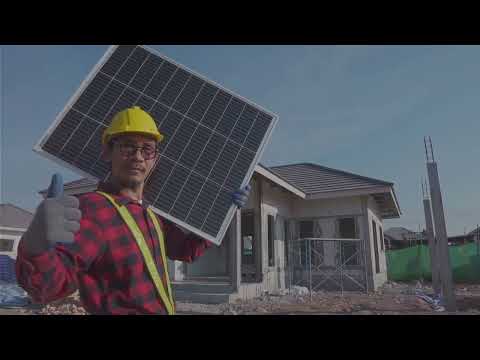
You know that feeling when you step outside on a sunny day? Everything just seems brighter, right? Well, it turns out that there’s a lot more happening in those rays than just warming your skin.
Picture this: An entire field full of shiny panels just soaking up the sun like a bunch of lazy cats napping on the porch. Yup! That’s what solar stations do. They catch sunlight and transform it into energy we can use. It’s like turning sunshine into power—how cool is that?
So, if you’ve ever been curious about how we’re harnessing all that brilliant sunlight, let’s chat about it! There’s some pretty awesome science behind those solar stations. Trust me, it’s not as complicated as it sounds!
Understanding the Science of Harnessing Solar Energy: Definition and Implications for a Sustainable Future
So, let’s chat about solar energy! You know, that bright stuff from the sun? It seems like everyone’s buzzing about it lately. Harnessing solar energy is basically using sunlight to create power. Sounds simple, right? But there’s a whole science behind turning those sun rays into electricity.
First off, how does it work? Well, it all comes down to something called photovoltaic cells. These little champs are usually made of silicon. When sunlight hits these cells, it knocks electrons loose from their atoms. Imagine tiny marbles bouncing around! This movement creates a flow of electricity. That’s what we call direct current (DC) electricity.
Now, here’s where it gets interesting. The DC electricity has to be converted into alternating current (AC) so that you can use it in your home. That’s where a nifty little device called an inverter steps in. Think of it as the translator between the sun and your toaster!
But wait, there’s more! There are different types of solar energy systems out there:
- Grid-tied systems: These connect to the public electric grid. When you produce more energy than you use, that excess goes back to the grid, and you often earn credits for it!
- Off-grid systems: Perfect for remote areas where connecting to the grid isn’t practical. These systems store energy in batteries for later use.
- Hybrid systems: A mix between grid-tied and off-grid, combining batteries with a grid connection.
Each type has its own benefits and challenges depending on where you live and what your needs are.
Now let’s talk implications—this is where it gets super exciting! By harnessing solar energy on a large scale at places like solar stations or farms, we have the potential to tackle some big issues:
1. **Reducing carbon emissions**: Solar power generates no direct emissions during operation, which helps combat climate change.
2. **Energy independence**: Using our own sunshine means less dependence on fossil fuels from other countries.
3. **Job creation**: The booming solar industry opens up new job opportunities in manufacturing, installation, and maintenance.
4. **Sustainability**: Solar energy is renewable; it’s not going anywhere as long as the sun shines!
I remember visiting a small town with an impressive solar farm once; it was awe-inspiring seeing row upon row of shiny panels soaking up rays. The locals shared how their electric bills had dropped significantly since switching to solar power—talk about having sunshine literally pay off!
However—and this is important—the transition isn’t without challenges. There are issues like reliance on weather patterns and the need for proper storage solutions when producing excess energy during sunny days but using less on cloudy ones.
In summary, harnessing solar energy isn’t just about turning sunlight into electricity; it’s about paving the way for a cleaner future. And every bit of progress we make with technology brings us closer to that goal! So next time you catch some rays outside or see those panels glinting in the distance, remember there’s some serious science making all that possible!
Understanding the Conversion of Solar Energy into Electricity: A Scientific Overview
So, you’re curious about how we turn sunshine into electricity? That’s pretty cool! Let’s break this down in a straightforward way. It’s all about harnessing solar energy using some nifty science.
Solar panels are the stars of this show. They’re usually made of silicon, a material that can absorb sunlight and convert it into electricity. When the sun hits the panels, it knocks electrons loose from their atoms. Picture them, like little marbles rolling around—once they’re free, they start to move.
This movement creates an electric current. To give you a clearer picture: think of it like water flowing through a pipe. The electrons flow through the solar panel and then into your home like water from a tap!
Now, there are two main types of solar panels: monocrystalline and polycrystalline. Monocrystalline panels are more efficient but cost a bit more. Polycrystalline ones are less expensive but not quite as efficient at converting sunlight to electricity. It’s kind of like choosing between an iPhone and a regular phone—you get what you pay for!
But wait, there’s more! To really make this system sing, we need something called an inverter. This device takes the direct current (DC) produced by the solar panels and converts it to alternating current (AC), which is what most homes use. So without an inverter, your solar energy wouldn’t be very useful at home!
What’s super interesting is how these systems can operate even on cloudy days! They still capture scattered sunlight; it just might not be as much as on sunny days. So if you ever thought cloudy weather ruined your solar power potential—think again!
Also, when looking at large-scale power generation—that’s where things get even cooler! Solar stations can cover lots of land with tons of panels creating megawatts of power for cities. These large setups sometimes use mirrors instead of traditional panels—this is called concentrated solar power (CSP). Basically, mirrors focus sunlight onto a small area that heats up fluid to create steam for turning turbines and generating electricity.
And here’s another fun fact: recycling old solar panels isn’t just smart; it’s necessary as we head toward more sustainable solutions. Remember that marbles image? When those marbles wear out or break, we don’t want them just sitting around forever!
So yeah, converting solar energy to electricity isn’t just about slapping some panels on roofs; it’s layered with technology and science that together harness the sun’s power in ways that can really help us cut down on pollution and energy costs.
In summary:
- Solar Panels: Made mainly from silicon; they absorb sunlight.
- Electricity Generation: Sunlight knocks electrons loose which flow out as an electric current.
- Types: Monocrystalline vs polycrystalline—different efficiencies and costs.
- Inverters: Convert DC to AC so the electricity can be used at home.
- CSP Technology: Uses mirrors to focus sunlight for large-scale electricity generation.
- Recycling: Important for sustainability as old panels wear out over time.
So next time you see those shiny panels on rooftops or in fields, remember—they’re working hard to turn sunshine into something incredibly useful! How cool is that?
Exploring the Scientific Advantages of Solar Energy: A Sustainable Future
Sure thing! Let’s talk about solar energy and why it’s so cool scientifically. Seriously, it’s like the sun is this big, glowing ball of opportunity in the sky, just waiting to light up our world—literally!
Sunlight that hits the Earth has a ton of potential energy. Like, imagine all that power just streaming down to us, and we can actually tap into it. Solar energy relies on photovoltaic cells, which are made of special materials that turn sunlight directly into electricity. These cells are basically little miracles. You know how plants turn sunlight into food through photosynthesis? Well, solar panels do a kind of reverse thing where they take sunlight and convert it into usable energy.
When we talk about solar stations or farms, these places are filled with rows and rows of these panels soaking up the sun’s rays. Here’s a fun tidbit: even on cloudy days, solar panels can still generate electricity! They’re not totally dependent on direct sunlight; they can work with diffused light too. That’s pretty neat if you ask me.
Now, let’s get into some enticing reasons why using solar energy is awesome:
- Renewable Source: The sun isn’t going anywhere anytime soon. It’s expected to keep shining for millions of years!
- Reduces Electricity Bills: When you use solar energy, you’re often generating your own power. This means lower bills—yes please!
- Low Environmental Impact: Unlike fossil fuels that create pollution and are bad for our planet, solar power produces clean energy without harmful emissions.
And speaking of impacts, I remember when my friend decided to install solar panels on her roof. She was nervous at first—like would it really make a difference? But after just a few months, she noticed her bill drop significantly! It felt like winning a mini lottery every month when those savings rolled in.
Also, let’s talk tech for a sec—solar technology keeps getting better and better! New materials like perovskite cells are being developed; they promise even higher efficiencies than traditional silicon-based cells. That means even more electricity from the same amount of sunlight while being cheaper to produce!
You might wonder about storage systems too since the sun doesn’t shine 24/7. That’s where batteries come in handy! They store excess energy produced during sunny days to be used later when the lights go out or when it’s just dark outside.
So yeah, harnessing sunlight isn’t just smart; it’s essential for creating a sustainable future. With climate change knocking on our door and finite resources running low, turning our gaze toward renewable energy sources like solar feels like a responsible choice we all should consider more seriously.
In short? Keep looking up at that bright sun above—we’ve got some serious potential right there waiting for us to grab hold!
Imagine waking up to a sunny morning, the warmth of the sun kissing your skin. Feels pretty nice, right? Well, that beautiful sunlight is actually harnessed in some pretty cool ways to power our lives. Yeah, I’m talking about solar stations!
So, here’s the deal: Solar stations are designed to catch sunlight and turn it into electricity. It’s like having a giant sponge that soaks up sun rays and squeezes out energy. You might have seen those shiny solar panels on roofs or in big fields. Those panels are made up of tiny bits called photovoltaic cells. These cells are like little superheroes; they take sunlight and use it to generate electrical energy.
But let’s slow down for a second. You know what? I remember visiting my grandparents when I was a kid. They had this big greenhouse filled with plants soaking up all that sunshine. They swore by it! It wasn’t just because of the plants; they loved how the greenhouse warmed up without needing heaters. That simple idea of capturing sunlight for warmth feels connected to what solar stations do—just on a much bigger scale.
Now back to the science part! When sunlight hits those photovoltaic cells, it’s like giving them a gentle nudge. This nudge causes electrons (the tiny particles that help carry electricity) to jump around, creating an electric current. Pretty neat, huh? And then that current can be used for everything from powering your fridge to lighting up your neighborhood.
But hold on! There’s more! The electricity generated can either be used right away or stored in batteries for later use—like saving some sunshine for a rainy day, if you catch my drift.
So why bother with all this? Well, apart from being eco-friendly and reducing our dependence on fossil fuels (those nasty carbon-emitting culprits), harnessing sunlight helps lower electricity bills too! Plus, when more folks invest in solar energy, we create jobs and boost local economies. Win-win!
But wait! Just like anything new and shiny in life, it doesn’t come without challenges—like figuring out how to power homes at night or during cloudy days until there are better energy storage options.
Anyway, what I’m getting at is that solar stations remind us of our relationship with nature. We can embrace the sun’s gifts while being mindful of how we produce energy for ourselves—something that’s crucial as we think about our planet’s future.
So next time you’re basking in the sun or just chilling under its glow, think about all those solar panels working hard behind-the-scenes to transform that warmth into something tangible and useful! Pretty inspiring if you ask me!