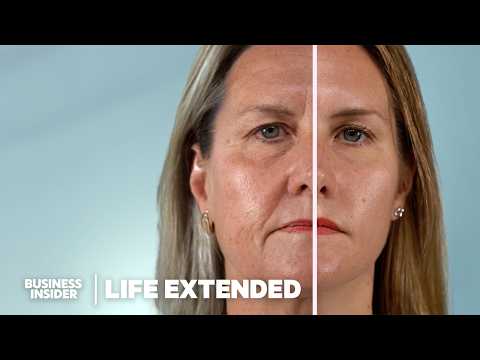
So, picture this: you’re at a family reunion and your great-aunt Edna walks in. She’s 89 but still has the energy of a toddler after too much sugar. Seriously, she starts telling everyone about her adventures skydiving last summer. Wild, right?
Now, aging is one of those things we all experience, but it can feel like a mystery wrapped in an enigma. Scientists are diving deep into the whole aging thing. It’s not just about getting older; it’s about how we can live our best lives longer.
Every day, new research comes out that shakes up how we think about getting old. From the science of cell regeneration to breakthroughs in health tech, there’s so much happening! And it’s not just in labs—there’s a lot of cool outreach going on that makes this info accessible for everyone.
So let’s chat about these advancements! We can all learn something from them—maybe even pick up a few tips on how to be more like Aunt Edna!
Exploring the Latest Anti-Aging Breakthroughs: Innovations in Scientific Research
So, anti-aging research, huh? It’s pretty wild what science is uncovering these days. Imagine if we could actually slow down or maybe even reverse the aging process. Sounds like something out of a sci-fi flick, right? But it’s not just a pipe dream anymore. Let’s dig into some exciting breakthroughs that scientists are exploring.
First up, telomeres. These little caps at the end of our chromosomes are kind of like the plastic tips on shoelaces—they protect our DNA. Each time a cell divides, telomeres get shorter, and when they become too short, cells stop dividing. That’s where aging kicks in. Researchers are studying ways to lengthen or maintain telomeres, which could help cells keep dividing longer and healthier. It’s like trying to keep those shoelace tips intact for as long as possible!
Another fascinating area is senescent cells. These are the cells that have kind of given up—they don’t divide anymore but also don’t die off when they’re supposed to. They hang around and release all sorts of stuff that can cause inflammation and other issues—think of them as grumpy old folks in a community! Scientists are working on “senolytics,” drugs designed to clear these cranky cells out. Early studies have shown promise in mice, helping them stay spry longer.
And then there’s the connection between diet and aging. You’ve probably heard about that Mediterranean diet being all the rage for health benefits, right? Well, researchers found that certain diets can activate longevity genes called sirtuins. These genes help regulate cellular health and make it easier for your body to manage stress better. It’s like giving your body’s systems a boost!
Let’s also talk about stem cell therapy. This is an area that still feels a bit like magic but is grounded in solid science! Scientists are exploring how stem cells can regenerate tissue and organs as we age. Think about it: if we could replace old or damaged tissues with fresh ones from our own stem cells—wow! That might really change how we handle age-related ailments.
So yeah, there’s even buzz around gene editing technologies, like CRISPR (cool name, right?). This tech lets scientists tweak DNA precisely and aim at genes linked to aging diseases like Alzheimer’s or cardiovascular issues. Imagine correcting genetic problems before they ever manifest! Pretty groundbreaking.
However—here’s where it gets real—while these advancements sound super promising, most of them are still in research stages or animal testing phases. The road from lab discovery to human treatments takes time—years sometimes! So patience will be key while scientists get their findings refined and ready for us.
In the meantime, just living life well—eating healthy foods, staying active, managing stress—isn’t such a bad plan either! After all this scientific exploration into anti-aging gives us hope but doesn’t replace good ol’ fashioned self-care!
So there you have it—a peek into some cutting-edge innovations happening in anti-aging research today! Isn’t science just fascinating?
Key Dimensions of Successful Aging: An Examination of Four Primary Assessment Areas in Gerontology
So, let’s talk about aging, not just like the number of candles on your birthday cake, but what really makes a difference in how we grow older and thrive. You know, it’s not all doom and gloom; there’s some pretty interesting stuff going on in gerontology. Researchers have zeroed in on some key dimensions of successful aging. Basically, they’ve identified four main areas that help assess how well someone is aging.
1. Physical Health: First things first—your body. Physical health is super important when we’re looking at aging successfully. It’s about keeping active and feeling good physically. Regular exercise can make a world of difference! Think about it: staying strong means you can doing the activities you love—like gardening or hiking with friends. Plus, good nutrition plays a role too; fueling your body with the right foods keeps everything running smoothly.
2. Mental Health: Next up is mental health. Seriously, your brain needs love too! Aging doesn’t just mean our bodies slow down; if we’re not careful, our minds can fog over as well. Engaging in puzzles, reading, or even learning something new keeps your mind sharp as a tack! Emotional wellbeing is part of this too—having supportive relationships can uplift you and keep those blues away.
3. Social Engagement: Now let’s talk social stuff—or what some might call “having a life.” Staying connected with family and friends does wonders for our overall happiness as we age. Whether it’s through clubs, volunteering, or just catching up over coffee, interaction matters! Research suggests that those who are socially engaged have better cognitive function and even live longer.
4. Functional Ability: Lastly, we’ve got functional ability—basically how well you can do daily tasks on your own. This means things like getting dressed without help or preparing your favorite meal (without burning it!). Keeping that independence is key to feeling fulfilled in life! There are tons of assistive technologies making this easier now—they’ve come a long way!
So yeah, aging isn’t just about getting older; it’s also about how well we manage these four areas. If we focus on physical health, mental wellbeing and keeping our social circles wide while nurturing our independence—it can totally transform what growing old looks like for us all! These insights from gerontology researchers remind us that age is just a number; it’s how we live each day that really counts!
Exploring Emerging Technologies in Science to Enhance Quality of Life for the Aging Population
Alright, let’s chat about how science is stepping up its game to help out our aging population. You know, with billions of people around the world getting older, there’s a real push to make sure they’re living their best, healthiest lives. Seriously, advancements in technology are totally blowing minds recently!
One big player in this space is telemedicine. You’ve probably heard about it—doctors chatting with patients over video calls. It’s super convenient! Imagine an elderly person who struggles to get out due to mobility issues. Instead of wrestling with transport or waiting in a crowded office, they can just sit in their comfy chair and talk to their doctor right from home. How cool is that?
Then there’s wearable technology. Think smartwatches or fitness trackers that monitor things like heart rate and steps taken. These gadgets can be game-changers for seniors. For example, if a device notices a sudden drop in activity levels or anything odd with their heart rate, it can alert caregivers or even medical professionals straight away. Talk about peace of mind!
Robots are also entering the scene in some pretty fascinating ways. Picture this: companion robots designed specifically for seniors! They provide social interaction and even remind folks to take their medication on time. There was a study where seniors reported feeling less lonely when they had these cute little robots hanging around. It just brings a smile to your face thinking about it.
Smart home technology is another area that’s making waves. Imagine homes that can sense when someone has fallen or needs assistance—sensors detect movement (or lack thereof) and send alerts automatically! This tech helps maintain independence while keeping safety levels high, which is huge for aging folks who want to stay in their own homes.
You know what else? Researchers are looking into gene therapy. Yep! They’re finding ways to actually modify genes associated with certain age-related diseases like Alzheimer’s or cardiovascular issues. While it’s still mostly in labs at this point, the potential here could seriously change the game for future generations.
Virtual reality (VR), believe it or not, is being used as well! Seniors can immerse themselves in experiences they might not be able to enjoy anymore—like taking a walk through a park or visiting far-off places without leaving their living room! Some places use this tech for therapy too; it helps those dealing with anxiety or depression by creating calm environments.
And let’s not forget community outreach programs. Programs focusing on digital literacy help older adults get comfortable using these new technologies so they don’t feel left behind. It’s all about bridging that gap between age and tech—everyone deserves access!
You see? With each new breakthrough, the goal remains clear: enhance quality of life for our older generations and empower them to live vibrantly and independently as long as possible.
The future looks brighter than ever! We have an exciting road ahead when science meets care for our aging population.
You know, when you think about aging, it’s like this inevitable journey we all take, right? I mean, we notice it in ourselves and our loved ones. Every wrinkle tells a story; every gray hair is a badge of honor. But here’s the thing: science is really stepping up its game when it comes to aging research. It feels almost like a race against time, where researchers are constantly trying to crack the code of what makes us age and how we might slow that process down—or even flip it around a little.
I remember my grandmother sitting in her favorite rocking chair, sharing stories of her youth while knitting a scarf that somehow never seemed to get longer. She had this sparkle in her eye despite being well into her 80s. It made me wonder: how can some people age gracefully while others struggle? That curiosity led me down this rabbit hole of research on aging, and wow, the advancements are pretty mind-blowing.
Researchers are diving deep into the cellular level of aging now. They’re investigating telomeres—those little caps at the ends of our chromosomes that shorten as we age—and how they might be linked to longevity and health. Imagine if we could find ways to maintain those caps or even reverse their shortening! There’s talk about senescent cells too—those are basically cells that stop dividing but don’t die off. They can cause all sorts of problems as they accumulate over time.
But it’s not just lab coats and microscopes doing the heavy lifting here. Scientific outreach is playing a massive role too! You’d be amazed by how many organizations are dedicated to spreading knowledge about aging and healthy lifestyles. Workshops, community talks, social media campaigns—you name it! It helps make complex scientific findings more digestible for everyone.
That connection is crucial because let’s face it: if this knowledge stays locked away in academic journals or fancy conferences, what good does that do? Sharing these insights can empower people to take charge of their health as they age. And honestly, who doesn’t want to live their best life at any age?
So yeah, advancements in aging research combined with genuine outreach efforts are lighting up possibilities that once seemed like fantasy. And you know what? That gives me hope—not just for myself but for everyone who wishes to embrace getting older with grace and joy instead of dread! Even as we rant about getting older sometimes (thanks for nothing achy knees!), there’s something beautiful in knowing that science is working hard behind the scenes towards a future where aging could feel less daunting and more like a continuation of life’s adventure!