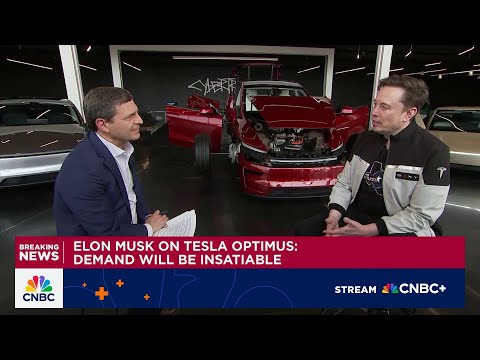
So, I was scrolling through my feed the other day, and I stumbled upon this video of a robot trying to dance. It was like watching a toddler on roller skates—adorably awkward! Seriously, you had to see it. But here’s the kicker: that robot was a prototype for the Tesla Bot.
Yeah, Tesla is branching out from electric cars to robots now. Wild, huh? Imagine having a personal assistant that can do your chores or even have some goofy dance battles with you.
The thing is, robotics and AI are evolving faster than I can finish my morning coffee. And when you throw Tesla into the mix? Well, let’s just say things are getting interesting! Buckle up; we’re about to explore what this all means and how it could impact our lives.
Exploring the Future of Mobility: Is the Tesla Robotaxi a Scientific Reality?
So, let’s talk about the whole idea of the Tesla Robotaxi and what it means for the future of mobility. The concept sounds super cool, right? Imagine hopping into a car that drives itself, no driver at all! It’s like something out of a sci-fi movie. But how real is it? And what’s behind all this buzz?
First off, you’ve probably heard about the **Tesla Bot**, which aims to enhance robotics and AI technology. The Bot is designed to handle a bunch of tasks that might be considered boring or even dangerous for humans. Think about it like this: while you might not want to lug around heavy groceries, a robot could do it easily. Not only does this showcase advancements in robotics, but these developments are also feeding into Tesla’s mission with their Robotaxi.
Now, when we chat about **mobility**, we’re really talking about how people and goods move from one place to another. Traditional cars are limited by so many factors—traffic jams, human errors, parking issues…you get the idea. Self-driving cars aim to change all that by using sensors and AI algorithms to navigate roads safely and efficiently.
Basically, Tesla is betting big on this self-driving tech with their Robotaxi concept. They think that one day you could summon a car from your phone, and it would show up at your door without any human behind the wheel. Imagine chilling out while your ride zips you around town!
Now let’s explore some key points regarding the scientific reality of all this:
- AI and Machine Learning: At the core of self-driving tech is AI that learns from data.
- Sensors: Cars use cameras, radar, and lidar to “see” their surroundings.
- Safety: Reducing accidents is a major goal—AI can react faster than humans.
- Laws and Regulations: There are plenty of hurdles with laws needing updates for robotaxis.
Here’s where it gets tricky: Sure, self-driving technology has made some serious strides in recent years; however, there are still challenges ahead. For instance, think about weather conditions like rain or snow—those can throw off sensors pretty easily! Plus—oh boy—the legal side of things is complicated too. Who’s responsible if an accident occurs with a driverless car? That’s still up in the air.
Looking at real-life examples can help clarify things too! Companies like Waymo have already launched self-driving ride-hailing services in some areas. But they’re facing stiff competition from Tesla; they each have different approaches toward autonomy.
The mix of advancements in robotics and AI really does have potential for revolutionizing transportation—so much so that some cities are exploring dedicated lanes just for autonomous vehicles! How cool would that be?
So yeah, whether or not we’ll see Tesla Robotaxis cruising city streets anytime soon remains uncertain (fingers crossed!). Still though: every day brings us closer as scientists work hard towards creating tech that’s safe and effective.
As we look forward into this future of mobility—a world where you might just hop into a car without worrying about driving—it’s exciting yet humbling too! Let’s keep our eyes peeled on how things unfold in the next few years.
Exploring the Cost of Tesla’s Advanced Robotics: A Comprehensive Analysis of Elon Musk’s Innovative Automation Solutions
So, let’s chat about Tesla’s robotics, especially the Tesla Bot, shall we? I mean, Elon Musk is really shaking things up with his ideas around automation and AI. If you’re curious about how all this fancy tech works and what it costs, stick around.
First off, the Tesla Bot, also known as Optimus, is designed to take on repetitive tasks. Imagine having a robot that can help out around the house or assist in factories. How cool would that be? The goal here is to free up human workers for more complex jobs while letting robots handle the boring stuff. Now isn’t that something?
The development costs for creating advanced robotics like the Tesla Bot can be pretty staggering. Just think of all the research and development needed to make a robot that can navigate in human environments safely. It takes money to pay engineers, software developers, and researchers who work on complex algorithms. Not to mention the materials involved! Building these bots with sensors and AI capabilities isn’t cheap.
In terms of technological advancements, Musk has claimed the Tesla Bot will use much of the same technology found in their vehicles. We’re talking about advanced computer vision for detecting objects and navigating spaces—pretty nifty stuff! So you could say there’s some good synergy between their cars and these bots.
If you look at
, automating certain tasks could lead to significant savings in labor costs over time. Robots don’t need breaks or vacations! However, there’s an upfront investment that companies like Tesla have to deal with initially before those savings really kick in.
Now let’s not forget about the ethical concerns. As amazing as robots can be, there’s quite a discussion going on about how this affects jobs. Sure, robots can do mundane tasks well but what happens to people whose jobs are replaced? It’s a delicate balance between progress and job security.
And speaking of balance—considering how quickly tech moves nowadays means that this cost analysis needs constant updating. You know how it is; one moment you’re looking at one price tag for components like processors or sensors, and then boom! Prices change due to market demand or new innovations hitting the shelves.
Another factor is
. Once these bots are out there doing their thing, they’ll need upkeep just like your car does. Who’s gonna pay for those repairs? Depending on how many tasks they take over might result in variable expenses down the line.
Lastly, there’s always a question lurking around: are consumers ready? Would you want a robot doing your chores? Many folks might see it as super futuristic while others could find it unsettling or intrusive. Society’s readiness will play a huge role in whether Tesla’s ambition of widespread robotics actually pans out.
So yeah! It’s a mixed bag of excitement and concern as we explore what comes next from Elon Musk’s innovative mind in automation solutions. But no doubt about it—keeping an eye on this development gives us plenty to think about regarding our future work lives!
Exploring Tesla Optimus: The Future of Robotics and AI in Scientific Innovation
Wow, Tesla Optimus, huh? This robot is like the next big thing in robotics and AI—we’re definitely living in interesting times! So, let’s break down what this means for us in science and innovation.
First off, what is Tesla Optimus? It’s basically a humanoid robot designed to help with everyday tasks. Elon Musk and his team have been pushing some serious boundaries here. It aims to assist humans in doing repetitive or dangerous jobs, which could really change the way industries operate.
Now, you might be wondering about the tech behind it. Well, Tesla is using a lot of their existing technology from self-driving cars. Think about it: they have tons of data from how cars interpret their surroundings. This info can help Optimus understand human environments too! The thing is, this doesn’t just make it smart; it also makes it adaptable—like learning how to navigate through a crowded room without bumping into people.
Let’s chat about its capabilities. You know how sometimes you see robots that can’t move smoothly or do much? That’s not the case here! Tesla Optimus is designed to walk, lift objects, even recognize faces—pretty neat! This kind of mobility makes it way more useful than other robots we’ve seen before.
Here are some potential impacts of Tesla Optimus:
- Labor force transformation: As more businesses start using robots like Optimus for routine tasks, humans can focus on creative and complex problems instead.
- Safety improvements: Imagine sending a robot into hazardous conditions to do jobs that could put humans at risk.
- Enhanced productivity: With robots taking over boring tasks, productivity could skyrocket!
I remember reading about how gardeners used drones for planting seeds instead of manually tilling soil—kind of changed the game for agriculture! In a similar way, Tesla Optimus could free up time for workers in factories by handling specific roles efficiently.
But let’s get real for a second—there are challenges too. The ethical implications are massive: Who gets replaced by these robots?, and what does that mean for job security? Plus, there’s safety training involved; if these bots are helping out with physical labor or even healthcare assistance, they need to be ultra-safe around humans.
And then there’s the whole AI part. The potential **conversations** AI could have with us? That’s pretty cool but also daunting! It raises questions on privacy and control: If these bots learn from us, how does that affect our day-to-day lives?
So yeah, while excitement brews around Tesla Optimus changing industries forever, we can’t ignore those pesky big questions lurking beneath that shiny surface. It’ll be fun (and intense) watching this all unfold as we step into this new era of robotics together!
So, you know how we’ve all seen those sci-fi movies with robots taking over the world? Well, the Tesla Bot is kind of like a glimpse into that future, but maybe in a friendlier way. It’s this humanoid robot they’re working on over at Tesla, and it’s got some serious potential.
I remember watching an old movie where robots did everything—cooking, cleaning, even helping people out. It felt like such a distant dream back then. But when I heard about the Tesla Bot, it hit me that we might actually be on our way to having something similar. The goal is for this bot to help with tasks that are boring or even dangerous for humans. Just think about it for a sec: if we had robots handling heavy lifting or repetitive jobs, what could we do with all that extra time? Maybe finally learn to play that guitar you’ve been putting off!
Now let’s break down what makes this little guy interesting. It’s powered by AI which means it can learn and adapt over time. Picture your favorite playlist that gets better as it learns what songs you love; Tesla Bot aims to get smarter as it interacts with people and its environment! It’s not just about being able to walk around and look human—it’s more about making life easier and safer.
But there’s also a side of me that wonders: as cool as this sounds, what does it mean for us humans? Are we getting too reliant on technology? There’s always been that nagging fear: what happens when these machines start thinking for themselves? I mean, they’re not just programmed—they’re learning from us! Sure, the idea of having a little helper sounds awesome, but there are ethical questions bubbling under the surface.
And let’s talk about jobs for a second. There’s definitely worry about robots taking over roles traditionally held by people. It’s kind of bittersweet because while one part of me wants to embrace this new tech-filled world, another part is concerned about folks losing their livelihoods.
In any case, watching the development of something like the Tesla Bot feels like standing at the edge of a cliff—exciting yet daunting. There’s so much potential here to make our lives easier but it’s crucial we navigate this path carefully. So yeah, while I’m kinda pumped about where robotics and AI are headed, I think we should keep an eye on how these advancements impact our everyday lives too!