You know that rush when you’re about to jump into a pool? Heart racing, a little adrenaline, and maybe even some nerves. That’s kinda how hormones work in your body—except they’ve got a whole lot more going on!
So, imagine this: You’re at a party, munching on nachos when suddenly your ex walks in. Your heart does a somersault and your palms get all sweaty. What’s behind this mini freak-out? Yes, hormones!
These tiny messengers are always at play behind the scenes. They’re the unsung heroes (or villains?) of our feelings and actions. But don’t let that scare you! We’re gonna break it down nice and easy.
What really gets me is how much these little guys influence our lives—mood swings, hunger pangs, even sleep cycles! It’s wild how something you can’t even see can have such a massive impact on your day-to-day life.
So let’s kick off this journey through the fascinating world of the endocrine system. It might just change how you think about those little emotional rollercoasters we ride every day!
Comprehensive Guide to Endocrine Glands and Their Hormones in Human Physiology
The endocrine system is like the body’s internal messaging system. It uses hormones to communicate with different parts of the body and regulate a bunch of important functions. One way to think about it is like a symphony orchestra. Each instrument plays its part, creating a beautiful harmony—or sometimes a chaotic mess if things go wrong! Let’s break down the main players in this system: the endocrine glands and their hormones.
1. Pituitary Gland
Often called the “master gland,” the pituitary gland is located at the base of your brain, and believes it or not, it’s about the size of a pea! It releases various hormones that control other glands in your body. For example:
- Growth hormone (GH): This one helps you grow taller and keeps your tissues healthy.
- Luteinizing hormone (LH) and Follicle-stimulating hormone (FSH): These are involved in regulating your reproductive system—super important stuff!
- Adrenocorticotropic hormone (ACTH): This one tells your adrenal glands to produce cortisol, which helps manage stress.
2. Thyroid Gland
Next up is the thyroid, shaped kind of like a butterfly around your throat area. This gland produces hormones that regulate your metabolism—the speed at which your body uses energy. Two key hormones here are:
- Thyroxine (T4): It influences almost every cell in your body!
- Triiodothyronine (T3): Even more active than T4, helping with energy use.
3. Adrenal Glands
These tiny glands sit on top of each kidney and pump out hormones that are essential during stress—think fight or flight! Key players include:
- Cortisol: The stress hormone that helps you respond to what’s happening around you.
- Aldosterone: This one controls blood pressure by managing salt levels.
- Adrenaline (Epinephrine): The rush you feel when something exciting—or terrifying—happens!
4. Pancreas
This guy’s got two jobs: It’s part of both the digestive system and endocrine system! The pancreas produces insulin and glucagon to control blood sugar levels, which is crucial for energy balance. Here’s how they work:
- Insulin: Lowers blood sugar levels by helping cells absorb glucose.
- Glucagon: Raises blood sugar levels when you’re low on energy.
5. Gonads (Ovaries and Testes)
When talking about sex hormones, these glands are key players. Ovaries produce estrogen and progesterone while testes produce testosterone—these hormones influence everything from mood to physical traits! Here’s what each does:
- Estrogen:The primary female sex hormone that regulates the menstrual cycle.
- Pergesterone:This one prepares the uterus for pregnancy.
- Tesotosterone:This gets guys feeling strong and can affect their mood too!
So there you have it! Each gland has its own role but they all work together in this intricate dance known as human physiology. Imagine hormones zipping around like text messages between friends, helping keep everything balanced so you can feel good every day.
A friend once told me how he used to struggle with fatigue until he finally got his thyroid checked out—that quick visit changed his life! It just goes to show how powerful those little chemical messengers can be.
The beauty of our bodies lies in this amazing coordination—the harmony of our hormonal symphony makes all those daily functions possible!
Comprehensive Guide to Endocrine Glands: Hormones and Functions Explained
The endocrine system might sound a bit fancy, but it’s basically like your body’s messaging service. It uses hormones to send signals all over the place, telling different organs what to do. Pretty cool, right? So let’s break it down a bit.
What are Endocrine Glands?
These are special glands that produce hormones. You’ve got several of them in your body, each with its own job. The big players include:
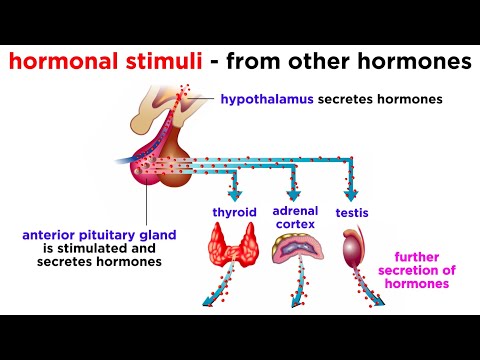
- Pituitary Gland: Often called the “master gland,” because it controls other glands.
- Thyroid Gland: This one manages your metabolism.
- Adrenal Glands: They help you respond to stress—think fight or flight!
- Pancreas: Makes insulin, which is key for blood sugar control.
- Gonads: These are your ovaries and testes; they produce sex hormones.
Let’s say you’re running late for work. Your brain picks up on the panic and tells the adrenal glands to pump out adrenaline. That rush gets your heart racing and prepares you to hustle out the door!
Types of Hormones
Hormones can be categorized mainly into three types: steroids, peptides, and amines.
- Steroids: These are fat-soluble hormones. Think testosterone or estrogen—super important in regulating everything from muscle mass to mood.
- Peptides: Made up of amino acids; insulin is a perfect example here.
- Amines: Derived from single amino acids, like adrenaline again!
When these little guys get into your bloodstream, they travel around like mail carriers delivering important packages.
The Functions of Hormones
Now that we know what hormones are, let’s talk about what they do:
- Your Metabolism: Thyroid hormones regulate how fast your body uses energy. Too much? You might feel jittery or anxious. Too little? It can be tough to keep those eyes open!
- Growth & Development: Growth hormone helps kids grow taller and develop properly during puberty.
- Mood Regulation: Ever noticed how some days you feel on top of the world and others just blah? Yeah, that can be hormonal too!
- Stress Response: Cortisol is that hormone that kicks in when you’re stressed out—it helps manage how you deal with pressure.
One time I had this overwhelming week—not enough sleep, loads of work—and I felt my heart racing for no reason! That was my cortisol kicking in!
Diseases Related to Endocrine Disorders
Sometimes things go wrong in this intricate system. For instance:
- If the thyroid goes haywire: Hypothyroidism can make you feel sluggish while hyperthyroidism might cause anxiety and weight loss.
- Addison’s Disease:This happens when adrenal glands don’t make enough cortisol—leaving you fatigued and low on energy.
- Diabetes:This is when insulin isn’t doing its job properly, leading to high blood sugar levels.
So yeah, while our bodies are incredible at keeping everything balanced, they occasionally need a little help.
In short—and I mean really short—the endocrine system is vital for keeping us ticking. From growth spurts to stressful days at work, it regulates so many aspects of our lives through its messengers: hormones! Next time you’re feeling something weird—like that buzz before a presentation or a major food craving—remember it’s probably those little chemicals doing their thing!
Comprehensive Guide to Hormones in the Human Body: Functions and Roles in Health
The human body is like a well-orchestrated symphony, and hormones are the conductors. They play a crucial role in just about every process, from growth to mood. So, what’s the deal with these chemical messengers?
What Are Hormones?
Hormones are substances produced by glands in the endocrine system. They travel through your bloodstream and tell various parts of your body what to do. It’s like sending texts to your friends saying “let’s meet up” or “I need help!”
Where Do Hormones Come From?
Most hormones are made in glands such as the pituitary, thyroid, and adrenal glands. Each gland has its own special job to do. For example, the pancreas helps regulate blood sugar levels.
Main Roles of Hormones:
Hormones have many functions that can impact your health. Here’s a quick look at some key players:
- Regulating Metabolism: Hormones like insulin control how your body uses glucose for energy. This is super important for maintaining blood sugar levels.
- Growth and Development: Growth hormone (GH) is crucial during childhood and adolescence. It helps in the growth of bones and tissues.
- Reproductive Functions: Estrogen and testosterone are vital for sexual development and reproduction. Think of them as nature’s way of pushing us towards procreation!
- Mood Regulation: Cortisol (the stress hormone) can affect your mood significantly. Too much cortisol? You might feel anxious or irritable.
The Balance Game
Here’s the thing: balance is key! Too much or too little of any hormone can lead to serious health issues. Ever heard someone say they feel “hormonal”? This usually refers to fluctuations that can cause emotional changes—a little rollercoaster ride, if you will!
I remember a friend who had thyroid issues. She was always either super energetic or super drained—like she was constantly switching between two different people! Turns out her thyroid was producing too much or too little hormone at times, which caused those wild swings.
The Impact on Health
Hormonal imbalances can lead to various health problems:
- Diabetes: If insulin isn’t working correctly, it can lead to high blood sugar levels.
- Addison’s Disease: This happens when adrenal glands don’t produce enough hormones—leading to fatigue and weakness.
- PMS: Pre-menstrual syndrome highlights how estrogen and progesterone changes can make you feel off balance.
A solid understanding of these hormones can actually help you better manage these conditions if they arise.
Aging and Hormones
As we age, our hormonal levels naturally shift too. For instance, menopause brings a drop in estrogen for women, leading to symptoms like hot flashes or mood swings—definitely not fun!
Keeping track of how you feel as you age could be really beneficial; maybe check in with a healthcare professional if things seem off.
So yeah, hormones might be small but they certainly pack a punch! Understanding them offers valuable insights into how our bodies work—and why we sometimes feel like we’re on an emotional seesaw!
You know, when you think about hormones, it can seem all complicated and scientific. I mean, we’re talking about these tiny molecules zipping around in your body, telling everything what to do. It’s kind of like a superhero squad working behind the scenes. Seriously!
I remember this one time I was feeling super down, and a friend mentioned something about hormones. At first, I shrugged it off—like, how could something so small have such a big impact? But then I started digging into it. Turns out, hormones are basically the messengers of our body. They’re like little text messages sent from one organ to another with just one task: keeping everything running smoothly.
So let’s break it down a bit. The endocrine system is the crew that manages these hormones. It includes glands like the pituitary, thyroid, and adrenal glands—all pretty important players in your body’s game plan. For example, when you’re stressed or scared (think of a surprise on your birthday that kinda makes you jump), your adrenal glands release adrenaline! That rush you feel? Yeah, thank hormones for that boost.
And here’s where it gets interesting: hormones don’t just handle stress or energy levels; they also play roles in growth and mood regulation. Some folks even say they can affect how you feel about life in general! Ever had those days where everything feels off? Well, that could be your hormone levels sending mixed signals.
But here’s the kicker—they can also change over time due to life events like pregnancy or puberty or even just getting older. It’s wild how our bodies adjust as we journey through life.
So yeah, while they might seem simple from a distance—like tiny messengers buzzing around—the truth is they’re crucial for our everyday lives. Understanding them is kind of like piecing together the ultimate puzzle of who we are and how we respond to the world around us.
Next time you’re feeling off or energized or even super emotional—just take a second to think about what might be happening at the hormonal level behind all that! It’s pretty crazy how much influence they really have on our lives!