You know, the other day, I was chatting with a buddy of mine who’s super into solar energy. He mentioned he gets more power from his roof than from his morning coffee! I mean, how wild is that?
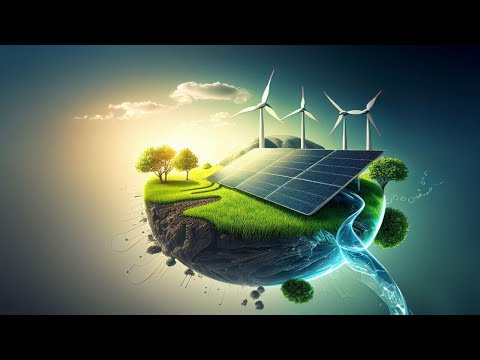
It got me thinking about all the different ways we can harness energy these days. Seriously, we’ve got solar, wind, hydro—like a whole buffet of options! And it’s not just about saving money on your electricity bill.
These renewable resources are actually crucial for keeping our planet healthy and happy. Imagine a future where we’re not just surviving but thriving with clean energy all around us. Pretty cool thought, right?
So let’s take a stroll through this vibrant world of renewable energy and see how it can shape our lives and our planet for the better. Sound good?
Exploring Renewable Energy Sources: Key to a Sustainable Future in Science
Renewable energy is one of those topics that gets everyone talking, right? I mean, with climate change looming like a dark cloud over our heads, it really feels like we need to step up our game. And that’s where renewable energy comes in. It’s kind of exciting to think that we can tap into natural sources of power to help sustain our planet for generations to come!
So, what are these **renewable energy sources**? Well, there are a few heavy hitters out there:
- Solar Energy: Think about all that sunshine! Solar panels capture sunlight and convert it into electricity. It’s amazing how much energy can come from just the sun shining down on us every day.
- Wind Energy: Ever felt the wind blow through your hair? Wind turbines harness this natural force and turn it into power. Some places have massive wind farms, where you can see rows of these gigantic turbines spinning away.
- Hydropower: Water is pretty powerful too! Dams use flowing water to generate electricity. Rivers and waterfalls can be transformed into energy sources—nature’s own power plants!
- Geothermal Energy: This one’s super cool because it taps into the heat from the Earth’s core. Places like Iceland use geothermal energy for heating and electricity. It’s like using Earth’s oven to bake up some energy!
- Biomass: You might not think about trash as a source of energy, but biomass uses organic materials—like plant waste—to produce power. It’s nature’s recycling system at work.
Imagine your home being powered by renewable sources! It would feel nice knowing you’re not harming the environment while you use your devices or turn on the lights.
There was this time I watched a documentary about a small village in Denmark that completely transitioned to renewable energy. The wind turbines were everywhere! The villagers were so proud—they even had community meetings discussing how they could innovate further. They weren’t just producing enough energy for themselves; they were selling surplus back to the grid! Seriously inspiring stuff.
But here’s the thing: transitioning to renewable energy isn’t only beneficial for Mother Earth; it also creates jobs and strengthens economies! With more solar panel installations or wind farms popping up, locals often find new opportunities in training, installation, maintenance—you name it.
Of course, there are challenges too. Sometimes people worry about land use or costs associated with transitioning entirely to renewables. But honestly? Every big change has its bumps along the road. What matters is we keep moving forward!
In summary, embracing renewable energy isn’t just smart; it feels like an adventure into a sustainable future! Whether it’s soaking up sun rays or harnessing mighty winds, together we’re capable of making waves (pun totally intended) towards cleaner living—and who wouldn’t want that? So keep an eye on this space; exciting things are brewing in renewable energies!
Exploring the Optimal Renewable Energy Source for a Sustainable Future: Insights from Scientific Research
Renewable energy is like that bright star on a clear night. You know it’s out there, shining its light and giving us hope for a more sustainable future. But when we talk about which renewable energy source is the best, things can get a bit tricky—you follow me?
First off, let’s break down what we mean by renewable energy sources. We’re talking about things like solar power, wind energy, hydropower, geothermal energy, and biomass. Each of these has its pros and cons, so picking one as the “optimal” source is not exactly straightforward.
When you think about solar energy, it’s kind of like catching sunshine in a jar. Those solar panels convert sunlight into electricity pretty efficiently. The technology keeps getting better! But, here’s the catch: it only works when the sun’s shining. Cloudy days or nighttime? Not so much.
Then you have wind energy which relies on those giant turbines that look like they belong in a sci-fi movie. Wind is free and abundant in many places, but it can be pretty unpredictable too—some days it’s blowing strong and other days it’s just… well, breezy.
Hydropower is another heavyweight champion in renewable energy. It uses flowing water to generate electricity, which sounds great! But building dams can seriously mess with local ecosystems and wildlife. Imagine trying to swim upstream against a wall—that’s what some fish have to deal with.
Next up is geothermal energy, which taps into the Earth’s core heat to produce power. It’s super reliable because the Earth isn’t going anywhere anytime soon! However, this kind of energy isn’t available everywhere—it depends on where you live.
Lastly, we have biomass—this one’s all about using organic materials like plants or animal waste to generate energy. Sounds clever? It can be if managed right! The potential for pollution or over-reliance on certain crops could make this tricky.
So when piecing all this together for an ideal renewable mix, it becomes clear that **diversity** plays an important role; relying solely on one source may not cut it for sustainable living long-term.
Key Factors:
- Availability: How often do you get sunlight or wind in your area?
- Environmental Impact: What happens to ecosystems around hydropower plants?
- Technology Costs: Are solar panels becoming cheaper or more expensive?
- Sustainability: Can resources be replenished without harming nature?
Imagine being at a buffet where each dish represents a different type of renewable resource—the more variety you have on your plate, the better your meal will be; that’s how our future should look regarding energy sources.
At the end of the day, there isn’t just one perfect answer for everyone; what works best will depend on several aspects like location and technology advancements coming into play regularly. The journey toward finding our optimal mix is ongoing—but isn’t that part of what makes this whole thing exciting?
Unlocking the Future: The Role of Renewable Energy in Advancing Scientific Innovation
The future’s looking bright, you know? And a big part of that brightness comes from renewable energy. It’s not just about saving the planet; it’s about kicking off some serious scientific innovation. So, what’s the deal with renewable energy and how does it push scientific boundaries? Let’s break it down.
First off, there are many types of renewable energy sources out there. You’ve got your solar power, wind energy, hydroelectricity, geothermal energy, and even biomass. Each of these has its own unique place in the mix.
- Solar Power: This is like harnessing sunshine to generate electricity. Think about solar panels on rooftops—they soak up sunlight and turn it into usable power. It’s not only sustainable but encourages tech innovations in storage solutions.
- Wind Energy: Ever seen those giant wind turbines out in the fields or on hills? They convert wind into electricity. The cool part is that as we improve turbine efficiency, we can generate more power without needing to build more turbines. So, it’s a win-win!
- Hydroelectricity: This one uses flowing water—like rivers or dams—to create energy. It’s fascinating how engineers are constantly looking for ways to make these systems more eco-friendly while generating loads of clean power.
- Geothermal Energy: Tapping into heat from below the earth’s surface might sound sci-fi but it’s real! It powers homes and even greenhouses without releasing tons of carbon emissions.
- Biomass: This utilizes organic materials like plants and waste to produce energy. It’s a clever way of recycling nature to fuel our needs!
Now that we’ve got the sources sorted out, let’s chat about innovation. The advances in renewable energy technology have sparked some creativity across various scientific fields:
For starters, there’s been a huge push toward battery technology. As we shift towards renewables, storing that energy becomes crucial for when the sun isn’t shining or the wind isn’t blowing. Look at lithium-ion batteries—they’ve evolved significantly thanks to research fueled by green tech.
And then there’s sustainable agriculture. Farmers are increasingly using renewable resources for powering their operations—solar panels on barn roofs or wind turbines on farmland help keep costs down while being eco-friendly!
Also, think about sustainable cities. More urban areas are looking into smart grids powered by renewables which leads to better resource management and less waste overall.
This whole transition toward renewable energies doesn’t just help our environment; it also creates jobs! Engineers, scientists, technicians—you name it! All are working together to innovate and invent new technologies that keep us moving forward without derailing our planet’s health.
One last thing: let me hit you with this emotional angle—there’s something really uplifting about children today growing up in an age where science is pushing for a cleaner world through renewables. Remember that feeling when you were young and saw your dreams come alive? That spark exists in budding scientists today!
So yeah, as renewable energies keep advancing and becoming more integrated into our lives, they’re not only shaping a sustainable future—they’re actively driving innovation that opens up new frontiers for humanity’s progress! How cool is that?
So, let’s chat about renewable energy. You know, lately, I’ve been thinking a lot about how our planet’s kind of in a pickle with climate change and all that jazz. I mean, who hasn’t had that moment when they’re watching the news and feel a little hopeless? But then there’s this glimmer of hope—renewable energy.
Like, think about it! We’ve got wind, solar, hydro, and even geothermal energy. Each one is a little superhero in its own right. Wind energy? It’s like Mother Nature giving us a high five every time those turbines spin. I remember visiting a wind farm once; those giant blades swooshing around are kind of mesmerizing. It’s hard not to feel excited about what they can do to reduce our dependence on fossil fuels.
Solar energy is another neat one! Sunlight is basically free fuel just hanging out for us to collect. When my friend installed solar panels on their roof, they told me how cool it felt to see their electricity bill drop. Can you imagine? Harnessing sunshine and paying less for it? Crazy awesome!
And water! Hydro power makes use of rivers and dams. It’s like using the flow of nature itself to generate electricity. My uncle used to work at a dam; he always spoke passionately about how important it is for clean power generation and local ecosystems.
But here’s the thing: it’s not just about having these resources available; we actually need to mix them up! You know? A bit of this and a tad of that means we won’t be putting all our eggs in one basket—what if the sun isn’t shining or the wind isn’t blowing? A diverse approach gives us stability and resilience.
I can’t help but feel hopeful when I think about new technologies popping up too! Energy storage systems are getting better; batteries that used to be bulky are now compact and efficient. It’s like every day we’re figuring out how to do things even smarter.
Still, there are challenges ahead; transitioning from traditional sources requires teamwork and lots of planning—not something we can achieve overnight or alone, am I right? Communities need support in making these changes work effectively so everyone can share in cleaner air and greener surroundings.
Ultimately, renewable energy offers pathways not just towards sustainability but also towards innovation—like unlocking potential that could change our entire way of life for the better. It’s an exciting prospect worth getting behind. If we embrace diversity in how we generate energy, then who knows what amazing things await us in the future?