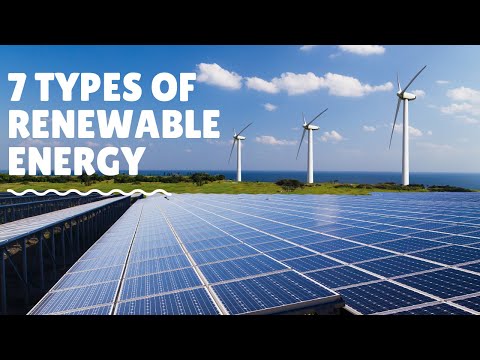
You know, the other day I was sitting in my backyard, sipping lemonade, and I glanced up at this solar panel on my roof. And I thought… “Wow, that thing is getting more sun than I do!” Seriously though, it made me realize how much we rely on these renewable resources.
Like, can you imagine a world without them? It’s wild to think about how our future depends on stuff like wind, water, and even the sun. Those elements are not just for beach vacations or windy kite days—they’re essential for keeping our planet healthy.
So let’s chat about these diverse types of renewable resources. Trust me; you’ll feel a lot cooler about your choices after you learn how they all fit together for a sustainable future. It’s quite the exciting journey!
Exploring the 7 Types of Renewable Resources in the Field of Science
Renewable resources are like the superheroes of the energy world. They’re sustainable, they replenish naturally, and they help us reduce our carbon footprint. Let’s break down the seven main types of renewable resources to see what makes each one special.
1. Solar Energy
Solar energy comes from, well, the sun! It has an almost endless supply as long as it keeps shining. We harness this power using solar panels, which convert sunlight into electricity. Imagine on a bright sunny day; those panels are hard at work generating energy for your home or even powering whole cities.
2. Wind Energy
Ever felt that refreshing breeze? That’s wind energy in action! Wind turbines capture the kinetic energy from wind and turn it into electricity. It’s like watching giant pinwheels spinning for a good cause! Countries with lots of open land, like the U.S., harness this resource to create huge wind farms.
3. Hydropower
You know how rivers flow? Hydropower makes use of that water flow to generate electricity. Dams are often built on rivers to control this flow and harness its potential energy. Think about sitting by a waterfall—the sound is relaxing, but those rushing waters can also create power!
4. Biomass
Biomass is basically organic material—like plants and animal waste—that can be converted into energy. When we burn wood or even turn food scraps into biofuels, we’re using biomass! It’s a cool way to recycle waste while generating power at the same time.
5. Geothermal Energy
Deep down beneath our feet lies hot stuff—literally! Geothermal energy taps into heat stored in the Earth’s core. We can use this heat to generate steam that drives turbines for electricity or even directly heat our homes. Think of it as nature giving us a warm hug from below!
6. Ocean Energy
The oceans are vast and powerful, making them perfect for creating energy! There are two main ways: tidal and wave energy. Tidal energy uses ocean currents created by gravity (like when the moon tugs on Earth). Wave energy harnesses the up-and-down motion of waves crashing together—both pretty wild concepts!
7. Hydrogen Fuel Cells
Okay, here’s where it gets interesting! Hydrogen fuel cells combine hydrogen with oxygen to generate electricity, with water vapor being the only byproduct—no nasty emissions involved! It’s like having your cake and eating it too: clean power without pollution.
All these renewable resources play their part in crafting a sustainable future where we can depend less on fossil fuels and start living in harmony with our planet again—you follow? Each type has its unique pros and cons but collectively they create a healthier earth for generations to come.
So next time you hear about renewables, think about how much potential these natural forces hold—not just today but for all those tomorrows ahead of us!
Understanding Sustainable Renewable Resources: Key Concepts in Environmental Science
So, when we talk about sustainable renewable resources, we’re diving into this fascinating world where nature meets our need for energy and materials. It’s all about finding ways to use what the planet offers without burning out our home, right? Let’s break it down a bit.
First off, what are renewable resources? Basically, they’re sources of energy that can be replenished naturally in a short period. Think sunlight, wind, and water. They’re not like fossil fuels that take millions of years to form—and when we use those up, they’re gone for good!
- Solar Energy: This comes from the sun and is super popular these days. Solar panels convert sunlight directly into electricity. Just imagine harnessing all that energy pouring down on us every day!
- Wind Energy: Ever see those big wind turbines spinning in the fields? They catch the wind’s power and turn it into energy. It’s like having giant fans that not only keep things cool but also produce power!
- Hydropower: Water is another awesome resource. Dams hold back river water to create reservoirs, which then flow through turbines to generate electricity. It’s pretty amazing how a flowing river can be transformed into light! However, we gotta be careful with ecosystems when building dams.
- Biomass: This one’s interesting! It involves using organic materials—plants and animal waste—to generate energy. Think about leftover food or even wood chips being turned into fuel or electricity.
- Geothermal Energy: This taps into the earth’s internal heat. Deep down, there’s hot stuff that can be used for heating and generating power. It’s like getting warmth straight from planet Earth!
The beauty of these resources is how they work together for a sustainable future. For instance, you could have solar panels generating power during sunny days while wind turbines kick in when it’s breezy outside! This blend helps balance things out so we always have an energy supply ready.
You know what really gets me excited? The fact that these renewable resources can lead to cleaner air and less pollution compared to traditional methods like burning coal or oil. Less smog and fewer greenhouse gases—that’s a win-win!
But let’s not forget: it’s not just about using renewables; it’s also about being smart with our consumption patterns. If we use less energy at home or switch off lights when we leave a room, we’re contributing too! Every little bit counts in this big puzzle.
You might think implementing all this sounds expensive or complicated—fair point! But as technology gets better and cheaper every year, more communities are investing in these solutions. And you know what? That gives us hope for tackling climate change together.
If you ever look up at those bright solar panels or feel a cool breeze while driving past wind farms, remember: they’re not just modern art installations; they represent our path towards a healthier planet for future generations.
So yeah—understanding sustainable renewable resources is more than just science; it’s about creating a lifestyle that respects our environment while meeting our needs today!
Exploring the Four Types of Renewable Energy: Insights from Science
Sure thing! Let’s chat about renewable energy. You know, it’s kind of exciting to think that we can harness natural power without draining the Earth’s resources, right? So, let’s break down the four main types of renewable energy: solar, wind, hydroelectric, and biomass.
Solar Energy is like that friend who’s always shining—literally! The sun gives us a ton of energy every single day. We capture this energy using solar panels. When sunlight hits these panels, it turns into electricity. Pretty cool, huh? Think about how home rooftops can be decked out with panels to generate power. And you don’t have to live in a sunny area for it to work because even cloudy days produce some electricity!
Wind Energy is another stellar option. Wind turbines are essentially giant pinwheels that convert wind into electricity. They’re usually placed in open fields or on rooftops where they can catch those strong gusts. It’s wild how something as simple as moving air can create so much power! Just imagine standing next to one; you’d feel the rush of energy blowing by.
Hydroelectric Energy, well, it taps into the magic of water! By building dams on rivers, we can control the flow of water and use it to spin turbines—kind of like how water spins a pinwheel when you blow on it, right? This process generates a significant amount of electricity and has been around for ages. It’s really fascinating how flowing rivers have been used by civilizations long before us!
Now let’s talk about Biomass Energy. It sounds fancy but think about all those leftovers you toss in the trash or yard waste piling up outside—yup, it counts! Biomass uses organic materials like food scraps or wood chips as fuel. When these materials burn (or even break down naturally), they release energy which can be harnessed for heating or electricity generation. So not only does this help reduce waste but also provides an alternative energy source!
To sum up what we’ve seen here:
- Solar Energy: Capturing sunlight with panels.
- Wind Energy: Spinny turbines catching breezes.
- Hydroelectric Energy: Water turning turbines at dams.
- Biomass Energy: Turning waste into usable power.
Isn’t it wild to think we rely on these natural forces? Each type has its own quirks and benefits but together they pave the way for a more sustainable future—less pollution and healthier living conditions for everyone! Doing our part by using renewable resources could mean good things for generations ahead.
Just picture a world powered by these elements: cleaner skies and less reliance on fossil fuels—a breath of fresh air in more ways than one! So when you hear someone talking about renewables next time, maybe share some of this knowledge—it could spark an awesome conversation!
You know, when you really start looking into renewable resources, it feels like you’re peeling back layers of an onion. Each layer reveals a different aspect of our planet’s potential for sustainable energy. It’s pretty cool to think that we can tap into nature’s power without exhausting it.
Take solar energy, for instance. Remember that summer day when you and your buddies set up a tent in the backyard? You had the sun blazing all day long. That warmth and light can be harnessed! With solar panels, we can convert sunlight into electricity as easily as soaking up those rays while lounging around. Crazy to think about how such an everyday moment could mirror a solution to our energy needs, right?
Then there’s wind power. I always think about that one time my friend brought us all to the coast where those massive wind turbines stand tall against the sky. They seem so out of place yet totally at home, don’t they? The wind is this invisible force—like an old friend showing up unexpectedly—and we’ve figured out how to channel its energy for electricity generation. Just seems mind-blowing that something we can’t even see helps power our lives.
And let’s not forget bioenergy! It’s kind of like recycling on another level. We take waste—like food scraps or plant materials—and turn it into fuel or electricity. I remember clearing out my garden with my family one fall and thinking about how much stuff goes unused or wasted every year! Like, why not use that waste instead of tossing it out? Makes sense!
Oh, and hydroelectric power! Picture rivers flowing down mountains and creating electricity while they’re just doing their thing naturally… It feels poetic, doesn’t it? It’s like Mother Nature has crafted this system that allows us to benefit from her work simply by building some dams.
Sure, these resources have their challenges—costs, location limitations, and technological needs—but they shine a hopeful light on what a sustainable future could look like for all of us. It makes you wonder what other natural processes we haven’t tapped into yet.
In the end, thinking about diverse renewable resources shows that sustainability isn’t just about surviving; it’s about thriving alongside our planet in ways that feel good—not only for us but for generations to come. So here’s hoping we keep exploring those layers and find even more ways to coexist with nature!