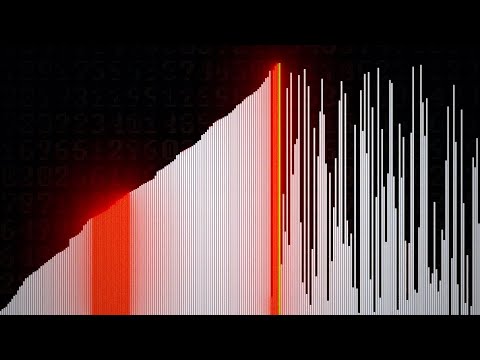
So, picture this: you’re in a massive library, and you’ve got this huge pile of books. You’ve gotta sort them out, but there’s just one problem—these books aren’t organized at all! You need to figure out the quickest way to put them on the shelves. Sounds kinda stressful, right?
Well, that’s where sorting algorithms come into play! They’re basically the superheroes of organizing data. Seriously, without them, our digital world would be a chaotic mess.
You wouldn’t believe how many different ways there are to sort stuff—like bubble sort or quicksort. Each one has its own style and tricks up its sleeve.
And it’s not just about tidying up shelves in libraries. Sorting algorithms have some pretty cool applications in science too. From analyzing data in genetics to optimizing routes for delivery trucks—these tiny little codes are behind a lot of the magic that keeps our world running smoothly.
So hang tight! We’re about to dive into the fascinating realm of sorting algorithms and see how they make life simpler in ways you might not have expected!
Exploring Real-Life Applications of Sorting Algorithms in Scientific Research and Data Analysis
Sorting algorithms might sound like something only computer nerds care about, but trust me, they’re everywhere, even in scientific research! You see, sorting is all about organizing data. Imagine you’ve got a huge pile of books on your floor. It’s chaotic, right? Now think about lining them up on a shelf by genre or author. That’s what sorting algorithms do, but for data.
So basically, there are tons of sorting algorithms out there. Some are super quick and simple like the **Bubble Sort**. You know, it’s like comparing two adjacent books and swapping them until everything’s in order. But then we have more complex methods—like **Merge Sort** or **Quick Sort**—that can handle larger datasets way faster!
Now let’s talk about where these bad boys pop up in real scientific research:
- Genomic Data Analysis: When scientists study DNA sequences, they often need to sort vast amounts of genetic data to compare genes across different organisms. Using efficient sorting algorithms helps them see patterns more quickly.
- Clinical Trials: In medical research, patient data from trials gets sorted by various factors like age or treatment response. This helps researchers analyze results efficiently and draw better conclusions.
- Image Processing: Sorting pixels based on color values can enhance image quality in fields like astronomy or medicine. Sorting helps identify key features in images faster.
I remember hearing a story about a scientist working with thousands of samples from ocean water to study pollution levels. They had to sort through all this data to understand which areas were most affected and why. Without effective sorting algorithms, that would have been like searching for a needle in a haystack!
It doesn’t stop with just sorting though; it’s about finding the right tool for the job! Different algorithms excel under different conditions—like if you have nearly sorted data or need to handle massive amounts of information quickly. For example:
- If you’re dealing with nearly organized datasets, **Insertion Sort** can be your best friend.
- In contrast, if you want speed and efficiency with large datasets? Try out **Heap Sort**; it shines when performance matters.
And the cool part is that researchers are constantly developing new variations of these algorithms—crafting them for specific problems or types of data!
To sum it up: sorting isn’t just technical jargon; it’s crucial for making sense of the world around us through science. It affects how we interpret results and ultimately influences discoveries that can change lives! So that chaotic pile of books? The next time you organize it? Just think—you’re not just cleaning your room; you’re practicing some serious scientific principles!
Exploring the 5 Key Sorting Algorithms in Computer Science: Principles and Applications
Sure! Let’s talk about sorting algorithms—those nifty methods computers use to organize data. It’s kind of like when you’re cleaning your room and putting all your books on the shelf in order. Here are five key sorting algorithms used in computer science, breaking down their principles and applications.
1. Bubble Sort
This one is like that classic game where you keep comparing items to see which is bigger or smaller. It works by repeatedly going through a list, comparing each pair of adjacent items, and swapping them if they’re in the wrong order. This keeps happening until you make a complete pass without any swaps. It’s simple but not very efficient for large datasets. You know, it’s like trying to sort a ton of laundry by just swapping clothes around—it works, but there are much better ways!
2. Quick Sort
Quick sort is a favorite among programmers because it’s fast for large lists! Here’s how it goes: you pick a “pivot” element from the array and partition the other elements into two groups—those less than the pivot and those greater than it. Then, you sort those groups recursively! Imagine it as dividing things into smaller boxes that are easier to handle—way smarter than moving everything at once.
3. Merge Sort
If quick sort is about partitioning, merge sort focuses on combining! It splits the list into halves until each half has just one item (because one item is always sorted). Then, it merges those halves back together in order. Think of this as building a tower with blocks—first you get small towers sorted out and then stack them up neatly.
4. Insertion Sort
Insertion sort is pretty intuitive—you insert elements into their right place as you go along! Start with a sorted list of one item (which is just that item), then take each new item from the unsorted part and insert it into its rightful spot in the sorted section. It’s like organizing your bookshelf little by little as you get new books—you keep shifting things around so they stay neat.
5. Heap Sort
Now here’s where it gets interesting: heap sort uses a binary heap data structure to organize data more efficiently! It starts by creating a max-heap (where every parent node is larger than its children) from the input data, then repeatedly removes the largest element and rebuilds the heap until everything’s sorted. Picture this as taking turns at a concert—like each time someone leaves their spot after playing an instrument, another musician fills in right away!
Each of these algorithms shines in different scenarios depending on what you’re working with—data size, whether it’s mostly sorted already or not, and how much memory you can use.
You know what? This stuff might seem dry at first glance, but thinking about how we tackle real-life organization tasks makes these concepts relatable—and way less intimidating! Sorting algorithms aren’t just technical jargon; they’re practical tools that help us manage heaps (pun intended!) of information every day!
Exploring the Dumbest Sorting Algorithm: A Scientific Analysis of Computational Inefficiency
Alright, let’s talk about sorting algorithms. Seriously, sorting is like one of those basic things you always need in programming. It’s all about putting stuff in order. But not all sorting algorithms are created equal. Some are super smart, and then there’s the one that’s often dubbed the “dumbest” of them all: Bubble Sort.
So, what is Bubble Sort? Well, it’s pretty simple. Imagine you’re sorting a bunch of playing cards on a table. You go through the cards and compare each pair. If a card on the left is bigger than the one on the right, you swap them around. Then you keep doing this until they’re all nicely ordered from smallest to largest. Sounds easy, right?
Here’s the kicker: Bubble Sort works well for super small datasets but gets really inefficient as numbers increase. Did you know that its average-case time complexity is O(n²)? This means if you double your dataset size, it takes about four times longer to sort it! Talk about a headache!
- Simplicity: The algorithm is straightforward and easy to implement.
- Inefficiency: For large lists, it becomes painfully slow compared to more advanced algorithms.
- Limited Use: It’s mostly used for educational purposes to explain sorting concepts.
If you think about it emotionally for a sec—like back in school when I had to sort through stacks of homework papers—every time I had to do Bubble Sort in practice exercises felt like wading through molasses! The struggle was real.
Now, don’t get me wrong; every algorithm has its place in computer science. While Bubble Sort isn’t meant for serious high-load tasks or big data challenges, it’s great for teaching basic principles of algorithmic thinking. You can see how algorithms make decisions step by step, which builds your foundation in coding.
You might find it interesting that other sorting methods like Merge Sort or Quick Sort are much faster and more efficient when dealing with larger datasets—think about how organizing bookshelves works with categories instead of just guessing where everything goes!
The thing is—and here comes a bit of irony—sometimes knowing about inefficient algorithms like Bubble Sort helps inform better choices when you’re working with more complex systems later on.
So yeah, understanding why an algorithm isn’t ideal can be just as powerful as mastering the best ones!
If you’ve ever used coding platforms or taken programming courses, chances are you’ve bumped into Bubble Sort at least once! It’s like rite of passage in coding land.
The bottom line? While Bubble Sort may be dubbed “dumb,” every method has its lesson wrapped around computational efficiency and decision-making processes in programming!
Sorting algorithms, huh? You might not think they’re that exciting at first glance, but let me tell you, they’re like the unsung heroes of computer science. Picture this: you’ve just gotten back from a long day and decide to organize your collection of vinyl records. You’ve got some classics, some new releases, and maybe even a few oddballs. How would you go about it? Would you want them sorted alphabetically, by genre, or maybe even by release date? That’s where sorting algorithms come in!
So there are all kinds of sorting algorithms out there – each with its own personality and method. There’s bubble sort, which is kind of like how you might lazily swap two records back and forth until they’re in the right order. It’s simple but not the most efficient; great for small collections but a bit painful for larger ones! Then there’s quicksort, which feels more like a professional DJ mixing tracks—you pick a pivot record and sort around it quickly.
It’s kinda wild to think about how these algorithms are used beyond just organizing playlists or documents on your computer. In scientific research, for instance, they help sift through mountains of data. Imagine trying to analyze thousands of genetic sequences to find patterns linked to diseases. Sorting those sequences efficiently can make all the difference when it comes to speed and accuracy!
And let’s not forget about machine learning. It thrives on data organization! Algorithms need sorted data to train models effectively; without it, well… things could get messy fast—like trying to solve a puzzle with pieces jumbled up everywhere.
In my experience talking with friends about tech stuff over coffee (you know how nerdy chats can get!), I’ve seen that people often overlook these basic yet powerful tools. When I started diving into the world of coding and algorithms myself—oh man—it was like opening my eyes to a whole new dimension! Sorting isn’t just about making lists pretty; it plays a critical role in everything from scientific discoveries to everyday apps we use.
So next time you’re dealing with piles of data or even just organizing your digital life, remember those sorting algorithms quietly working behind the scenes. They might seem simple on the surface but pack quite a punch when you dig deeper!