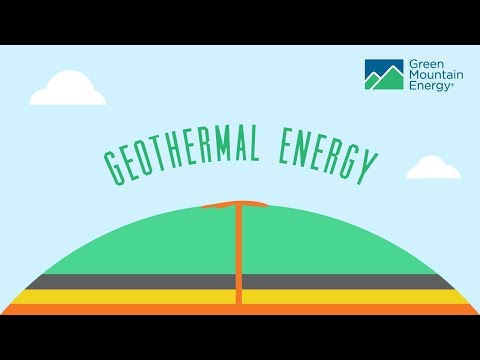
So, picture this: you’re at a party, chatting with folks about energy. Someone mentions geothermal heating, and suddenly everyone looks like they just bit into a lemon. But here’s the thing—geothermal isn’t just some boring topic for science nerds; it’s actually super cool!
You know how your car feels nice and toasty after sitting in the sun? Well, underground heat is kind of like that but on a much bigger scale. Seriously! The Earth is like this giant hot water bottle, just waiting for us to tap into it.
And think about it: using something natural, right beneath our feet, to power our homes? It sounds almost like magic! But it’s real science.
Let me break down how we can harness underground thermal heating for energy. It’s gonna be fun!
Harnessing Underground Thermal Heating: A Sustainable Energy Solution
Harnessing Underground Thermal Heating. Sounds pretty technical, right? But it’s actually a cool way to tap into the Earth’s natural warmth to help us out with energy.
You see, the Earth has this constant temperature just below the surface. Even when it’s freezing outside, it can feel cozy down there. This underground warmth comes from the heat leftover from when our planet formed, plus heat from radioactive decay. Basically, it’s a renewable source of energy we can use.
So, how does this work? Well, there are a couple of popular methods to harness this thermal energy. One common approach is called geothermal heating. It uses hot water or steam from below the ground to warm buildings or even generate electricity. You know that feeling when you step into a hot spring? That’s more or less what we’re talking about!
Another method is geothermal heat pumps. These systems use the Earth as a heat exchanger. In winter, they pull heat from the ground and pump it into buildings. In summer, it works in reverse – pulling heat out of buildings and sending it underground where it’s cooler. Kinda neat how nature helps keep us comfy!
Now let’s get real for a moment: think about your own home for a second. If you’ve ever been chilly and cranked up the heating only to see those sky-high bills later? Yeah, that happens to all of us! Using underground thermal heating could really help lower those costs because it’s way more efficient than traditional heating systems.
You might be wondering about locations for geothermal energy, right? It turns out you don’t need volcanoes or bubbling lava lakes; many areas are suitable for geothermal systems! The best places usually have lots of hot rocks close to the surface—like regions around tectonic plate boundaries.
But here’s an interesting fact: implementing these systems does come with some challenges too. If not done correctly or responsibly, digging deep can lead to issues like land subsidence or even small earthquakes in some cases—yikes! This means regulation and careful planning are super important to make sure that we’re not messing things up while trying to save energy.
The cool part is that using underground thermal heating contributes so much less greenhouse gas compared to fossil fuels. And look at this trend: more countries are hopping on board with these technologies! They see how geothermal can play a significant role in reducing our carbon footprints.
So yeah, harnessing underground thermal heating isn’t just some far-fetched idea—it’s already happening! More people are starting to realize its potential as part of their future energy solutions. Imagine if all homes could be heated naturally without burning fossil fuels!
In short: tapping into that warm hug from Mother Earth seems like an awesome plan for sustainable energy moving forward—saving money while saving our planet? Yes, please!
Harnessing Underground Thermal Heating for Sustainable Energy: Advantages and Innovations in Geothermal Science
Geothermal energy is getting some serious attention these days. It’s all about harnessing heat from deep within the Earth. So, just think about it: while we’re sweating in the summer or shivering in the winter, there’s a steady temperature underground that we can tap into. That’s pretty awesome if you ask me!
This underground warmth comes from a few sources. First off, there’s residual heat from when the planet formed. You know, that initial heat that just never really cooled down? Then you’ve got heat generated by radioactive decay of minerals deep within the Earth. It’s like having a natural heater down there—cool, right?
When we harness this heat, we basically convert it into usable energy. There are several ways to do this:
- Power plants: These are set up near geothermal reservoirs where hot water or steam rises close to the surface, which can directly power turbines and generate electricity.
- Direct use systems: In some places, hot water is piped directly for heating buildings or even growing plants in greenhouses.
- Geothermal heat pumps: These systems use the consistent temperature of the ground to help cool and heat buildings efficiently.
Let me tell you a little story to illustrate how cool this can be. A few years back, I visited Iceland, where geothermal energy is part of daily life. They’ve turned steam rising from volcanic vents into hot water for homes and even heated sidewalks! Seriously! Imagine not having to shovel snow because it’s melted away right under your feet.
Now let’s talk about why tapping into geothermal energy is such a big deal:
- Sustainability: Geothermal energy is renewable; as long as the Earth exists, there will be heat beneath us.
- Low emissions: Compared to fossil fuels, geothermal plants produce way less greenhouse gas emissions.
- Reliability: Unlike solar or wind energy that can fluctuate with weather conditions, geothermal provides baseload power—constant and reliable.
But hey, it’s not all sunshine and rainbows. There’s some challenges too. For one thing, you need to be close to tectonic plate boundaries or hot spots where accessing this energy is easier and feasible. It requires significant upfront investments in technology and infrastructure—it ain’t cheap!
There are also concerns around environmental impact—like land subsidence or even induced seismicity (that means causing tiny earthquakes). Properly managing these risks is crucial as this field continues to innovate.
Speaking of innovation: young scientists around the world are exploring enhanced geothermal systems (EGS). This involves creating reservoirs in areas without natural hydrothermal resources by injecting water into hot rocks underground—a bit like creating your own personal geyser.
So basically? Geothermal energy can play a massive role in our transition towards renewable resources! As we continue innovating in this field and work on mitigating its challenges, who knows? We could see more sustainable cities powered by this incredible source of underground warmth!
Understanding Geothermal Energy: Mechanisms and Applications in Earth Science
Geothermal energy is like tapping into the earth’s own heat, kind of like using a warm blanket on a chilly night. You see, beneath our feet, the Earth is packed with heat from the core and from radioactive decay in the crust. Isn’t that cool? This heat can be harnessed for all sorts of applications, especially when it comes to generating sustainable energy.
So, let’s break it down. There are a few key mechanisms behind geothermal energy:
- Heat Flow: The Earth’s interior is super hot, and this heat flows towards the surface. In some places, this flow is strong enough to produce hot springs or geysers.
- Reservoirs: These are pockets of hot water or steam trapped in rocks underground. They can be used to drive turbines that produce electricity.
- Geothermal Plants: These facilities convert geothermal energy into electricity or direct heating. They’re often located near tectonic plate boundaries where volcanic activity occurs.
You might be wondering how exactly we get this heat out. Well, there are several methods to extract geothermal energy:
- Dry Steam Plants: They take steam directly from underground reservoirs and use it to spin turbines.
- Flash Steam Plants: Here, high-pressure hot water is brought up to lower pressure causing it to “flash” into steam that can then drive turbines.
- Binary Cycle Plants: These use a secondary liquid with a lower boiling point than water; it vaporizes and turns turbines without releasing steam into the atmosphere.
Now, why does all this matter? Geothermal energy offers some pretty neat advantages. For one thing, it produces very low greenhouse gas emissions compared to fossil fuels—like driving an electric car instead of gas guzzler! Plus, it’s pretty reliable because it doesn’t depend on weather conditions like solar or wind power do.
Let me share a quick story about geothermal energy that hit home for me. A friend visited Iceland not long ago and was blown away by how they use geothermal heating for everything—from their homes to their swimming pools! It really illustrated how effectively we can use what’s right under our feet.
Of course, there are challenges too. Not every location has easily accessible hot spots, and drilling can be expensive. But researchers are constantly looking for new ways to make it more efficient.
In terms of applications beyond electricity generation:
- Agriculture: Geothermal heat can help in greenhouse agriculture by providing warmth needed for growing plants even during cold seasons.
- District Heating: Some cities pump hot water directly from geothermal sources for heating multiple buildings—talk about cozy!
- Thermal Baths: Places like Japan have onsens where people enjoy bathing in naturally heated mineral-rich waters!
The bottom line? Understanding geothermal energy opens up exciting possibilities for sustainable living while tapping into nature’s heat fountain! So next time you feel the ground beneath your feet, think about all that potential waiting below—it’s pretty electrifying!
So, let’s talk about underground thermal heating. You probably won’t find it on the front page of the news, but it’s one of those cool, quiet heroes in the world of sustainable energy. Imagine a warm blanket on a chilly day—that’s kind of how geothermal energy wraps around our need for heating.
I still remember this one time when I was visiting Iceland. We hopped into a natural hot spring, surrounded by icy mountains. The warmth was like a comforting hug from Mother Nature herself. And that warmth? It came from deep below the surface, where the Earth throws off heat like a cozy fireplace. That’s exactly what geothermal energy is doing—tapping into the Earth’s natural heat.
The thing is, it’s not just about getting hot water for spas or bathing; it goes way beyond that! We can actually use that heat to warm our homes or even generate electricity. There are places where they drill down into the Earth and bring up steam that spins turbines to generate power. Isn’t it amazing to think about how we can use something so natural and powerful?
But there are challenges too! Not all regions have easy access to hot spots underground, which can limit where we can harness this type of energy. And let’s not forget about environmental concerns; it’s important to extract this resource sustainably.
Yet, despite these bumps in the road, there’s so much potential here! It’s renewable and relatively low on emissions compared to fossil fuels—like stepping back from the edge of a cliff just in time! Just imagine communities using this clean energy source instead of relying on carbon-heavy fossil fuels.
So yeah, underground thermal heating holds some promise for a greener future. It might not be in the spotlight now, but with a bit more love and attention, who knows? It could become an essential part of our everyday lives while helping keep our planet healthy for generations to come.