So, picture this: you’re at the beach, right? You’re splashing around, and suddenly a wave knocks you off your feet. It’s a wild ride! But what if I told you that waves are just the surface action of something way more intricate going on beneath? Yep, I’m talkin’ about underwater currents.
These currents are like the ocean’s secret highways. They carry everything from nutrients to tiny critters, helping to keep the marine world buzzing and thriving. It’s like an entire ecosystem party happening out of sight.
But honestly, most people have no idea how significant these currents really are. They think it’s all about pretty fish and coral reefs—totally missing the unseen movers and shakers underneath. So let’s dive into this fascinating topic together!
Understanding the Impact of Underwater Currents on Ocean Dynamics and Ecosystems
Underwater currents are like the highways of the ocean. They move water, nutrients, and even creatures across vast distances. You might not see them at first glance, but they play a crucial role in shaping everything from local ecosystems to global climate patterns.
Now, let’s break down what these currents actually do. First off, **they help distribute heat throughout the ocean**. Warm water from the equator moves toward the poles while cold water flows back to the equator. This mixing helps regulate temperatures both in the oceans and in our atmosphere. Seriously, without this mixing process, some areas would be scorching hot while others would be freezing cold!
But that’s not all. These currents are **vital for marine life**. They carry nutrients from the deep sea to the surface, supporting phytoplankton growth—the base of the ocean food chain. A good example? The upwelling zones off coasts like Peru or California are super productive thanks to these currents bringing essential nutrients up for all sorts of marine life.
On top of that, underwater currents also help with **the migration of marine animals**. Think about how species like salmon travel thousands of miles back to their spawning grounds! Currents provide a sort of road map for these creatures, helping them navigate through vast oceans.
Now consider how human activity impacts these systems. Climate change can alter current patterns due to warming waters and melting ice caps—this affects everything from fish populations to weather patterns on land! It’s kind of scary when you think about how interconnected all this is.
And let’s chat about ecosystems for a second. Coral reefs depend heavily on stable current flows for food and oxygen supply as well as removal of waste products—disruption can lead to coral bleaching and loss of biodiversity.
So yeah, you see how underwater currents are not just boring streams beneath waves? They shape our planet’s health and provide a habitat for countless species! Understanding them better means we can take steps toward protecting our oceans and their ecosystems for future generations. That’s something we should all care about!
The Crucial Role of Ocean Currents in Maintaining Ecosystem Health and Biodiversity
Ocean currents are like the highways of the sea. Seriously! They move water, nutrients, and even tiny creatures all around the globe. These currents play a crucial role in keeping our ocean ecosystems healthy and diverse.
You might be wondering why these flowing waters matter so much. Well, think about it. Ocean currents help distribute heat from the sun. This keeps temperatures in check across different regions. Hot waters move toward the poles while cooler waters travel to the equator, balancing things out.
- Nutrient Distribution: Currents carry nutrients from deep ocean waters to the surface. This process is super important for phytoplankton, tiny organisms that form the base of most marine food webs.
- Biodiversity Support: By moving fish and other marine life around, currents help maintain genetic diversity. This keeps populations strong and resilient against diseases or environmental changes.
- Ecosystem Connectivity: Different ocean regions are connected through currents. This connection allows species to migrate and find suitable habitats.
Imagine a coral reef, vibrant with life but dependent on these currents to bring in fresh nutrients and remove waste products. Without that constant flow, reefs could become unhealthy and less diverse over time. It’s like how a garden needs water and nutrients to thrive!
And hey, let’s not forget about climate regulation. Ocean currents influence weather patterns too! They affect everything from hurricanes to rainfall across continents. So when you think about climate change, those swirling tides come into play as they transport heat around our planet.
The importance of ocean currents extends far beyond just fish or coral reefs; it’s about maintaining a balance within the entire ecosystem! Think of it as a massive interconnected web where every strand counts.
If you’ve ever swum in warm tropical waters and felt that cool current wash over you—it’s not just refreshing! It’s a reminder of how powerful these natural forces are in shaping life underwater.
So next time you gaze out at the ocean, remember those invisible highways beneath the surface are working hard to keep our planet healthy. They’re essential for biodiversity and ecosystem health—making them pretty much unsung heroes of our blue planet!
Exploring the Four Types of Ocean Currents: A Comprehensive Overview in Oceanography
Alright, let’s chat about ocean currents! You know, those invisible rivers in the sea that have a huge impact on our planet. They’re not just cool things to explore; they play a massive role in ocean ecosystems and climate regulation. There are actually four main types of ocean currents, and each one has its own personality and function.
1. Surface Currents
These are like the superstars of the ocean. They occur in the upper layer of the water, usually to about 400 meters deep. You can think of them as the current that surfers love to ride. These currents are primarily driven by winds. You’ve probably heard of the Gulf Stream, which brings warm water from the Gulf of Mexico up to Europe. This seriously affects weather patterns and even temperatures across continents!
2. Deep Water Currents
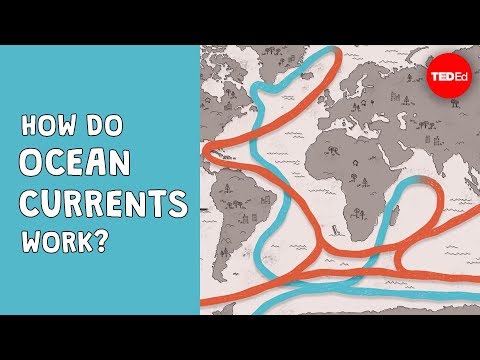
Now, let’s move deeper into the sea—like, way deeper! Deep water currents occur below that surface layer and are influenced by differences in water density rather than wind. Cooler water is denser than warm water, so when it sinks, it creates a movement known as thermohaline circulation. Imagine this as giant conveyor belts moving cold water around the globe! This is crucial for nutrient distribution and helps support marine life at all depths.
3. Tides
You might think tides aren’t really “currents,” but they totally are! Tides are caused by gravitational pulls from the moon and sun on Earth’s oceans. They create rhythmic rises and falls in sea levels that result in moving currents near shorelines. These tidal flows can mix different layers of water, bringing nutrients to shallow waters where plenty of marine life hangs out.
4. Upwelling and Downwelling Currents
These types aren’t just fancy terms; they’re vital for ecosystems! Upwelling occurs when winds push surface waters away from certain areas (like coastal zones), allowing colder nutrient-rich waters to rise up from below to replace them. This process is like giving a buffet for fish populations! On the flip side, downwelling happens when surface waters converge and sink downwards, taking oxygen-rich water deeper into the ocean’s depths.
So yeah, these currents aren’t just ticking boxes on a scientific list; they shape entire ecosystems and influence weather patterns globally! In fact, without these movements of water, many species wouldn’t find food or thrive where they do today.
Next time you feel that wave at your feet or watch a boat sway with the tide, remember: there’s so much more going on beneath those ripples than meets the eye! It all connects back to how balanced our planet’s systems really are—and that’s pretty amazing if you ask me!
You know, when you think about the ocean, it’s not just this big blue expanse. There’s so much happening beneath the surface! Like, if you ever stand by the shore and watch those waves roll in and out, you might not realize that under all that foamy action, there are these powerful underwater currents swirling around. They’re like highways for marine life!
I remember once going snorkeling in a coral reef. It was magical—colorful fish darting about and turtles gliding gracefully. But then my buddy and I got caught in a current. Seriously, it was like being on a wild ride! We zoomed past beautiful corals way too fast to soak it all in. That experience made me realize how much these currents shape everything from where fish hang out to how nutrients spread through the water.
So, here’s the thing: underwater currents do a ton for ocean ecosystems. They help distribute nutrients that tiny plankton need to thrive. And without those little guys? Well, let’s just say every other fishy would be missing out on a meal. Think of them as the first link in a huge food chain.
And it doesn’t stop there! These currents can even influence weather patterns and climate by moving warm water from one place to another. That can affect things far away from the ocean too—like rain patterns or even seasons in some areas! Wild thought, huh?
But currents aren’t just important for food and climate—they also offer shelter for marine life! Some creatures use them to travel long distances without having to swim hard all day long—and let me tell ya, swimming is exhausting! Imagine being able to hitch a ride on invisible waves instead.
Yet with all this beauty and importance comes challenges. You’ve probably heard about climate change messing with ocean temperatures. It can disrupt these currents, leading to changes in ecosystems we might not even fully understand yet.
So yeah, underwater currents are like unsung heroes of our oceans; they keep everything moving smoothly down there while helping support intricate ecosystems filled with life. Next time you get near the water, take a moment to appreciate what’s happening below—it’s pretty mind-blowing!