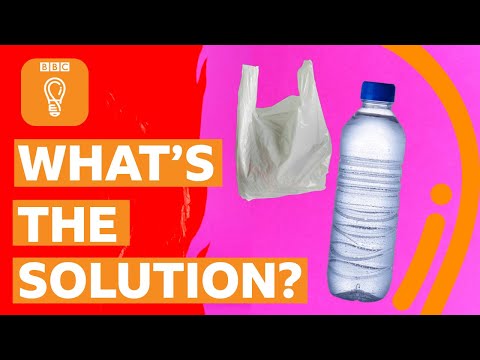
So, picture this: you’re at the beach, soaking up the sun, when you spot a jellyfish floating nearby. But wait! No, it’s not a jellyfish; it’s just a plastic bag. Bummer, right?
Plastic pollution isn’t just an eyesore; it’s pretty much taking over our oceans. Seriously, we’re talking millions of tons of plastic ending up in the water every year. That’s enough to make anyone cringe!
But here’s the kicker—there are some seriously cool ideas out there that folks are trying to fight back. From funky biodegradable materials to community clean-up events that turn into epic beach parties, innovation is everywhere!
Let’s chat about these creative strategies and how they can help us kick plastic pollution to the curb. Sound good?
Exploring Innovative Strategies in Science to Combat Plastic Pollution: Insights from 2022
Plastic pollution is a huge issue, right? You might be surprised to know that every year, millions of tons of plastic end up in oceans, rivers, and landscapes. It’s a real mess. But in 2022, scientists and researchers got super creative with their approaches to tackle this problem. Let’s explore some innovative strategies that popped up.
Biodegradable Plastics: One of the most exciting ideas has been to create *biodegradable plastics*. These are made from natural materials like corn starch and can break down more easily than traditional plastics. Imagine getting rid of your plastic bag without worrying about it hanging around for hundreds of years!
Plastic Eating Enzymes: Now, this one sounds like something out of a sci-fi movie! Researchers have discovered enzymes that can actually *eat* plastic. They’re called PETases, and they’ve been engineered to break down PET plastic (like what’s in your water bottles) into harmless substances. It’s like giving plastic a second chance at life.
Waste-to-Energy Technologies: Another major strategy involves converting waste plastic into energy. Some teams have developed processes to turn old plastics into fuel or electricity. It’s kind of poetic—using something so harmful to create energy we need!
Recycling Innovations: Traditional recycling methods can be tricky, but new technologies are making it easier. Advances in chemical recycling allow us to break down plastics back into their original building blocks. This means we can make new products without using virgin materials—a win for our planet!
Community Clean-Up Initiatives: On the ground level, communities around the world are organizing clean-up events more frequently now than ever before. Collecting litter from beaches or parks not only cleans up these spaces but also raises awareness about the impact of plastic waste.
Educational Programs: Education plays a vital role too! Schools are introducing programs focused on sustainability and reducing plastic use among young people. Teaching kids how their choices affect the environment? Totally essential!
So, basically, 2022 was an exciting year for tackling plastic pollution with fresh ideas and community efforts making waves (pun intended!). The reality is that while there’s still a long way to go, these innovative strategies give us hope that we can turn the tide against plastic waste together!
10 Effective Strategies to Mitigate Plastic Pollution: Insights from Environmental Science
Sure! Let’s chat about the ways we can tackle this huge issue of plastic pollution, shall we? It’s a big deal and affects our planet in various ways. Here’s a friendly rundown of some effective strategies based on what environmental science suggests.
1. Reduce Single-Use Plastics
This one’s a classic! Basically, cutting down on things like plastic straws, bags, and utensils can make a huge difference. You know those reusable bags you see everywhere? They’re not just trendy – they work!
2. Promote Recycling
You might think recycling is just putting stuff in the right bin, but it’s way more than that. It’s about creating systems that really process plastics properly. We need to get better at doing this – not all plastics are recyclable, and that’s important to know.
3. Develop Biodegradable Alternatives
Scientists are working hard on materials that break down naturally after use. Imagine using something that doesn’t just hang around for hundreds of years! Things like plant-based plastics could be game-changers.
4. Educate the Public
People often don’t realize how their habits contribute to plastic waste. Education campaigns can spread awareness about the impacts of plastic pollution. If everyone knows better, they’ll do better!
5. Clean-Up Initiatives
Organizing beach clean-ups or community events can help take some of the existing plastic out of our environment. Plus, they’re usually fun and create a sense of community! You feel good afterward knowing you’ve done something positive.
6. Support Legislation
Advocating for laws that reduce plastic usage or improve waste management can have long-lasting effects. It creates bigger changes at a systemic level rather than just personal efforts.
7. Innovative Packaging Solutions
Companies are getting creative! Some are looking into using less packaging or materials that aren’t harmful when discarded. Like, consider how Amazon has been shifting towards more eco-friendly packaging options.
8. Encourage Corporate Responsibility
Consumer pressure is powerful! When people demand sustainability from brands, companies start changing their practices to keep up with their customers’ values.
9. Research and Development in Waste Management
Investing in technologies that can recycle more efficiently or break down plastics even faster is key here! The more we innovate, the quicker we can tackle this issue head-on.
10. Global Collaborations
Plastic pollution doesn’t stop at borders; it’s a global problem needing global solutions! Countries working together on policies and sharing successful strategies could lead to impactful results worldwide.
So yeah, tackling plastic pollution is totally doable with these strategies if we all pitch in together! Every little effort counts toward making our planet cleaner for future generations – it’s kinda inspiring when you think about it, don’t you think? Every step matters in this fight against plastic waste!
Cutting-Edge Scientific Strategies to Combat Plastic Pollution: Innovations and Insights from 2022
So, plastic pollution is a biggie, right? Seriously, it’s everywhere. From the oceans to the deepest parts of the earth, we’re in a bit of a pickle. But there’s some cool stuff happening in the world of science that’s trying to tackle this mess. Let’s chat about some cutting-edge strategies from 2022 that are shaking things up!
Biodegradable Plastics are one hot topic these days. Scientists have been working on making plastics that break down more easily in the environment. For example, they’re creating materials from plant starches or even seaweed! So instead of sitting around for hundreds of years, these plastics could decompose in just a few months or years.
Then there’s Enzymatic Recycling. It sounds fancy, but it’s pretty neat. Researchers figured out how to use enzymes—those little biological catalysts that help make things happen in our bodies—to break down plastic waste into its original building blocks. This means we could recycle plastics not just once but over and over again without losing quality. Imagine if your old milk jug turned back into a new one instead of ending up in a landfill!
Another angle is Waste-to-Energy Technologies. Some scientists are looking at ways to convert plastic waste directly into fuel or energy. This process involves breaking down plastics using heat or chemicals and turning them into something useful like diesel or electricity. It might sound complicated (and maybe it is), but think about it: we could be using trash to power things!
And let’s not forget about Community Clean-Up Initiatives. Yeah, I know that’s not exactly high-tech, but hear me out! Local groups and organizations have been teaming up to clean up beaches and parks while raising awareness about plastic pollution. These grassroots efforts can really make a difference and inspire people to think twice before tossing their trash.
There’s even talk about AI and Robotics. Some researchers have started developing robots that can identify and collect plastic waste from the ocean—a sort of high-tech cleanup crew! These little machines can help us tackle larger areas much more efficiently than humans can alone.
Finally, we should chat about Policy Changes. It’s crucial! Countries around the world are starting to put regulations on single-use plastics and encouraging recycling programs. By making changes at the policy level, we can create environments where sustainable practices thrive.
In short, tackling plastic pollution requires creativity and teamwork between scientists, policymakers, communities, and you guessed it—technology! It’s exciting to see where these cutting-edge strategies will take us because every little bit helps turn the tide against this global problem.
You know, plastic pollution is one of those things that kinda hits you hard when you really think about it. I remember the first time I saw a documentary on it; there were these sea turtles mistaking plastic bags for jellyfish. That just broke my heart! It’s astonishing how something we use so casually ends up harming these beautiful creatures and ecosystems.
So, with all this plastic piling up everywhere – in our oceans, our parks, even in the dirt – people have started thinking outside the box. And it’s funny how necessity is the mother of invention, right? Some really innovative strategies have popped up recently that might just help us tackle this beast.
One approach that’s gaining traction is looking at bioplastics. These are made from renewable sources like corn or potato starch instead of petroleum. Imagine flipping the script and producing materials that can actually break down without leaving harmful residues behind! That’s kind of a game-changer in many ways.
Then there’s this whole movement toward circular economies. Instead of just using something once and tossing it away, what if we recycled everything? Companies are now focusing on designs that encourage recycling or even reusing their own products. It’s all about making sure materials stay in use longer instead of ending up in landfills or oceans.
And let’s not forget community action! Yeah, grassroots initiatives are sprouting everywhere. People organizing clean-up days at local beaches or parks—It’s like they’re taking matters into their own hands! And they’re not just cleaning; they’re raising awareness too. It’s amazing to see communities come together to take care of their environment.
Sure, we’ve got a long road ahead to fully combat plastic pollution—it’s a big task for all of us—but seeing these innovative strategies being implemented gives me hope. Every little bit counts, right? It’s like every person’s steps count toward a bigger journey we all share on this planet.