So, picture this: you’re out for a hike, enjoying nature, right? Suddenly, you trip over a pile of trash someone left behind. Ugh! That moment can really put a damper on your mood. But here’s the kicker: there are some seriously cool scientific approaches out there that could turn the tide on environmental issues.
It’s wild to think about how scientists are getting creative in conserving our planet. Forget boring old remedies; this stuff is like Star Wars for the environment! You’ve got drones planting trees, robots cleaning oceans, and even fungi eating plastic. Seriously, it’s like nature and technology teamed up for an epic superhero movie.
The thing is, these innovations don’t just sound cool—they’re making a real difference. Whether it’s restoring habitats or tackling pollution, science can totally change the game. So let’s dig into how these fresh ideas are reshaping our approach to taking care of Mother Earth!
Exploring Breakthrough Innovations in Environmental Conservation: A Scientific Perspective
When we talk about environmental conservation, it’s all about finding new ways to protect our planet. You see, the world is facing some serious challenges—climate change, pollution, and loss of biodiversity, just to name a few. But there are these amazing innovations out there that scientists are working on to help tackle these issues.
One cool innovation is the development of biodegradable materials. Instead of plastic that sticks around for centuries, researchers are creating items from natural ingredients like corn or sugarcane that break down more easily. It’s kind of like switching from a stubborn houseguest who never leaves, to someone who brings snacks and says goodbye after a fun evening!
Another fascinating approach involves using technology to monitor ecosystems. Sensors and drones can now gather data on everything from air quality to wildlife populations in real-time. Imagine being able to check on forests or oceans without trudging through mud or getting soaked! These tools help scientists understand how ecosystems are doing and where we need to step in to help.
Then there’s the exciting world of genetic engineering. Some researchers are actually tweaking the DNA of plants and animals to make them more resilient against climate change or pests. For instance, modifying crops so they need less water could be a game-changer in drought-prone areas. It’s like giving nature a little boost when it needs it most.
Now let’s not forget about restoration projects. Have you heard about rewilding? It’s when we bring back native species into ecosystems where they’ve disappeared. For example, reintroducing wolves into Yellowstone National Park has helped balance the ecosystem by controlling deer populations. That means healthier habitats for other species too!
Also important is the role of community involvement. Local people often have valuable insights into how their environment works. So when scientists work alongside communities—like in forest conservation projects—everybody benefits! It’s like having an extra set of eyes watching out for our environment.
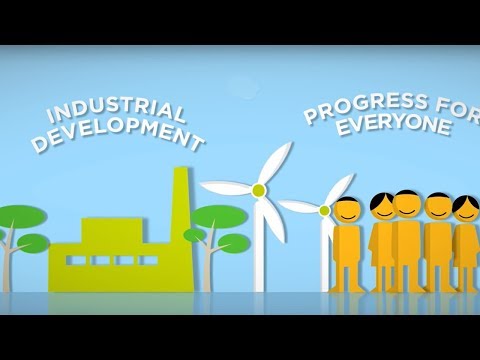
And let’s talk renewable energy. It’s not just buzzwords; innovations in solar power and wind energy are changing how we generate electricity while reducing greenhouse gas emissions. Picture using sunshine and wind instead of fossil fuels—way cleaner and better for everyone.
The thing is, these scientific advancements aren’t just cool ideas; they’re essential for creating a sustainable future. While yes, some problems seem daunting at times—invasive species or melting ice caps—we’re not out of options yet. With innovative scientific approaches coming thick and fast, it feels like there’s hope on the horizon!
So next time you hear about environmental conservation efforts or breakthrough technologies, remember: it’s all part of a bigger picture aimed at healing our beautiful planet. And honestly? That makes me feel pretty optimistic about the future!
Exploring Innovative Solutions in Science to Address Critical Environmental Challenges
You know, when we talk about environmental challenges, it’s like opening a floodgate of issues that seem to pile up over time. Climate change, pollution, biodiversity loss… it’s a lot to take in! But hang tight—science is always on the case. There are innovative solutions popping up that aim to tackle these huge problems head-on.
Let’s take a look at some cool approaches that scientists are using:
- Bioremediation: This sounds fancy, but it’s really about using living organisms to clean up polluted environments. For instance, certain plants can absorb heavy metals from the soil. Imagine a tree acting as a filter for toxins—pretty neat, huh?
- Sustainable Agriculture: You know how traditional farming can be super tough on the land? Well, innovative techniques like crop rotation and organic farming help maintain soil health. Plus, they cut down on chemical use. So it’s healthier for us and the planet!
- Renewable Energy: Solar panels and wind turbines are not just for hipster cafés anymore. They’re becoming common in households and industries too! Switching to renewable sources reduces greenhouse gas emissions significantly.
- Circular Economy: This one’s interesting. Instead of the old “take-make-dispose” model, scientists are working toward a system where materials are reused and recycled. Think of it as giving new life to old stuff instead of tossing it out.
But here’s where it gets really personal for me. I once visited an urban garden that used biophilic design—basically bringing nature into cities. It was like stepping into an oasis amidst concrete chaos! They were growing vegetables right in the middle of the city while reducing carbon footprints through local food production.
Then there’s also technology stepping up its game with things like artificial intelligence (AI). AI can analyze vast amounts of environmental data quickly—so if you’re trying to track deforestation or monitor endangered species, this tech makes life easier.
A big piece of the puzzle is community involvement too! When local residents participate in conservation efforts or citizen science projects, they bring their unique experiences into play. Just think about how much stronger an effort could be when everyone pitches in!
The reality is that while we face daunting environmental issues today, innovation doesn’t have to end there; there are creative solutions all around us waiting to be discovered and implemented. Each little win adds up, you know?
Moral of the story? Science isn’t just some abstract concept—it’s something tangible that we can all engage with daily! Even small changes matter when it comes to protecting our planet.
Exploring Approaches to Environmental Science: Strategies for Understanding Our Planet
So, let’s chat about environmental science. You know, it’s that vast field where scientists tackle everything from climate change to pollution. They’re like detectives solving the mysteries of our planet. The thing is, understanding our environment isn’t just about facts and figures; it’s all about connecting with nature and finding ways to protect it.
One cool approach is the systems thinking. Basically, instead of looking at one part of an ecosystem in isolation, you think about how all its parts interact. Picture a spider web: pull on one string and the whole thing shakes. Scientists use this method to see how changes in one area can impact everything else around it.
You might have heard about the term citizen science. This is when regular folks pitch in on scientific projects. It’s awesome because you don’t need a PhD to contribute! Remember those apps that let you record bird sightings? That’s citizen science in action! People help gather data, which can lead to big insights.
Remote sensing is another game-changer in environmental studies. It involves using satellites and drones to monitor changes on Earth from above. Imagine being able to track deforestation or melting glaciers without even setting foot there! This tech helps scientists see patterns that would be hard to catch otherwise.
- Ecosystem restoration: Often scientists work on restoring damaged ecosystems. It could be as simple as planting trees in a deforested area or creating wetlands to improve water quality.
- Sustainable practices: Environmental scientists push for practices that don’t harm nature while meeting human needs. Think urban gardening or using renewable energy sources like wind and solar power.
- Interdisciplinary approaches: These involve combining insights from different fields like biology, chemistry, and even sociology to get a well-rounded understanding of environmental issues.
A while back, I remember watching a documentary about coral reefs—those vibrant underwater cities made by tiny coral animals. Scientists are now using something called coral gardening, where they grow corals in nurseries before transplanting them onto damaged reefs. Talk about teamwork between humans and nature!
You know what else matters? Education! Instilling awareness from a young age helps people appreciate their surroundings more deeply. Schools incorporating environmental education into their curriculums are shaping future generations who care about preserving our planet.
All these strategies highlight how vital it is for us to understand our planet better. With innovative approaches popping up every day, there’s hope for conservation efforts worldwide!
You know, when you think about the environment, it can feel a bit overwhelming. Like, all those problems out there—climate change, pollution, loss of biodiversity—it’s a lot to take in. But there’s this awesome side to it too: science is stepping up its game with some really cool innovative approaches to conservation. And honestly, it’s kind of heartwarming.
I remember this time I went hiking in a national park with my friends. We were surrounded by beautiful trees and wildlife, but then we stumbled upon an area that had been affected by pollution. It hit me hard seeing nature’s beauty fighting to survive against the odds. That experience made me realize just how crucial it is for us to find new ways to protect our planet.
One thing that’s been catching my eye lately is how scientists are using technology in groundbreaking ways. For example, drones are now being used to monitor wildlife populations or assess the health of forests from above! That’s pretty nifty, right? Instead of trudging through dense forests or dangerous terrains, researchers can gather data much more efficiently and accurately from the sky.
And then there’s genetic engineering! You might say “Whoa,” but hear me out: scientists are working on modifying certain plants to make them more resilient against pests or diseases. This means they could grow better without needing tons of pesticides—which is fab for both the environment and our health. Plus, restoring ecosystems with these hardy plants can help rebuild habitats for struggling species.
And let’s not forget the power of community science! It’s really cool how everyday people like you and me can get involved in conservation efforts. Apps that let people report wildlife sightings or track local plant growth are making a significant impact. You’d be surprised at how much data we can gather just by paying attention while we’re out and about!
But I guess what makes all these approaches special isn’t just the tech itself; it’s how they bring people together. Whether it’s scientists collaborating across disciplines or communities rallying around local projects—it seems like innovation creates this huge web of support for Mother Nature.
So yeah, while all those environmental challenges can feel daunting sometimes, I think there’s hope brewing through these creative scientific solutions. Every little effort counts and reminds us that protecting the planet doesn’t have to be just heavy lifting—it can also be inventive and inspiring!