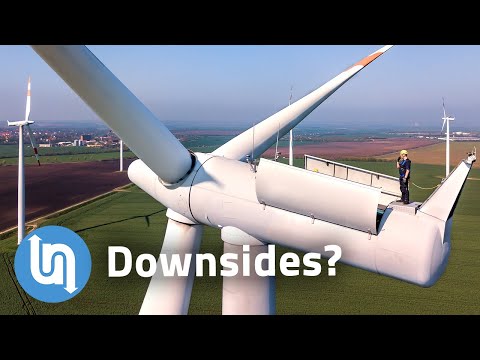
Okay, so picture this: you’re standing on a hill, wind whipping through your hair, and you see those giant wind turbines spinning away. It’s like they’re doing a little dance for you, right?
You might not think about it much, but those things are more than just pretty. They’re actually cranking out energy! But what’s the scoop on how much that energy costs? You know, like how do the numbers stack up when we talk about wind energy per kilowatt-hour?
Honestly, it’s a fascinating topic. And let’s be real—understanding those costs can change how we think about energy. Plus, there are some wild scientific implications that come along with it!
So grab your favorite snack and let’s get into the nitty-gritty of wind energy costs! You’ll be surprised at what you might learn!
Understanding the Costs of 1 Kilowatt Wind Turbines: A Scientific Analysis
Alright, let’s chat about the costs of wind energy, focusing on those 1-kilowatt wind turbines. So, you already know that wind energy is a pretty big deal when it comes to cleaner electricity. But have you ever thought about what it actually costs to generate power with these turbines? Let’s break it down.
Wind turbines work by converting the kinetic energy in wind into mechanical power, and then into electricity. The cost of producing this electricity can be measured in **cents per kilowatt-hour (kWh)**. For smaller 1-kilowatt turbines, things get a bit interesting.
Firstly, the initial costs are significant. You’re looking at expenses for materials, installation, and maintenance over the turbine’s lifespan, which can be around 20 years or more. A small turbine might cost anywhere from $3,000 to $8,000 upfront! This might seem steep at first glance.
But here’s the kicker: once you get past those initial costs and your turbine is up and running, **operational costs are relatively low**. Most of what you’re paying for daily power generation is just simple maintenance—like checking for wear and tear or ensuring everything runs smoothly.
So how does this affect the cost per kWh? Well, the total cost can be affected by several factors:
- Location: Wind speeds vary depending on where you are. If you’ve got strong winds consistently blowing in your area, you’re bound to have lower overall costs because the turbine generates more energy.
- Scale: Smaller turbines often have higher costs per kWh compared to larger ones because they don’t take advantage of economies of scale. Bigger units usually produce more power for less investment over time.
- Incentives: Sometimes governments offer incentives or subsidies for installing these systems. They can significantly reduce your upfront investment.
Now let’s talk about some real numbers here to give you a better picture. Research shows that **small-scale wind projects** sometimes have an average levelized cost of around **6 to 10 cents per kWh** when everything is taken into account—this includes installation and maintenance over time.
But remember that these numbers can change depending on location or any technological advancements that improve efficiency. Technology is always improving! For instance, as we develop better materials or designs for wind turbines, we can expect both efficiency gains and potentially lower costs.
You know what’s cool? Wind energy also has a positive environmental impact! It produces zero emissions during operation and helps reduce dependence on fossil fuels. This aspect sometimes gets overshadowed by figures but it’s so important when considering long-term sustainability.
Lastly, bear in mind that comparing different energy sources isn’t straightforward either. Fossil fuels might seem cheaper initially but don’t forget about their environmental toll and fluctuating market prices!
So there you have it! Understanding the costs associated with 1-kilowatt wind turbines gives valuable insights into how wind energy fits into our broader energy landscape now—and maybe even more so in the future as technologies continue evolving!
Analyzing Wind Energy Costs per kWh: Scientific Implications and Trends in 2022
Wind energy is definitely an interesting topic, especially when you start breaking down the costs associated with it. Let’s dig into what the cost per kilowatt-hour (kWh) looks like, and why it matters in the bigger picture.
First off, let’s talk about what cost per kWh means in the context of wind energy. It’s essentially a way to measure how much you’re spending to produce one kWh of electricity using wind. You get this number by considering several factors like installation costs, operation and maintenance, and even financing. In 2022, the average cost was dropping significantly because of advances in technology and economies of scale.
One major aspect influencing costs is the turbine technology. Wind turbines have become more efficient over recent years. They can generate more power while operating at lower wind speeds. Imagine being able to catch a gentle breeze and turn it into electricity! That’s pretty cool when you think about how far we’ve come from those bulky old turbines.
Then there’s location. Not every spot is perfect for wind energy generation. Places with consistent winds are ideal but can come with higher land costs or infrastructure expenses. It’s a balancing act; get it right, and you’re looking at some serious savings! Some regions saw their costs dip below $30 per kWh in 2022 because they capitalized on great sites.
Also, let’s not forget about government policies. Subsidies and tax incentives help keep those costs low as well. When countries or states back renewable energy projects with financial support, developers are more likely to take them on without breaking the bank.
Looking ahead, trends seem to indicate that we’ll continue seeing decreasing costs. Innovations in materials—like lighter blades made from advanced composites—are making turbines cheaper and easier to install. Plus, improvements in predictive maintenance technologies mean turbines can run longer without unexpected breakdowns.
But there’s more than just numbers here; there are real-world implications too! Think about families who might not have access to affordable electricity now having options thanks to cheaper wind power. Or consider how reducing reliance on fossil fuels impacts climate change positively—it kind of makes you feel hopeful about where we’re heading.
In summary:
- Cost per kWh: A key measure for understanding wind energy economics.
- Turbine efficiency: Ongoing advancements lead to better performance.
- Location matters: Sites with steady winds help maximize savings.
- Government support: Policies play a vital role in keeping costs down.
- Tendencies point towards lower future costs: Innovations are transforming the industry.
So basically, analyzing wind energy costs isn’t just about numbers; it tells a story of technological progress, economic strategies, and environmental impact—all wrapped up together!
Cost Analysis of Wind Energy: Understanding the Price per kWh in Renewable Energy Economics
Sure! Let’s talk about the costs related to wind energy and what that means for us, especially when we look at the price we pay per kilowatt-hour (kWh).
Wind energy has been one of the stars in renewable energy for a while now. Basically, it’s about capturing the wind’s power to generate electricity. But when you think about it, you also have to consider how much that electricity costs us.
First off, cost per kWh is a key measure in understanding how affordable or viable these energy sources are. Typically, prices for producing wind energy can hover around $30 to $60 per megawatt-hour (MWh). Translated into kWh—that’s around 3 to 6 cents. Not too shabby, right?
Now, let’s break down some of the factors influencing this cost:
- Initial investment: Setting up wind turbines can be pricey upfront. You’re talking about construction materials, land leasing, and all that jazz.
- Maintenance: Once those giant fans are up and running, they need care. Regular check-ups and repairs can add to ongoing costs.
- Location: Wind farms need to be in places with consistent winds. If you’re lucky enough to find a sweet spot with good wind patterns, costs can go down.
- Technology improvements: As technology gets better and more efficient turbines are made, prices often drop. What was once expensive may become cheaper over time.
Here’s a little story: I remember my friend telling me about their trip to a windy coast where they saw rows of these towering turbines dancing in the breeze. They were amazed at how something as simple as moving air could power homes! It made them appreciate how those initial costs lead to greener choices for our planet.
But wait—there’s more! Understanding wind energy isn’t only about money; it’s also tied closely with environmental impacts and economics. Here’s where it gets even more interesting.
Renewable sources like wind help reduce greenhouse gas emissions compared to fossil fuels. A wind farm might cost more initially than a coal plant but think long term! Lower operating costs mean less overall expense over time.
So what does this all summarize into? Well, if you’re looking at investing in renewables as an individual or government decision-maker, you’re faced with balancing initial costs, savings on operational expenses, and environmental benefits. The clearer understanding you have about these factors can make your choice easier.
And remember—although the cost of wind energy is already competitive with fossil fuels now, as technology advances and economies scale grow, we’ll likely see even better prices ahead!
In essence, understanding the economics behind prices per kWh for wind energy encourages smarter choices not just environmentally but financially for all of us!
So, wind energy, huh? It’s like one of those things we often hear about but maybe don’t dive into deeply enough. You know, I was recently standing out on a windy hilltop, watching these massive turbines spin gracefully against the sky. And it struck me how much work goes into harnessing that invisible force and turning it into something usable for our homes and lives.
Now, when we chat about the cost of wind energy per kilowatt-hour (kWh), it’s kind of a big deal. It’s not just numbers tossed around in conversations; those figures tell us a lot about our future energy landscape. Currently, on average, wind energy is pretty economical compared to fossil fuels and even some solar setups. Costs can hover around $30 to $60 per kWh depending on various factors like location and technology used. Crazy low compared to what it was back in the day!
But you might wonder why this matters so much? Well, lower costs mean more accessibility for renewable energy sources. This shift can really help reduce carbon emissions because, let’s face it—cutting down on fossil fuel dependence is crucial. The more places that can afford to implement wind power, the better for all of us.
And here’s the kicker: as technology improves and we refine how we capture wind energy, these costs are likely to drop even more! Think about all those engineers working tirelessly behind the scenes to create more efficient turbines; their efforts are paving the way for a cleaner planet.
Still, there are challenges too. Not every place has a steady breeze blowing at just the right speed—and how do you store all that energy for when the wind isn’t blowing? Those scientific questions keep researchers buzzing with ideas and solutions.
I guess what I’m saying is that every time I’m out there feeling that gusty air whip around me and seeing the turbines turning gracefully, I’m reminded of how interconnected everything is—energy costs, scientific advancements, environmental impact—it all ties together like a big intricate web. It fills me with hope for a future where clean energy plays a major role in our day-to-day lives because who doesn’t want clean air and reliable power? You feel me?