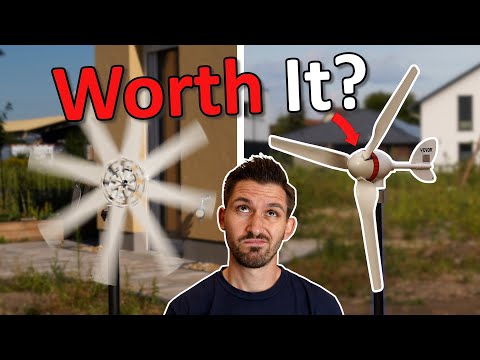
You know those windy days when you’re just trying to walk without getting blown over? Yeah, nature can really pack a punch sometimes! But here’s the thing: that same wind can actually be harnessed to power your home. Pretty cool, right?
Imagine this: you’ve got a wind turbine spinning out there in your backyard, generating enough juice to keep your lights on. A 1000-watt wind turbine can do just that. It’s like having your own personal storm at your service!
So let’s chat about how this whole thing works. It might sound complicated, but trust me, it’s not rocket science. Just some good ol’ wind power and a bit of clever engineering working together. You follow me? Let’s dive into the breezy world of wind turbines!
Understanding Energy Output: The Power Production of a 1000 Watt Wind Turbine in Scientific Context
So, let’s get into this whole energy output thing. You know, when we talk about a 1000 Watt wind turbine, we’re really diving into how much power it can produce from, well, the wind. It’s pretty fascinating stuff!
First off, what does 1000 Watts actually mean? It’s a measure of power. Basically, it tells us how much energy the turbine can generate at any given moment when conditions are right. So, if you imagine being able to run about ten 100-watt light bulbs at once—that’s roughly what a 1000 Watt turbine can do under optimal conditions.
Now, wind turbines don’t just magically produce power whenever they feel like it. They rely on something called windspeed. Most turbines start producing energy around 3-4 meters per second of wind speed. But the real magic happens when the wind gets faster—think about 12 meters per second or more! At this sweet spot, the turbine reaches its peak performance.
The efficiency of these turbines is super important too. They convert kinetic energy from wind into electrical energy using blades that spin around an axis. When the wind blows and spins those blades, they turn a generator that produces electricity. But not all of that energy gets converted perfectly; there are losses due to friction and other factors.
You might ask yourself: “But what determines how much power I can actually get?” Well, things like:
- Blade Length: Longer blades can capture more wind energy.
- Wind Speed: Higher speeds mean more electricity.
- Turbine Technology: Modern turbines are designed to be more efficient.
So imagine living in an area where there’s consistent strong winds! Like on a windy coastline or an open field—your turbine could be cranking out those watts all day long!
Let’s say you have your trusty 1000 Watt turbine in such conditions running for a full day—that’s around 24 hours of potential power generation! You could end up with about 24 kilowatt-hours (kWh) of electricity produced in one day. That could charge several electric cars or provide enough power for a typical household!
On another note, the environmental benefits are pretty solid too! Using wind energy reduces reliance on fossil fuels and lowers greenhouse gas emissions—pretty neat for our planet.
A quick story to illustrate this: A friend of mine installed one of these turbines out on his farm a couple of years ago. He was skeptical at first but ended up generating enough extra energy to offset his electric bill completely! Now he talks about how cool it feels to harness nature’s power each time he watches those blades spin in the breeze.
In summary, understanding the power production of a 1000 Watt wind turbine involves looking at how efficiently it converts kinetic energy from wind into usable electrical power while considering factors like location and design. It’s amazing how nature offers us such potent resources—we just have to know how to grab onto them!
Determining the Optimal Size of Wind Turbines for Residential Energy Needs
So, you’re curious about wind turbines, huh? That’s awesome! They are like giant pinwheels that turn wind into energy. But, seriously, determining the right size of a wind turbine for your home can feel a bit overwhelming. Let’s break it down together.
First off, what does a wind turbine do? Essentially, it converts kinetic energy from the wind into electrical energy. The bigger the turbine, the more energy it can capture. But wait! You don’t want a massive turbine if your energy needs are small, right?
Now you might be wondering about how much energy you actually need. A typical household consumes around 877 kWh per month in the U.S., but that number changes based on where you live and how many gadgets you’re using. Here’s where things get interesting: to estimate your needs accurately, it’s super important to look at your utility bills over a year; yes, all four seasons matter!
When talking about size, most residential turbines range from 400 watts to 10 kilowatts (kW). That might sound like technical mumbo jumbo, but stick with me! For instance:
- 1 kW Turbine: Great for homes that use less electricity—maybe around 300 kWh monthly.
- 5 kW Turbine: This could handle more typical households effectively—think of about 600-800 kWh per month.
- 10 kW Turbine: Perfect for larger homes or those with lots of power-hungry devices!
Okay, so let’s talk about wind speed. The area where you live plays a huge role in what size turbine you’ll need. Wind speeds of at least 9-10 mph are ideal for generating decent energy. If your locale tends to have calmer winds? You may want something smaller or combined with other renewable sources like solar power.
Also consider local regulations and zoning laws. Not all areas allow large structures like wind turbines. Sometimes it requires permits and navigating bureaucracy is never fun… Trust me on that one!
Oh! And let’s not forget maintenance costs and lifespan. Most turbines last between 20 to 25 years but might need repairs along the way. The trick is finding a balance between upfront costs and long-term savings on your electricity bill.
In my neighborhood growing up, we had this family who put up a small wind turbine just for their garden shed! At first glance, people thought they were just trying to be eco-friendly (which they totally were), but they ended up saving loads on their electricity bills too!
So when sizing up your wind project:
- Estimate monthly use based on past bills.
- Consider local wind conditions.
- Nail down potential regulations and installation costs.
To wrap things up: choose wisely based on your home’s unique needs and local environment. Wind can be an incredible resource if harnessed correctly!
Evaluating the Cost of 1000 kW Wind Turbines: Economic Insights for Renewable Energy Projects
Evaluating the costs of 1000 kW wind turbines is like looking at a puzzle, where each piece represents different factors that you gotta consider. Wind energy is becoming super popular, not only because it’s clean but also because it can be cost-effective in the long run. But what goes into those wind turbines? And how do you figure out if they’re worth the investment?
First off, let’s break down some primary costs involved in setting up a 1000 kW wind turbine:
- Capital Costs: This includes the price of the turbine itself, which can range between $1 million to $3 million, depending on the model and manufacturer. Plus, there are costs for transportation, installation, and necessary infrastructure like roads for access.
- Operational and Maintenance (O&M) Costs: After you install your turbine, there are ongoing expenses. Routine maintenance can hit anywhere from $20,000 to $50,000 a year. You’ve got to check the gearboxes and blades regularly—like taking your car in for service!
- Financing Costs: Don’t forget about interest rates if you’re taking out loans to finance the project. A good rate here can really make or break your overall budget.
- Land Lease or Purchase Costs: If you don’t own the land where you want to put those turbines, leasing or buying it will add to your expenses. Some contracts could cost thousands a year based on turbine size and location.
Now think about this: Beyond these direct costs lies another side of economic insight—the potential earnings from generating electricity. A 1000 kW turbine can generate quite a bit of power depending on wind conditions. If it’s running at full capacity for an average of 2,400 hours a year (which is decent), that means it could crank out about 2.4 million kWh annually!
Let’s say electricity prices hover around $0.10 per kWh (just for easy math). That adds up to around $240,000 per year! So when calculating your return on investment (ROI), those earnings can look pretty sweet.
But hold up; there are other elements at play too:
- Incentives: Many governments offer tax credits or subsidies for renewable energy projects. These can significantly reduce upfront costs.
- The Cost of Alternatives: Compare wind energy against fossil fuels or other renewable sources—what do they cost per kWh? Sometimes it helps illustrate why investing in wind makes sense financially.
And then there’s something else we cannot ignore—the environmental impact! Reducing carbon emissions means cleaner air and health benefits down the line.
You know what? I once met a guy who invested in a small wind farm in his hometown. He was all fired up about creating local jobs while helping combat climate change—you could just see how passionate he was! But he also learned quickly about those costs I mentioned earlier—it wasn’t just cash flowing in; there were hurdles along the way.
So when assessing whether installing a 1000 kW turbine is economically viable within your context, weigh every factor carefully: initial investments, maintenance budgets, potential returns from generated electricity and government incentives—all while keeping an eye on market trends.
In summary, assessing these turbines is more than just crunching numbers; it’s about understanding how they fit our broader goals of sustainability while still making sound economic sense! We’re talking environment AND profit here—two sides of one important coin!
Imagine standing on a hilltop, wind whipping through your hair, feeling that raw energy around you. That’s kind of what it’s like to think about wind turbines, especially a 1000-watt one. These cool machines are pretty powerful, converting the stuff that makes your face chilly into electricity. If you’ve ever watched those big turbines spinning in the distance, they almost look like art installations—graceful and strong.
So, what does a 1000-watt wind turbine do? Well, it’s not quite enough to power an entire house but can definitely take care of some needs—like lighting up a few rooms or running small appliances. You see, it catches the wind with its blades and transforms that kinetic energy into electrical energy. It’s simple yet brilliant!
I remember visiting my cousin’s place in the countryside once. They had this small wind turbine in their backyard, and I thought it was just there for looks at first! But then I saw how they used it for their water pump. It blew my mind that this piece of tech could harness nature’s power to do such practical things. It made me appreciate how we can use what’s around us instead of just relying on fossil fuels.
Of course, it’s not all sunshine and rainbows. The efficiency of these turbines depends heavily on where you install them and how often the wind blows. You might have the coolest turbine around but if there’s no breeze? Well, that’s a bit of a bummer! Also, they need space—you can’t just pop one down in your backyard without considering noise or aesthetics.
And let’s be real: while these things are eco-friendly and can help reduce our carbon footprint, they’re not a magical solution for all our energy woes. You know? It’s more like adding another tool to our toolbox rather than flipping some switch and fixing everything at once.
At the end of the day, harnessing nature’s power with something like a 1000-watt wind turbine feels like taking a step in the right direction—even if it’s small. It connects us back to nature in an age where we often feel disconnected from it. So yeah, every little bit helps when you’re trying to create a sustainable future—just like those gentle breezes doing their thing while we turn them into something useful!