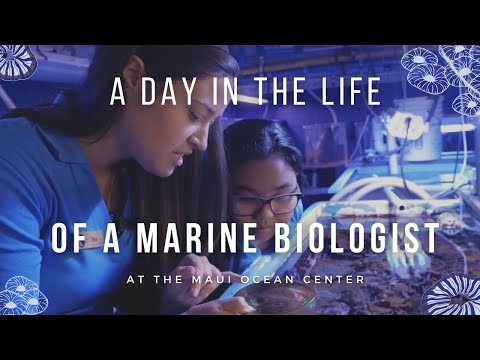
So, imagine waking up to the sound of waves crashing. Seriously, how cool is that?
You roll out of bed, and instead of grabbing your usual breakfast, you might whip up a smoothie with some seaweed. Sounds weird? Well, trust me, marine biologists do quirky things like that all the time!
Their days often start at sunrise. And guess what? They get to hang out with dolphins and sea turtles! I mean, who wouldn’t want that as part of their workday?
If you think it’s just about swimming with fish or counting coral reefs, well, you’re in for a surprise. It’s way more than just beach vibes and ocean selfies. It’s science, adventure, and maybe a bit of chaos.
Let’s take a peek into what a day really looks like for these dedicated ocean lovers. It’s gonna be fun!
Essential Steps to Becoming a Marine Biologist: A Comprehensive Guide for Aspiring Scientists
So, you’re thinking about becoming a marine biologist, huh? That’s awesome! The ocean is like this huge mysterious world full of life, and diving into it can be super exciting. But let’s break down what you need to do to chase after those waves and make a splash in the field.
First off, **you really need a strong foundation in science**. This usually starts with getting your bachelor’s degree in biology or marine science. You’ll want to soak up knowledge about ecosystems, oceanography, and even some chemistry—because water isn’t just H2O; it has way more going on than that. And hey, being out in the field is key.
Then comes your **hands-on experience**. You can get involved in internships or volunteer opportunities at aquariums or nature reserves. Trust me; this stuff is gold! You’ll learn how to handle equipment and maybe even work with some real-life research projects.
Consider pursuing an advanced degree. A master’s or even a Ph.D. can really set you apart from the crowd. In grad school, you’ll dive deeper into specialized areas like conservation biology or marine ecology—basically focusing on how to protect these underwater wonders.
Networking is also crucial. Attend conferences, workshops—whatever gets you meeting people in the field. Those connections might lead to job opportunities later on. Plus, you get to learn from others who share your passion!
Don’t forget about research skills either! Learning how to collect data accurately and analyze it scientifically will empower you throughout your career. And speaking of data collection, fieldwork is often tough but rewarding! I remember my first time collecting samples; I got totally drenched—but I also felt like I was part of something bigger than myself!
You should also brush up on your communication skills because sharing what you’ve learned is super important too. Whether it’s giving talks at schools or writing articles for magazines, being able to explain complex topics simply helps spread awareness about marine life.
Lastly, always stay curious and adaptable! The field is always changing; new species are discovered all the time and environmental challenges shift focus based on what’s happening globally. If you’re flexible in your approach, you’ll thrive.
So there you have it: the bag of tricks for becoming a marine biologist! Just remember: you won’t be alone navigating through the waves of information and experiences along the way; there’s a whole community out there excited about the same things as you are.
- Strong foundation in science.
- Hands-on experience through internships.
- Pursue an advanced degree.
- Networking opportunities.
- Research skills.
- Add communication skills.
- Stay curious!
So grab your snorkel gear and get ready for an adventure beneath the surface!
Exploring Career Opportunities for Marine Biologists: Where Science Meets the Sea
Marine biology is one of those fields where you get to blend science and adventure. Imagine waking up every morning knowing you’ll be working near the ocean, surrounded by all sorts of fascinating creatures. That’s the life of a marine biologist! But what does that really look like? And what kind of careers can you pursue in this watery world? Let’s take a closer look.
First off, marine biologists study the plants and animals in our oceans. They explore everything from tiny plankton to massive whales. Their work can include research, conservation efforts, and even education about ocean health.
So, where do marine biologists find work? Well, here are some key areas:
- Research Institutions: Many marine biologists work with universities or government organizations. They conduct experiments and studies on various marine species.
- Conservation Organizations: Some focus on protecting marine environments. They advocate for policies to safeguard ocean life.
- Aquariums: You might think of these places as just for entertainment, but they also play a huge role in education and research.
- Government Agencies: These folks help manage fisheries or monitor environmental changes affecting oceans.
- Consulting: Some marine biologists advise businesses on how their activities might impact the ocean.
Imagine spending your days collecting water samples or observing sea turtles in their natural habitats. It sounds dreamy, right? But it can be tough too! The job often requires long hours—sometimes out in the sun or even underwater. That’s where the dedication comes in.
Now, let’s chat about education. Usually, you’ll need at least a bachelor’s degree in marine biology or a related field. Many professionals go on for master’s or Ph.D.s because it opens more doors and makes them more competitive for those awesome research positions.
And speaking of competition—getting into this field can be challenging! Many people want to work with dolphins or study coral reefs. So gaining experience through internships is key! Volunteering at local aquariums or joining research projects can really set you apart.
Another thing to consider is that this field offers varied paths based on personal interests. Love diving? You might become a field researcher tracking fish populations. Prefer lab work? Maybe analyzing water quality is more your gig!
With threats like climate change and pollution looming over our oceans, there’s never been a better time to dive into marine biology (pun intended). The need for passionate individuals ready to tackle these issues is crucial.
So next time you’re at the beach enjoying the waves or watching dolphins leaping around, think about all those dedicated scientists working behind the scenes to keep our oceans vibrant and healthy—maybe one day it could be you!
A Day in the Life of a Marine Biologist: Exploring Oceanic Wonders and Scientific Discovery
So, let’s picture a day in the life of a marine biologist. This is one of those jobs that sounds like pure magic, right? I mean, working with ocean life and exploring the mysteries beneath the waves? Pretty cool stuff!
Waking up can be a mix of excitement and bleary-eyed determination. Early mornings are common because the best time to get out there is often when the world is just beginning to stir. Imagine this: you wake up before sunrise, your eyes squinting against that harsh morning light. You brew a strong cup of coffee, and as you sip it, all those thoughts about your day start swirling around.
Once out the door, it’s off to the field or to the lab—depending on what’s on the agenda. Fieldwork can mean a boat ride out into open waters or spending hours on a rocky shoreline. And sometimes it involves diving down into those mysterious depths! You jump in wearing your wetsuit, and suddenly you’re surrounded by vibrant corals and schools of shimmering fish. It’s like stepping into an entirely different world. Seriously breathtaking.
But wait! A marine biologist doesn’t just splash around for fun—there’s science behind all this joy! You might be collecting water samples to test for pollutants or gathering data on fish populations. It’s all about understanding how these ecosystems work and what threatens them. Imagine coming across coral bleaching—that’s when corals lose their color due to stress—and feeling that twinge in your gut because you know it’s not just beautiful—it’s vital for marine life.
Back at the lab after a day outdoors, that excitement continues as you analyze everything from DNA samples to environmental data. This is where the real magic happens. Remember those samples? Now they’re under microscopes or being logged into computer systems for further analysis. It can feel tedious at times, but every little piece of information adds up to something huge in understanding our oceans better.
And there are days filled with lectures—like presenting findings at conferences or educating others about marine issues like overfishing or climate change impacts on coral reefs. Sharing knowledge is key! The idea is not just to study but also *to motivate* others about these amazing ecosystems we rely on.
As night rolls around, and maybe after some well-deserved dinner—that could totally be seafood inspired—you might find yourself reflecting on what you experienced that day. There could’ve been an unexpected encounter with a dolphin pod or spotting an endangered species while diving! These moments create stories worth telling over drinks with friends later.
So yeah, being a marine biologist might mean spending plenty of time outdoors—getting sandy and wet—but it also involves crunching numbers and finding new ways to communicate vital research findings. It’s filled with wonder but grounded in hard work too.The ocean isn’t just their office; it’s also their biggest passion.
At the end of it all, there’s this sense of responsibility too; they feel accountable for protecting something so beautiful yet so fragile—the ocean that covers most of our planet needs its champions! And for many marine biologists, every dive into those deep blues reinforces why they chose this path in the first place: wonder meets science meets advocacy—a pretty fulfilling combo if you ask me!
Waking up to the sound of waves crashing against the shore is, like, one of those things that makes you realize how lucky you are, right? For a marine biologist, every day is kind of an adventure. You get to explore the ocean and all its mysteries. Seriously, it’s a whole new world down there!
Picture this: it’s early morning, and you’ve got your coffee in hand (because caffeine is life, am I right?). You check your gear—like sample containers and underwater cameras—and head out to meet your team. The excitement is palpable. Will today be the day you discover something new?
Once you’re on the boat, there’s this vibrant energy buzzing around. Everyone’s chatting about their research and what they hope to find. It’s super inspiring! You might be studying coral reefs or tracking sea turtles; either way, it’s all about understanding these beautiful creatures and their habitats.
Then there are those moments when you dive into the water. Wow! It’s like stepping into a different planet. The colors are unreal – blues and greens everywhere! You’re suddenly surrounded by fish darting around like they’re playing tag. Then maybe you see a dolphin in the distance? Heart racing just thinking about it!
But not everything is easy-peasy. There are challenges too; sometimes weather doesn’t cooperate, or equipment malfunctions at just the worst times. And let me tell ya, there can be intense days filled with data collection that feel more like detective work than anything else.
After a day in the field, back on land feels different—there’s this mix of exhaustion and satisfaction in knowing you’ve contributed to something much bigger than yourself. It’s not just about science; it’s about advocacy for protecting these precious ecosystems.
And then there are evenings spent analyzing data or sharing findings with colleagues over pizza or beers (that part is essential). Suddenly, you’re part of this tight-knit community that genuinely cares about our oceans.
So yeah, being a marine biologist isn’t just a job; it’s a way of life filled with curiosity and passion for preserving our blue planet. Who wouldn’t want that?