You know that feeling when you’re at the beach, the sun’s shining, and you suddenly spot a dolphin jumping out of the water? It’s one of those magical moments that stick with you. But then you think about all the stuff happening beneath the waves. Crazy, right?
It’s wild how much we rely on oceans. They give us food, oxygen, and a bit of that calming blue vibe we all love. But here’s the kicker: they’re in trouble. Like, really in trouble.
From plastic trash to overfishing, our oceans are facing some serious challenges. And if we don’t step up now, those dolphins might be just a memory.
So let’s chat about marine life conservation. What does it even mean? And why should we care? There’s so much to uncover! Buckle up; this is gonna be a ride through what makes our oceans tick and how we can help keep them alive and kicking!
10 Science-Backed Strategies to Protect and Preserve Our Oceans
So, oceans. They’re not just big, blue puddles; they’re vital to our planet. Seriously, think about it! They cover over 70% of the Earth’s surface and house an incredible amount of life. Yet, they’re in danger from pollution, climate change, and overfishing. So what can we do to help protect them? Here are some science-backed strategies that might just make a difference.
1. Reduce Plastic Use
Plastic pollution is a massive issue for oceans. Every year, millions of tons of plastic end up in the water. You know those cute sea turtles? They sometimes mistake plastic bags for jellyfish! By cutting down on single-use plastics—like straws and bags—you can help reduce this problem.
2. Support Sustainable Seafood
When you choose sustainable seafood, you’re opting for fish that are caught or farmed using methods that don’t harm the ecosystem. This helps maintain fish populations and supports fishing communities too! So next time you buy fish, check if it’s sustainably sourced.
3. Participate in Beach Clean-Ups
Beach clean-ups are not just fun; they’re effective! When you pick up trash from beaches, you prevent it from washing into the ocean where it can harm marine life. Plus, it’s a nice way to meet people who care about the same issues!
4. Advocate for Marine Protected Areas (MPAs)
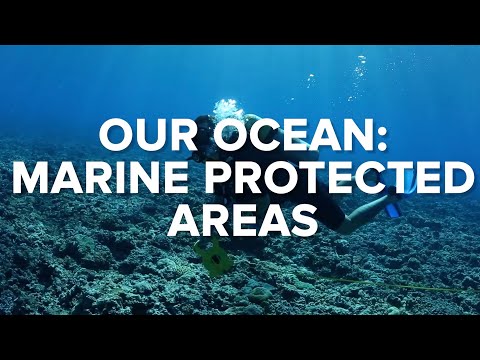
MPAs are regions where human activity is restricted to protect marine ecosystems—kind of like nature’s safe zone for fish and corals! Supporting policies that create these areas can really help biodiversity flourish.
5. Educate Others
Knowledge is power! Sharing what you know about ocean conservation with friends and family raises awareness and could inspire them to take action too. It’s like creating ripples in a pond; one small act can lead to bigger waves.
6. Conserve Water
Believe it or not, conserving water helps oceans too! When we use less water at home, we reduce runoff that washes pollutants into ocean waters during rains. Little changes like fixing leaks or turning off the tap while brushing your teeth make a big difference.
7. Be Mindful of Your Carbon Footprint
Climate change affects ocean health dramatically—think rising temperatures and acidification! By reducing your carbon footprint through public transport or biking more often, you’re helping tackle this serious problem.
8. Keep Invasive Species at Bay
Invasive species can disrupt local ecosystems and outcompete native species for resources—bad news all around! Clean your gear before moving between different environments (like lakes to oceans) to prevent spreading invaders.
9. Support Scientific Research
Funding research projects contributes to understanding marine life better and figuring out how best to protect them in the long run—the smart way forward with data backing us up!
10. Join Conservation Organizations
Getting involved with organizations dedicated to marine conservation amplifies your efforts even more; they often have campaigns going on that you can join or support financially if you’re able.
So there you have it—10 pointers on how we can protect our oceans together! Each little action counts towards making waves (pun intended!) of change in preserving these vital ecosystems which give so much back to us as well!
5 Effective Strategies for Safeguarding Marine Life: Insights from Marine Science
Protecting our oceans is like safeguarding a treasure chest full of wonders. Marine life is crucial not only for the planet’s health but also for our wellbeing. When thinking about how to help, there are some effective strategies that really stand out. Here are a few insights from marine science.
- Marine Protected Areas (MPAs): These are designated zones where human activities are restricted or managed to conserve biodiversity. Think of them as safe havens for fish, coral, and other marine creatures. When MPAs are established, fish populations can rebound, and ecosystems flourish. It’s pretty beautiful to see the underwater world thrive when it gets a breather!
- Reducing Plastic Pollution: You know that feeling when you see plastic in the ocean? It’s just heartbreaking! Marine animals can mistake plastic for food or become entangled in it. By cutting down on single-use plastics and pushing for better waste management systems, we can help keep our oceans cleaner. Every little bit counts—like bringing your own reusable bag or using less plastic at home.
- Sustainable Fishing Practices: Overfishing has been a major issue for marine ecosystems. Implementing sustainable practices means catching fish in a way that ensures populations remain healthy and habitats aren’t destroyed. Techniques like quota systems and seasonal bans allow fish to recover, which is super important for the balance of life under the waves.
- Restoration Projects: Sometimes, it takes a little help to get things back on track. Projects aimed at restoring coral reefs or mangroves can make a massive difference! For instance, replanting seagrasses not only provides habitat but also helps combat ocean acidification by absorbing CO2 from the water—talk about multitasking!
- Community Engagement and Education: This one is close to my heart! When people understand the value of marine life, they’re more inclined to protect it. Grassroots movements and educational programs inspire communities to take action—from beach clean-ups to advocating for policies that protect marine environments—you know? When folks come together with knowledge, change happens!
So basically, protecting marine life isn’t just about implementing policies or regulations; it’s about **all** of us getting involved! Each strategy layered together creates an impact that resonates through generations. Just think of how much beauty lies under those waves waiting to be preserved!
Marine Life Conservation Organizations: Advancing Scientific Research and Protection of Ocean Ecosystems
Marine life conservation organizations play a vital role in protecting the oceans and the countless creatures that call them home. The thing is, our oceans are under threat from pollution, climate change, overfishing, and habitat destruction. So these organizations work diligently to research and implement strategies that help keep marine ecosystems healthy.
One of the key focuses of these groups is **scientific research**. They conduct studies that explore everything from the behaviors of dolphins to the health of coral reefs. This research is essential because it gives us a clearer understanding of how marine species interact with each other and their environments. For example, knowing how fish populations fluctuate can help manage fishing practices sustainably.
Moreover, many organizations actively engage in **restoration efforts**. This could mean replanting seagrasses or rebuilding coral reefs. Did you know that some corals can be grown in nurseries before being transplanted back into their natural habitats? It’s kind of like gardening underwater! Restoring these ecosystems not only helps marine life thrive but also boosts local economies through tourism and fisheries.
Education is another important aspect of what these organizations do. By raising awareness about ocean issues, they inspire people to take action in their own lives, which is pretty powerful! Imagine a community coming together to reduce plastic waste or take part in beach clean-ups—each small action adds up to make a big difference.
And then there’s **policy advocacy**. Many conservation groups work with governments to create laws that protect marine environments. This might involve pushing for larger marine protected areas or stricter regulations on fishing quotas. These legal frameworks are crucial because they ensure long-term protection for vulnerable species and habitats.
In addition, many organizations collaborate with local communities around the world. You see, local knowledge can be incredibly valuable for conservation efforts. By involving those who depend on the ocean for their livelihoods, conservationists can develop strategies that benefit both people and marine life.
To sum it all up: Marine life conservation organizations are essential allies in the quest to protect our oceans. Through scientific research, restoration projects, education initiatives, policy advocacy, and community engagement, they are making strides toward healthier marine ecosystems for future generations.
So next time you stroll along a beach or dive into clear waters, think about all those dedicated folks working behind the scenes—making sure those beautiful ocean views stay vibrant for years to come!
You know, oceans are this vast, mysterious place that covers more than 70% of our planet. It’s like an entire world under the waves, full of colorful creatures and incredible ecosystems. I remember this one trip I took to the beach when I was a kid. There was this tide pool filled with crabs and tiny fish darting around—just such a vibrant scene. That experience kinda stuck with me and opened my eyes to how fragile these environments are.
Now, let’s chat about marine life conservation. It’s not just a fancy term for saving fish and corals; it’s about protecting the intricate web of life that supports everything from tiny plankton to massive whales. Seriously, every little piece plays its part. For example, did you know that seagrass beds can absorb carbon dioxide? They help combat climate change while also providing a nursery for baby fish. Pretty cool, right?
But here’s where things get tricky: pollution, overfishing, and climate change are like those annoying villains in movies—they’re wreaking havoc on our oceans. When we dump plastic into the sea or overfish certain species, it throws everything out of balance. Imagine a giant game of Jenga—you pull one piece out too aggressively, and the whole thing tumbles down.
So what do we do about it? Well, it’s all about raising awareness and pushing for sustainable practices. Every time you choose sustainable seafood or pick up trash at your local beach, you’re making a difference—even if it feels small at times. And connecting with local conservation groups can amplify those efforts.
At the end of the day, loving our oceans means caring for every little creature in them. It’s easy to feel overwhelmed by all the problems we face but remember that even small actions add up over time! So next time you’re near water—whether it’s a lake or an ocean—take a moment to appreciate the beauty there and think about what you can do to help keep it thriving. It may be just one ripple in an ocean of change but every ripple counts!