You know what’s wild? The ocean is home to about 230,000 known species. Crazy, right? But here’s the kicker: scientists think there could be up to two million species just waiting to be discovered!
So, imagine we’re chilling on a beach, sipping our drinks. Suddenly, I point at the waves and say, “Hey, what if all that water holds some undiscovered critter that could change everything?” Sounds like a movie plot, huh? But it’s more real than we think.
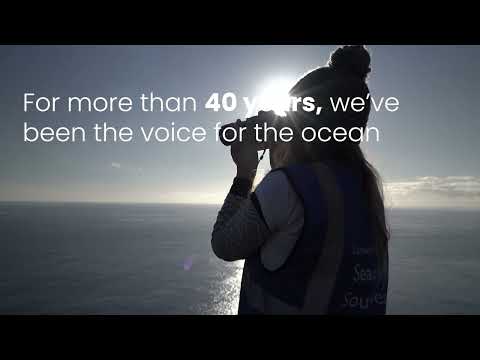
That’s where organizations like the Marine Conservation Society come into play. They’re not just about saving turtles and whales; they’re all about getting everyone—yes, even you—pumped up about ocean science.
Through their work in scientific outreach, they’re making a splash in how we connect with the sea. It’s all about sharing knowledge and rallying folks to protect our blue planet. So let’s dive into why this matters so much!
Exploring the Role and Objectives of the Marine Conservation Society in Marine Science
The Marine Conservation Society (MCS) plays a crucial role in marine science, acting as a bridge between research, policy, and everyday people. Its main goal is to protect the marine environment and promote sustainable practices. But how exactly do they go about it? Let’s break it down.
Advocacy and Awareness is one of their key objectives. They work hard to raise awareness about marine conservation issues. You might find them organizing beach clean-ups or educational campaigns that highlight the dangers of plastic pollution. This outreach helps inform people about what’s at stake in our oceans and how they can help.
Then you have research and data collection. MCS collaborates with scientists to gather vital information on marine species and habitats. By analyzing data on fish populations, they can track the health of different species over time. This research is not just academic; it informs policy decisions that can lead to real change.
Another important aspect is policy engagement. MCS doesn’t just sit back while the government makes decisions that affect our oceans. They actively engage with policymakers to advocate for stronger protections for marine environments. For instance, if new fishing regulations are needed to protect certain fish populations, MCS provides evidence-based recommendations to lawmakers.
Community involvement is also a big part of what they do. The society encourages local communities to get involved through citizen science initiatives. These programs allow everyday folks to contribute by collecting data or reporting sightings of marine life. It’s amazing how just having people engage with nature can foster a deeper appreciation for the ocean!
And let’s not forget education. MCS creates resources for schools and community groups that make learning about marine science fun and engaging. They understand that educating young minds today will shape how we treat our oceans tomorrow.
In summary, the Marine Conservation Society has its fingers in many pies when it comes to protecting our oceans. Whether it’s through advocacy, research, policy work, community engagement, or education, they tackle numerous aspects of marine conservation head-on. It’s all about fostering a sustainable future for our seas!
Exploring the Financial Backing of the Marine Conservation Society: Key Funders and Their Impact on Marine Science
When we think about protecting our oceans, the name Marine Conservation Society (MCS) often pops up. This organization works tirelessly to preserve marine life and habitats in the UK. But, like any other charity or organization, they need money to keep swimming! So let’s splash into who funds them and what that means for marine science.
First off, the MCS gets financial backing from a mix of sources. Some of these folks are regular donors, while others are big organizations or even government grants. Each source plays a unique role in supporting the society’s mission.
Individual Donations: One of the biggest boosts comes from people like you and me! Regular donations from members and supporters make up a significant chunk of their funding. It’s heartwarming to see how passionate folks are about marine conservation.
Corporate Partnerships: Then there are companies that buddy up with MCS to support various initiatives. These partnerships can provide both financial aid and resources. It’s kind of like teaming up; companies in sectors like fishing or tourism realize that protecting marine ecosystems is crucial for their own future.
Grant Funding: Another lifebuoy for MCS comes from grants provided by different bodies—both governmental and non-governmental organizations (NGOs). For example, research grants aimed at studying biodiversity or ocean health can help them conduct vital studies.
So why does all this funding matter? Well, without these financial lifelines, MCS wouldn’t be able to conduct important research or implement projects effectively. They rely on data to drive their initiatives—like understanding fish populations or mapping out sensitive habitats.
But there’s another layer here too: It’s about how these funds get used. Each dollar can lead to impactful outreach programs aimed at educating the public about marine issues! Ever heard of those beach clean-up events? Yep, funded by supporters—they’re not just cleaning beaches; they’re promoting awareness too!
In summary, when you look at all those streams of funding—individuals, corporations, grants—it becomes clear how interconnected everything is in marine conservation efforts. This financial boost feeds into science and public engagement alike, creating a vibrant ecosystem for saving our oceans.
So next time you hear about the Marine Conservation Society or see one of their campaigns, remember: it’s not just about talking big; it’s about those funds flowing in helping protect our beautiful blue planet!
Exploring Leadership in Marine Conservation: Who is the CEO of the Marine Conservation Society?
Exploring Leadership in Marine Conservation
When thinking about marine conservation, it’s super interesting to look at who’s steering the ship, right? The Marine Conservation Society (MCS) plays a big role in protecting our oceans, and knowing who’s in charge can give us insight into their mission and vision. Currently, the CEO of the MCS is Dr. Tania Webb. She stepped into this role bringing a wealth of experience and passion for marine life.
So, what does the MCS do? Well, they focus on a bunch of activities aimed at making our seas healthier. The organization works to protect marine species and habitats through research, outreach, and policy changes. They aim to make you care about your ocean because the health of our seas is deeply connected to everything around us—even your everyday choices!
Dr. Webb’s background is pretty impressive too! She’s been involved in environmental work for many years and has a solid foundation in both science and leadership. Her commitment really aligns with what MCS stands for: advocating for sustainable practices while rallying people around conservation efforts.
Why Leadership Matters
Leadership in organizations like this affects how effectively they can operate. A strong leader can inspire teams, engage communities, and influence policies that protect marine life. Dr. Webb promotes scientific outreach, which is vital because it helps connect the science of marine conservation with everyday people like you and me.
Think of it this way: when you hear about climate change or pollution affecting oceans, it feels distant sometimes—like something we can’t touch or see directly. But with good outreach leadership, groups like MCS help translate those complex scientific ideas into something relatable so you get why it matters.
- Community Engagement: They involve local communities in decision-making processes.
- Educational Programs: They run programs that educate people on marine life.
- Policy Advocacy: They push for stronger regulations to protect oceans.
You see how impactful one leader’s vision can be? Dr. Webb isn’t just managing an organization; she’s setting an agenda that affects communities far beyond her office walls.
In short, knowing who leads organizations like the Marine Conservation Society gives us a deeper understanding of their mission—and inspires us to think about what we can do individually for marine conservation!
You know, just the other day, I was reminiscing about a summer trip I took to the coast. The beach was stunning, with waves crashing and seabirds diving for fish. But as I walked along the shore, I couldn’t help but notice bits of plastic washed up among the shells. It’s a bit heart-wrenching, really. It got me thinking about how important marine life is and how efforts like those from the Marine Conservation Society play a pivotal role in protecting our oceans.
So here’s the thing: scientific outreach isn’t just some fancy concept thrown around by scientists in lab coats. It’s about making science relatable and accessible to everyone. Organizations like the Marine Conservation Society spread awareness about marine issues—from overfishing to pollution—and they do it in ways that resonate with all of us. You might hear them doing everything from beach clean-ups to interactive workshops that invite people of all ages to get involved.
I remember attending one of their local events last summer. There were families building sandcastles right next to volunteers sorting through rubbish collected from the beach. It was incredible! People were learning how trash impacts marine life while having fun in the sun at the same time. That’s what makes outreach super powerful; it connects facts with feelings, turning apathy into action.
But here’s another layer: when scientists engage with communities, they empower individuals to be part of something bigger than themselves—like saving our oceans! They share their findings in simple terms, helping everyday folks understand things like coral bleaching or plastic degradation without needing a PhD. It’s kind of like translating complex ideas into stories we can all grasp.
And truthfully? The ocean needs us all on board if we’re going to tackle these challenges effectively. So every time you see an organization pushing for marine conservation through education and outreach, think of it as more than just science; it’s a call for teamwork between experts and everyday people.
Essentially, keeping our oceans safe is a lot like nurturing any relationship—you need communication and connection for it to thrive! And who knows? Maybe next time you’re at the beach and catch sight of dolphins leaping out of waves or sea turtles gliding by, you’ll feel inspired enough to join in on that effort too—because after all, we’re all part of this beautiful blue planet together!