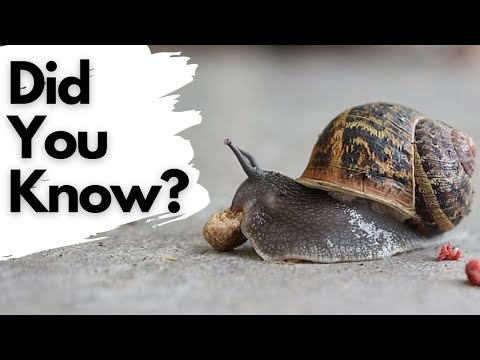
Alright, picture this: a garden snail, cruising around your backyard like it owns the place. It’s slow, right? But you know what? Those little guys have a fascinating life going on beneath that slimy shell.
Every time I spot one, I can’t help but think about how easily we overlook them. Seriously! They’re like the ninja of the garden world. You might not notice them until they’re munching on your prized lettuce.
But let’s take a moment and appreciate what they bring to nature. These tiny mollusks are doing some heavy lifting in their habitats. From aerating the soil to being part of the food chain, they’re kind of a big deal! So hang tight as we dive into the wild world of garden snails—their cool anatomy and what all those squishy bits actually do!
The Ecological Role of Garden Snails: Understanding Their Purpose in Ecosystems
Garden snails, with their slow, slimy ways, might not seem like ecological powerhouses at first glance. But dig a little deeper, and you’ll find they’re actually playing quite the crucial role in our ecosystems. You know, it’s like they’re the unsung heroes of your backyard!
1. Nutrient Recycling
One of the major things garden snails do is recycle nutrients. When they munch on decaying leaves, organic matter, and even some fungi, they break it down into smaller bits. This process makes nutrients more accessible to plants, helping them grow strong and healthy. So next time you see a snail chomping away at that old lettuce leaf in your garden, think about all the goodness it’s unlocking for those flowers and veggies around it!
2. Soil Aeration
Another cool thing about these little guys is their impact on soil structure. As they travel through the soil, they create tiny tunnels. This helps air and water move through the ground more easily—kind of like giving nature’s earth a little massage! This aeration can benefit plant roots immensely.
3. Food Source for Other Wildlife
And let’s not forget about their role in the food web! Garden snails provide nutrition for a variety of animals: birds love to snack on them; frogs will hop at the chance to catch one; and some mammals also enjoy a snail treat. Without them, many creatures would face food shortages.
4. Indicators of Ecosystem Health
You know how you can tell if something’s wrong with your car by just hearing strange sounds? Well, garden snails can signal changes in their environment too! If there’s pollution or habitat destruction happening nearby, their populations may decline or even disappear entirely. Scientists often monitor these creatures as indicators of overall ecosystem health.
I remember one summer when my grandma had this beautiful garden overflowing with flowers and vegetables. One day I found a bunch of snails cozied up under some leaves after a rain shower—it was like discovering hidden treasures! Little did I know then that those seemingly insignificant critters were working hard behind the scenes to keep everything thriving.
So all in all, garden snails might be small and slimy (and yeah, sometimes they make you think twice before stepping barefoot outside). But when you understand their ecological role—be it nourishing soil or supporting local wildlife—they become an important piece of our environmental puzzle!
Exploring the Anatomy and Functionality of Garden Snails: Insights into Their Role in Ecosystems
Garden snails might seem like simple creatures, but there’s a lot going on with them that’s pretty interesting! These little guys are not just slow movers; they play important roles in their ecosystems. So, let’s explore how they work!
Anatomy of Garden Snails
First off, let’s talk about what makes up a garden snail. They have a soft body that’s kinda squishy, and it’s protected by a hard shell. This shell is made of calcium carbonate, which is like nature’s armor. The spiral shape isn’t just for show; it helps them maintain moisture and gives them strength. You know how you curl up when it gets chilly? Well, snails do something similar to protect themselves.
Now, their body has different parts with specific functions:
- Foot: This is the broad, flat part they use to crawl around on surfaces. It helps them glide smoothly over soil or leaves.
- Visceral mass: Inside that shell lies all the important organs—like their stomach and reproductive bits.
- Mantle: This is a layer of tissue just under the shell that helps make it and also plays a role in respiration.
- Antennae: They’ve got these two pairs of tentacle-like structures on their heads; one pair is for seeing (and can actually detect light!) and the other for smell.
You can see why these little dudes are more than just slimy blobs!
Functionality of Garden Snails
So what do garden snails actually do? Well, they’re pretty busy! Here are some key points about their functionality:
- Nutrient recycling: Snails munch on dead plant matter, fungi, and even other decaying animals. By doing this, they break down organic material which enriches the soil.
- Food source: They’re like snacks for many animals—birds, mammals, you name it! This means they play an important role in the food chain.
- Soil aeration: As snails burrow in the ground while looking for food or shelter, they help aerate the soil. This keeps it healthy and allows water to flow better.
There was this time I was gardening with my grandma when I was younger—she loved her flowers. One day we found a bunch of garden snails munching away at some leaves we thought were dead. Instead of getting mad at them, she explained all these roles they had in keeping our garden alive! It was an eye-opener.
The Role in Ecosystems
In broader terms, garden snails really help maintain ecosystem balance:
- Biodiversity support: By eating various organic materials and being part of the food chain themselves, snails contribute to ecosystem diversity.
- Pest control: Believe it or not—alongside enjoying dead stuff—they can also consume certain pest species that might harm plants.
Plus, climate change has been impacting how these creatures live too! Their activity levels can change based on temperature and moisture levels because they’re so sensitive to their environment.
So next time you spot one inching along your flower bed or creeping across your patio, remember—they’re not just being slowpokes; they’re essential parts of our gardens and ecosystems!
Exploring the Anatomy and Functionality of Garden Snails: A Scientific Analysis of Their Role in Ecosystems
Garden snails, those slow-moving creatures you might spot gliding across your garden, are pretty fascinating when you dig into their anatomy and functionality. Seriously, there’s way more to them than meets the eye!
First off, let’s talk about their anatomy. Garden snails belong to a group of animals known as gastropods. They’ve got a soft body protected by a hard shell, which is basically their portable home. This shell isn’t just for show; it helps protect them from predators and harsh weather. Can you imagine carrying your house on your back? I mean, that’s pretty wild!
The shell is actually made of calcium carbonate. This material is produced by the snail itself. As they grow, their shells grow too! But that’s not all—snails have a muscular foot that stretches out beneath them like a cushion during their movement. This foot contracts and expands to help them glide along surfaces smoothly.
The functionality of these little guys goes beyond just looking cute in the garden. Snails play crucial roles in ecosystems.
- Nutrient Recycling: They help break down organic matter like dead leaves and decaying plants. When they munch on this stuff, they return essential nutrients back into the soil, making it healthier for other plants.
- Food Source: Various animals love snails as a part of their diet! Birds and small mammals often feast on them, creating an important link in the food chain.
- Pest Control: Believe it or not, some types of snails also feed on harmful pests in gardens. By keeping those pesky bugs at bay, they help maintain the balance of the ecosystem.
One time I was gardening and found one of these little guys tucked away under a leaf! It kind of made my day just watching it slowly exploring its surroundings. It’s like even in thhe tiniest moments, nature has its magic going on.
You might find it interesting that garden snails are also hermaphrodites. They have both male and female reproductive organs! After mating (which can be quite a process), they lay eggs in moist soil or under leaves—ensuring hatching babies have food nearby when they emerge.
Amazing how such small creatures can make such big contributions to our environment! So next time you spot a garden snail taking its sweet time across your yard or park, know you’re witnessing an important part of nature at work—albeit at a snail’s pace!
So, garden snails, huh? I mean, when you think about them, it’s easy to overlook these little guys. They’re just crawling around doing their snail thing, right? But if you take a moment to really look closer at them, there’s so much going on beneath that slimy exterior.
First off, let’s talk about anatomy. Snails have this cool shell that they basically carry around like a portable house. It’s not just for show! This shell protects them from predators and extreme weather—a bit like a cozy fortress. If you’ve ever seen one peek out of its shell, that’s its foot extending outwards; it’s the muscle that lets them move along surfaces. You know how we squish our feet into shoes? Well, snails glide using mucus to keep things slick and smooth—pretty smart adaptation if you ask me!
And speaking of mucus—gross or fascinating? It keeps their bodies moist and helps with traction as they slide over rocks and plants. Just imagine the amount of slime! They also have tentacles on their heads that help them see and smell. It’s kind of heartwarming in a way; these soft creatures are doing their best to navigate the world around them.
I remember once coming across a garden snail while watering my plants. It was just chilling on a leaf after a rainy day—shell gleaming with beads of water like little jewels. There was something magical about how peaceful it seemed in its tiny universe. And it hit me then: even the slowest creatures can have this rich experience of life.
Now, onto functionality! Snails play key roles in ecosystems too. They’re not just cute; they help break down decaying plant material and recycle nutrients back into the soil—like nature’s little gardeners! Plus, they’re food for other animals: birds love snacking on them when they’re feeling peckish.
But life for these tiny critters isn’t all sunshine and rainbows. Their populations face challenges from habitat destruction and pollution—not fun stuff for an animal that relies so much on specific environments. It makes you think about our role in protecting even the smallest beings in nature.
So next time you see a garden snail just hanging out in your yard or creeping across a pathway, take a moment to appreciate the little guy—its intricate anatomy and important job in nature’s grand system. Seriously—it might change how you see this unassuming creature forever!