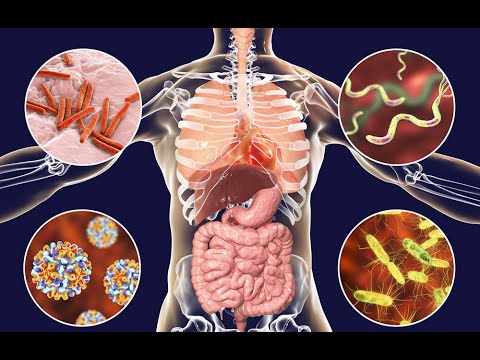
You know that moment when you’re at a party, and someone casually mentions they just got over some bizarre ‘bug’? It’s like the room goes silent. Everyone leans in, curious about what kind of germ made its way into their world.
Microbial diseases are these sneaky little guys, right? They can turn your average day into a total drama fest. One minute you’re living your best life, and the next, bam! You’re hit with some virus nobody’s ever heard of.
And here’s a fun fact: more people have been wiped out by microbes than wars! Crazy, huh? It’s not just about the cold or flu; we’re talking about stuff like tuberculosis or even malaria.
But it’s not all doom and gloom. A lot of these nasty bugs can be prevented if we know how to keep them at bay. So let’s chat about them, shall we? Understanding their impact could totally change how we deal with our health. You feel me?
Strategies for the Prevention and Control of Microbial Diseases in the Field of Biomedical Science
Sure, let’s chat about **strategies for the prevention and control of microbial diseases** in biomedical science. It’s a pretty important topic, considering how these pesky microbes can really throw a wrench in our health.
First off, what are microbial diseases? Well, these are illnesses caused by tiny organisms like bacteria, viruses, fungi, and parasites. Think of them as the uninvited guests that just won’t leave your body! They can spread through various ways like touch, air, or even food.
So how do we tackle this issue? Here are some key strategies:
- Vaccination: This is one of the most effective methods to prevent diseases. Vaccines train your immune system to recognize and fight off specific pathogens. Remember when you got that flu shot? Yeah, that’s you getting ready to battle the flu virus!
- Good Hygiene Practices: Washing hands regularly is like your first line of defense. It sounds simple, but it’s super effective at stopping germs from spreading. After all, you wouldn’t want to pick up germs from that doorknob or someone’s sneezing!
- Surveillance: Keeping an eye on outbreaks helps scientists and health officials track diseases before they spread too far. For example, during the COVID-19 pandemic, monitoring infection rates was crucial for controlling it.
- Antibiotic Stewardship: Using antibiotics wisely helps prevent resistance. If everyone overuses them like candy, we’ll end up with “superbugs” that are hard to fight off. Imagine having a nasty cold but being powerless against it—yikes!
- Education: Teaching communities about disease prevention can empower people to take control of their own health. A little knowledge goes a long way; think about those informative posters in schools or clinics.
You know what else is essential? Research! Ongoing studies help us understand how microbes behave and evolve over time. For instance, scientists monitor flu strains each year because they change so quickly.
The role of technology, like genome sequencing and bioinformatics tools is also becoming super important in identifying pathogens faster than ever before. Imagine if you could figure out what bug is causing an outbreak in a matter of hours instead of weeks!
But here’s where it gets emotional: I remember hearing stories from healthcare workers during the pandemic—they were absolutely exhausted yet determined to save lives. Their resilience showed just how critical these strategies are when everything’s on the line.
With all these approaches combined—vaccines, hygiene practices, education—we stand a much better chance against microbial diseases lurking around us every day.
So really—it takes teamwork! Whether it’s families practicing good hygiene at home or scientists working late nights researching better vaccines; every little bit helps keep those nasty bugs at bay!
Understanding the Role of Microbiology in Disease Identification and Prevention Strategies
Sure! Let’s chat about how microbiology plays a big role in disease identification and prevention strategies.
Microbiology is basically the study of tiny living things, like bacteria and viruses. These little critters can cause diseases, but they’re also super important for understanding how to stop them. When you think about it, every time someone gets sick, there’s a possibility that some microscopic organism is involved.
So, how do scientists figure out what’s making people ill? Well, they look at samples from patients – like blood or swabs. Then, they use techniques to culture these microbes. This means growing them in a lab so they can see exactly what they’re dealing with! Identifying the specific microorganism causing an illness is a huge first step in treatment.
Once they’ve got this info, doctors can really get to work. For instance, if a certain strain of bacteria is identified as the culprit behind an infection, doctors may choose specific antibiotics that target it effectively. This might seem straightforward, but it’s crucial because using the wrong medication can make things worse.
Speaking of prevention strategies, microbiology helps out big time here too! Vaccines, for instance, are designed based on our understanding of microbes’ makeup. By introducing a harmless part of a virus or bacteria into our bodies, we train our immune systems to recognize and fight off the real deal if it ever shows up. It’s like giving your body a heads up!
Here are some key points about microbiology’s role in disease prevention:
- Surveillance: Monitoring outbreaks and tracking disease spread helps pinpoint where interventions are needed.
- Hygiene Practices: Understanding which microbes are harmful leads to better handwashing and sanitation practices.
- Food Safety: Researching pathogens allows us to implement measures that reduce foodborne illnesses.
- Antenatal Care: Knowing how certain microbes affect pregnant women can steer preventive measures during pregnancy.
You know those times when you hear about an outbreak? There’s usually a whole team of microbiologists behind the scenes working hard to get to the bottom of things. They analyze data on where people got sick and which microbes are involved. One classic example is the response to cholera outbreaks—scientists identify sources of contamination and help communities improve their water quality.
It all boils down to this: without microbiology, our ability to fight diseases would be seriously weakened. We wouldn’t have vaccines or accurate diagnostic tests—yikes! The power of identifying these tiny invaders lets us protect ourselves better and even save lives.
So next time you wash your hands or get vaccinated, think about all those brilliant minds using microbiology to keep us healthy! It really makes you appreciate the smaller things in life—even if they’re microscopic!
Exploring the Role of Microorganisms in Everyday Life: Impact on Health and Industry
Microorganisms might be tiny, but they play a massive role in our lives. They’re everywhere—on your skin, in the air you breathe, and even inside your gut. Crazy, right? These microscopic creatures can be our best friends or our worst enemies.
Health Benefits
First off, let’s talk about health. You’ve probably heard of probiotics—the good bacteria that help keep your gut happy. They’re crucial for digestion. Think about it: without these little guys breaking down food, we wouldn’t absorb nutrients well at all. They also help fend off pesky pathogens that can make us sick.
But not all microorganisms are friendly! Some can cause diseases. For example, E. coli is often mentioned when it comes to foodborne illnesses. You want to steer clear of that one! So how do we prevent diseases caused by harmful microbes? Well, keeping proper hygiene and cooking food thoroughly really helps.
The Balance of Microbes
Now here’s the thing: there’s a balance between good and bad microorganisms in our bodies. This balance is called microbiome homeostasis—sounds fancy, but it basically means everything’s working together nicely. If you throw this balance off with antibiotics (which kill bacteria indiscriminately), you might end up with more bad guys taking over.
Did you know that stress and diet can mess with this balance too? It’s not just about washing your hands; what you eat matters as well!
Microorganisms in Industry
Beyond health, microorganisms are stars in various industries too! Take brewing for example. Yeast is a kind of microorganism used to ferment sugars into alcohol—hello, beer! It’s also crucial for making bread rise and yogurt tangy.
In the agricultural world, certain bacteria play a role in improving soil health by fixing nitrogen—a key nutrient for plant growth. Without these tiny helpers, farming would look a lot different.
And let’s not forget biotechnology! Microorganisms are instrumental in producing medicines like insulin for diabetes patients or even biofuels from organic waste materials.
The Dark Side
But it’s not all rainbows and sunshine when it comes to microbes in industry; some can wreak havoc too! For instance, spoilage bacteria can ruin food products or create toxic substances during fermentation gone wrong.
That’s why understanding microbial behavior is important—knowing which ones to cultivate and which ones to keep at bay is key to reaping their benefits without facing nasty consequences!
Conclusion
So there you have it! Microorganisms are subtly woven into the fabric of life around us—from supporting health as part of our microbiomes to playing critical roles in industry processes and agriculture. Whether they’re helping produce your favorite foods or causing trouble when things go wrong, they’re always there working behind the scenes. Just remember: it’s all about finding the right balance!
You know, when you think about microbial diseases, it’s easy to get lost in the science of it all. But really, it hits home when you hear stories. Like the time my friend’s little sister got a nasty infection from something as simple as not washing her hands after playing outside. It’s wild how these tiny microorganisms can mess with our health in such big ways.
Microbial diseases are caused by those sneaky bacteria, viruses, fungi, and parasites we can’t even see without a microscope. They can range from mild annoyances like the common cold to serious issues like tuberculosis or malaria. It makes you realize that we’re constantly at war with these invisible foes. And honestly? It can be pretty overwhelming when you think about all the ways they can affect us.
One thing that stands out is how interconnected everything is. I mean, our environment plays a huge role in the spread of these diseases. Poor sanitation and lack of access to clean water? Yeah, that’s a recipe for disaster in communities everywhere. It’s heartbreaking to see how some people have to live with this constant threat lingering over them while others take clean drinking water for granted.
But here’s where prevention comes into play! Simple things can make a world of difference: washing hands regularly or getting vaccinated are just two examples. It’s like a superhero cape—putting on that cape might just save someone from getting sick.
And speaking of vaccines, it’s pretty amazing how they’ve changed our world! Diseases that used to be common have been reduced significantly thanks to them. I mean, we’re talking about stuff like polio being nearly wiped out in many parts of the world! It makes you feel hopeful about what science can do for us if we just trust the process and support one another.
There’s also a growing awareness about antibiotic resistance these days. Think about how often people ask for antibiotics even when it’s not necessary—you’ve seen it happen too! This overuse creates superbugs that can resist treatment, which is scary stuff if you ask me.
At the end of the day, understanding microbial diseases isn’t just for lab coats and textbooks; it affects real lives every single day—including yours and mine! So as daunting as all this sounds, being aware and taking those small steps towards prevention feels empowering in its own right. And hey, if we keep sharing stories and knowledge with each other… who knows? We might just create safer communities together!