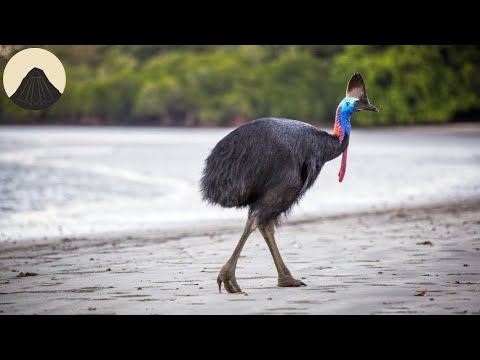
Did you know an ostrich can run faster than a car in a school zone? Yeah, seriously! These big, goofy birds are more than just the punchline to a joke.
You might think of them as the awkward cousins of other birds—who can’t even fly! But trust me, there’s way more to them than meets the eye.
Imagine a bird so huge that it can kick like a mule. That’s an ostrich for you! With their long necks and funny little wings, they’re like nature’s weird but wonderful creations.
So, let’s take a closer look at these fascinating creatures and discover what makes them so special. You ready?
Ostrich Egg: The Science Behind its Unique Composition and Ecological Significance
Ostrich eggs are pretty fascinating! These eggs are not only the largest of all bird eggs, but they also boast some amazing qualities. The average ostrich egg is about 15 centimeters in length and can weigh around 1.4 kilograms. Imagine that! It’s like a small watermelon!
What makes these eggs unique? Well, their composition is specially designed to protect the developing chick inside. The shell is incredibly thick—about 2 to 4 millimeters—which helps prevent predators from easily cracking it open. This thickness also provides structural support for the growing embryo, keeping it safe until it’s ready to hatch.
Composition-wise, the ostrich egg contains a lot of calcium carbonate. This compound is super important because it forms the solid shell. Besides calcium, they’re packed with proteins and lipids, which nourish the chick as it develops. The yolk provides essential nutrients that fuel growth during incubation.
The egg’s color is usually a pale cream or light brown, which blends well with the environment. This natural camouflage works wonders in protecting the egg from hungry eyes. It’s all about survival in nature!
Now let’s talk ecology for a sec. Ostrich eggs have an essential role in their ecosystems too! When an egg is laid on the ground and doesn’t hatch, it eventually breaks down and returns nutrients back into the soil. This process supports plant growth in their habitat.
Have you ever seen how parent ostriches take care of their nests? They actually share incubation duties! Both males and females will take turns sitting on the eggs to keep them warm. It’s kind of heartwarming when you think about it—both parents working together for their future chicks.
In terms of reproduction, they can lay anywhere from 7 to 20 eggs at a time! These nests are often communal; several females may lay their eggs in one nest. It’s like one big family gathering around this giant breakfast buffet!
Another interesting fact: Ostrich chicks are super precocious! Once they break free from their shells, they’re ready to roll almost immediately—after just a few hours, they can stand up and even run away from danger if needed!
So there you have it—the science behind ostrich eggs isn’t just about size; it’s all about safety, nourishment, and ecological balance. Nature sure knows how to create something special! Next time you think of an ostrich egg, remember there’s more than meets the eye—it’s a perfect blend of adaptation and nurturing instinct that showcases nature’s brilliance at its best.
Exploring the Anatomy and Functionality of the Ostrich Brain: Insights into Nature’s Largest Flightless Bird
When we think about birds, flight is usually the first thing that pops into our minds. But then there’s the ostrich, which is like the cool kid in school who doesn’t care about fitting in. This bird can’t fly but it sure can run! So what’s going on inside its noggin? Let’s take a closer look at the anatomy and functionality of the ostrich brain.
First off, the brain size of an ostrich is surprisingly small compared to its body, weighing in at around 40 grams. That’s not super big for a bird that can be over 8 feet tall! But don’t let the size fool you; it has some fascinating adaptations.
- Cerebrum: This part of the brain handles higher functions like learning and memory. It’s crucial for foraging and navigating their environment. You know how sometimes you forget where you put your keys? Well, ostriches have to remember where to find food and water!
- Cerebellum: So, this area is all about balance and coordination. Think about how fast an ostrich can run—up to 45 miles per hour! That cerebellum has got to be doing some serious work keeping them steady as they sprint away from danger.
- <bbrainstem: The brainstem controls basic life functions like breathing and heart rate. For an animal that’s always on the go, it’s essential that this part works smoothly, or else things could get messy.</bbrainstem:
You might be curious why these birds are so good at running but can’t take flight. Well, it turns out that their muscle structure plays a significant role here too! Their legs are built for speed with strong muscles and long tendons that give them explosive power to get moving fast.
An interesting tidbit? Ostriches have excellent vision—way better than ours actually! They can spot predators from afar thanks to their large eyes which are strategically positioned on either side of their head. It helps them keep a lookout for trouble while they’re busy pecking at grass or seeds.
A little personal story here: I once watched an ostrich run across an open field during a trip to a wildlife reserve. Honestly, it was like watching a sprinter just take off—its long legs moving in perfect rhythm while maintaining focus on its surroundings. Just seeing those powerful movements made me appreciate how their brain works in harmony with those huge bodies!
In essence, while ostriches may not soar through the skies, their brains are perfectly adapted for life on land. They compensate with sharp instincts and remarkable physical capabilities all thanks to those carefully organized brain functions working behind the scenes!
The next time you spot one of these gigantic birds strutting around majestically, just remember there’s more going on up there than meets the eye!
Exploring the Weight of Ostriches: Insights from Avian Biology and Ecology
Ostriches are, like, the coolest birds on the planet. Seriously. They’re not just big; they’re the largest living birds we know of. These flightless wonders can weigh anywhere from 220 to 350 pounds (that’s about 100 to 160 kilograms), depending on their age and sex. Isn’t that wild? Imagine a bird that weighs as much as a small kid!
So, what gives them this hefty weight? It mostly comes down to their anatomy. Their bodies are built for running rather than flying, which is pretty interesting. Like, ostriches have incredibly powerful legs that can take them up to speeds of 45 miles per hour. That’s faster than most humans can run! Their leg muscles need to be strong and heavy to support all that speed.
- Muscle Mass: The muscle structure of an ostrich is designed for endurance and strength. They have thick thigh muscles which help propel them forward.
- Skeletal Structure: Ostriches have large, strong bones that support their weight without being too heavy. This balance is crucial since they don’t take flight.
- Diet: Their diet mainly consists of seeds, leaves, and flowers which provide a lot of energy without mass amounts of weight gain.
Anatomically speaking, their massive bodies are complemented by long necks and small heads which helps with balance when running. Their wings? Well, they’re not used for flying but play a role in courtship displays and maintaining balance while running at high speeds.
You might wonder how all this relates to their ecology. In the wild, ostriches inhabit open grasslands and savannas where they roam in groups called flocks. This social behavior helps them protect each other from predators like lions or hyenas. When they see danger approaching, they can really use those long legs to escape quickly!
The weight also plays an interesting role in their survival tactics. Although being so bulky doesn’t allow them to fly away from threats, it does make them formidable opponents; they can kick hard enough to fend off attackers if it comes to that! A well-placed kick can really hurt – their legs are as powerful as they look.
The incredible thing about ostrich weight isn’t just about what they carry but also how it fits into the natural world around them — making them key players in their ecosystems as seed dispersers and grazers.
If you ever get a chance to see these magnificent creatures up close, pay attention not just to how enormous they are but also how graceful they move despite all that bulk! It’s like watching a giant bird dance across the grasslands.
So, let’s take a moment to chat about ostriches. You know, those enormous birds that strut around like they own the place? Yeah, they’re pretty fascinating, even if they can’t fly. When I first saw an ostrich at a zoo as a kid, I was totally awestruck. There it was, towering over everything else, with those long legs and big eyes that seemed to stare right into your soul. It felt like running into a dinosaur or something!
Now, the anatomy of an ostrich is really interesting. They can be over nine feet tall and weigh up to 350 pounds! What’s wild is that their wings are actually kinda small compared to their massive bodies—like, you’d think they’d need bigger ones to take off! But instead of flying around like other birds do, they’ve got these strong legs built for speed. Seriously! An ostrich can run up to 45 miles per hour (that’s faster than some cars in a school zone). Those long legs help them outpace predators; it’s why they’re so good at surviving in the wild.
Then there’s their unique digestive system. Ostriches have multiple stomachs—kind of like cows! They eat a variety of plants and even small insects sometimes. Their digestive track helps break down tough fibers from the plants they munch on. Fun fact: they can swallow small pebbles which actually help grind up food in their gizzard.
It kinda blows my mind how every little part of their body serves a purpose in this giant bird’s life. You see what I mean? Nature has this incredible way of designing creatures to thrive in specific environments—it’s almost poetic when you think about it.
Oh, and let’s not forget about those massive eyes—they’re the largest of any land animal! Each eye is about two inches across and gives them excellent vision for spotting danger from afar. Imagine having eyes that big; you’d never miss anything happening around you!
All this makes me appreciate not just ostriches but nature itself. These quirky creatures are like reminders that there’s so much beauty in diversity—the adaptations and traits have taken ages to evolve just right for their survival.
I don’t know about you, but next time I see an ostrich—or any bird for that matter—I think I’ll look at them with new eyes (not as big as theirs though). Nature’s inventions are truly something special!