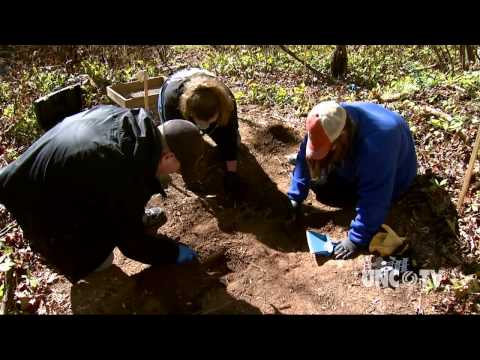
Okay, so imagine this: you’re strolling through a field, and you see… well, bodies. Yep, not something you’d expect on a casual walk, right? But let me tell you, in the world of forensic science, this is pretty normal.
These places are called body farms. Sounds like something out of a horror movie, but they’re actually super fascinating! They help scientists understand decomposition in a way that’s crucial for solving crimes.
You might think it’s all creepy and morbid, but it’s really about gathering data to help the living. Pretty cool if you ask me! So grab your snacks and let’s chat about why these body farms are so important in forensic research.
Unlocking the Science Behind Forensic Science: Understanding Its Principles and Applications
So, forensic science, huh? It’s like the cool intersection of law enforcement and science. Not only does it help solve crimes, but it also dives deep into understanding how our bodies interact with the environment after death. This brings us to something really intriguing—body farms. You might be wondering what that even means, right? Well, buckle up!
Body farms are outdoor research facilities where scientists study decomposition. Imagine walking through a field filled with corpses in various states of decay—kinda eerie but super important for forensic research! At these places, researchers can observe how bodies decompose under different conditions. This helps them understand and refine techniques used in crime scene investigations.
Decomposition Stages
When a person passes away, their body doesn’t just sit there like a hunk of meat forever. It goes through several stages of decomposition:
Understanding these stages is critical for forensic scientists to establish time of death and other characteristics that can point to how or why someone died.
The Science Part
So how do they actually study this stuff? Researchers analyze several factors like temperature, humidity, insects (yup!), and even plants around the bodies. You know those tiny critters buzzing around? They’re not just annoying—they play a big role in decomposition!
Insects like flies are usually among the first to arrive on a body. Forensic entomologists look at which species show up when and use that information to estimate time since death. If you think about it, it’s kind of like nature’s clock for dead bodies!
Why Body Farms Matter
These farms serve more than just academic purposes; they have real-world applications too! Let’s say there’s a crime scene—a decomposed body shows up weeks later. How do investigators figure out when exactly that person died? The knowledge gained from body farms comes into play here.
They provide training for law enforcement officers as well. By understanding what happens to a body post-mortem, detectives can become better at collecting evidence without messing things up!
And get this—some universities have even integrated hands-on courses in forensic science involving visits to these sites. Imagine learning about decomposition while standing next to… well, you know.
In summary (not that I’m concluding anything!), forensic science is all about unraveling mysteries surrounding human remains through methodical observation and research at places like body farms. They teach us not only about decomposition but also help solve crimes by providing insights into time of death and circumstances surrounding it.
So next time you hear about forensics or watch a crime drama on TV, remember there’s some serious science backing those stories! It might be unsettling sometimes but hey—it’s crucial work that helps bring justice and closure.
Exploring Body Farms: Understanding the Typical Number of Cadavers Utilized in Forensic Science Research
Body farms, like the one at the University of Tennessee, are kind of a big deal in forensic science research. They’re not actually farms in the agricultural sense; rather, they’re research facilities where scientists study how human bodies decompose in various environments. This helps forensic experts figure out things like time of death or how long someone has been buried.
When you think about it, it’s pretty fascinating stuff. Imagine being able to piece together a puzzle just by understanding how a body breaks down over time and what environmental factors come into play—like temperature, humidity, or even insect activity.
So, let’s get to the point about cadavers. The typical number of cadavers used in these studies can vary quite a bit depending on the specific research goals and the facility itself. Some body farms may work with anywhere from a handful to over 100 cadavers at any given time. This certainly gives researchers ample opportunity to observe different decomposition scenarios.
You might wonder why they need so many bodies. Well, for one thing, studying decomposition isn’t a one-size-fits-all situation. Each body decomposes differently due to various factors: were they clothed? Was it hot or cold when they died? Were there insects buzzing around? All these variables mean researchers have to push through several cases to ensure their findings are reliable and applicable in real-world situations.
Many body farms have strict protocols about how cadavers are donated—they’re typically acquired through legal agreements with individuals or families who consent before their death. This means that ethics play a massive role in their operations, ensuring respect for those who donate their bodies for this type of scientific inquiry.
Also, interestingly enough, most research facilities don’t just let bodies decompose willy-nilly; they often monitor them closely using cameras and high-tech equipment. This allows scientists to gather precise information about stages of decomposition—a process that can be affected by all sorts of natural elements like soil acidity or seasonal changes.
To sum it up: body farms serve an essential purpose in advancing forensic science by providing critical insights into human decomposition. By using varying numbers of cadavers for research and applying these findings back into the field—like helping detectives solve crimes—body farms contribute significantly to our understanding of life…and death. Pretty wild when you think about it!
The Impact of Body Farms on Forensic Research and Advancements in the Criminal Justice System
Alright, let’s get into the fascinating world of body farms! So, if you’re wondering what a body farm actually is—don’t worry, it’s nothing like a creepy horror movie. Basically, it’s a research facility where scientists study human decomposition. Think of it as a place to learn about how bodies break down over time in various environments.
These body farms play a huge role in forensic research. Forensic scientists examine human remains to gather clues about how someone died. By understanding the decomposition process, they can estimate the time of death. This is super important in criminal investigations.
- Real-world scenarios: Imagine you’re watching a crime show, and they find a body that’s been there for days or even weeks. The detective needs to figure out when that person died to build their case. This is where the knowledge from body farms comes in handy.
- Diverse environments: Body farms expose remains to different conditions—like hot or cold weather, rain, and even underground burial. This helps scientists see how these factors affect decay. It’s wild to think about how much the environment can change things!
- Training ground: These places aren’t just for studying; they also train future forensic experts. Students get hands-on experience with real-life situations while learning how to analyze evidence effectively.
A little emotional side note here: A lot of families donate their loved ones’ bodies for this research after passing away. It can be a tough decision but knowing that their sacrifice could help solve crimes and bring justice adds meaning to their loss.
The findings from body farms have led to advancements in the criminal justice system. For example, methods developed here have improved how forensic experts can determine time of death more accurately than ever before! Occasionally new techniques emerge that revolutionize investigative procedures.
- Body decomp stages: Scientists can now map out what happens at each stage of decay—fresh, bloat, active decay—and relate these stages directly to estimated time since death.
- Biodiversity impact: Research on decomposition has even helped improve search and recovery methods by revealing trends on how quickly different species (like insects) arrive at a scene after death.
You might be thinking: “How does this connect with real cases?” Well, take the case of Jaycee Dugard. When she was abducted and later found years later, forensic techniques evolved partly thanks to insights from body farm studies that helped law enforcement understand potential timelines better than before!
So yeah, the work happening at these facilities might sound eerie initially but it ultimately leads to breakthroughs in solving crimes and bringing closure for so many families affected by loss. The intersection between anatomy and crime-solving is both bizarre and brilliant!
Alright, so let’s talk about body farms. Yeah, you heard me right—body farms. They kind of sound like a concept from a horror movie, but they’re actually super important in forensic science. These places are where researchers study the decomposition of human bodies in different environments. It’s kind of like nature’s lab where the weird and fascinating meet.
Imagine this: one day, you’re hiking in the woods and you stumble upon something that looks odd—maybe a bone or some remnants of something once alive. What if I told you that scientists use body farms to figure out how long it’s been there? It’s wild when you think about it! They essentially set up various scenarios to see how bodies decompose under different conditions—like heat, humidity, or even being buried.
Now you might be thinking, why does this matter? Well, all that info helps criminal investigators figure out things like time of death or even if someone was moved after they died. It paints a clearer picture for solving crimes and brings closure for families dealing with loss.
I remember watching a documentary on this topic once. They showed researchers at one body farm observing how insects would gather on the remains. There was something oddly beautiful about it—the way life emerged from death—and at the same time, it felt incredibly profound. Nature has its own cycle and scientists are just trying to understand it better.
But here’s where it gets even more interesting: these studies aren’t just for catching bad guys; they’re also teaching us about our own mortality and the environment around us. You know what I mean? It makes you realize just how interconnected everything is.
So next time you hear someone mention body farms, yeah, it might sound creepy at first glance—but really, it’s a crucial part of understanding life, death, and justice in this crazy world we live in. Crazy when you think about all the stories one decaying body can tell!