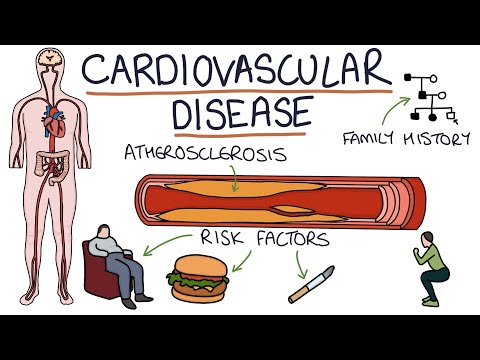
You know that feeling when your heart races during a scary movie? Well, it’s not just the suspense that gets it pumping! Your heart’s like this amazing, nonstop engine that keeps you going, and it has a lot of stories to tell.
But here’s something wild: most of us don’t really think about what’s happening inside our chests until something feels off. And trust me, I’ve been there—an embarrassing moment of realizing my heart was beating faster just because I had too much caffeine!
Anyway, understanding how your heart works and what keeps it healthy is super important. There have been some seriously cool advances in cardiac physiology lately, and heart health education is becoming more accessible than ever. So grab a seat and let’s chat about what’s happening with our hearts these days. It’s gonna be enlightening!
Evaluating the Quality and Impact of JACC Advances in Cardiovascular Research
Evaluating the quality and impact of JACC Advances in Cardiovascular Research is like looking through a magnifying glass at a world filled with intricate details about heart health. So, let’s break it down without getting too heavy, alright?
First off, what is JACC? Well, it stands for the Journal of the American College of Cardiology. This journal is kind of a big deal in the medical community! It publishes studies on heart health, cardiovascular diseases, and everything related to keeping our precious hearts ticking strong.
When we talk about quality, we’re really looking at how reliable and trustworthy the research is. Scientific studies get assessed on several criteria. Here are some key points:
- Peer Review Process: Before being published, articles go through scrutiny by other experts. This helps ensure that the findings are solid.
- Study Design: Strong studies often use randomized controlled trials or large cohort studies. These designs help reduce bias and increase validity.
- Replicability: Can other researchers repeat the study and get similar results? If so, that’s a good sign!
In terms of impact, it’s all about how this research affects real-world practices. For instance, if a study shows that a new medication can significantly lower blood pressure in patients with heart disease, you can bet that doctors will be taking note! The findings can influence clinical guidelines and even change how patients are treated.
But it’s not just about new drugs – there’s also a huge emphasis on education! You know how when you learn something new, it totally changes your perspective? That’s what happens when healthcare professionals dive into these advances in cardiac physiology.
- Heart Health Education: JACC promotes awareness around lifestyle factors like diet and exercise — super important for preventing cardiovascular diseases.
- Cohort Studies: Research often highlights how specific populations respond to treatment differently based on genetics or lifestyle habits.
Let me share an anecdote here: A friend of mine was diagnosed with high cholesterol not too long ago. He felt overwhelmed by all the information out there! But he found an article from JACC that explained not just the “what,” but also the “why” behind certain treatments. It empowered him to make better choices for his heart health.
So yeah, evaluating these papers goes beyond just numbers; it’s about understanding their implications for patients and clinicians alike.
Now think about this: When you read an article from JACC Advances in Cardiovascular Research, you’re not just absorbing data—you’re tapping into knowledge that could potentially save lives! And that’s pretty powerful stuff.
In summary, looking at quality means checking methods and peer review status while assessing impact requires seeing changes in practice or patient outcomes. Both factors allow JACC to contribute significantly to our understanding of cardiac physiology and improve heart health education across various communities. It truly plays a vital role in shaping how we treat our hearts today and tomorrow!
Understanding Advances in Physiology Education: A Comprehensive Overview of the Journal and Its Impact on Science Education
Understanding advances in physiology education is like opening a door to a room full of fascinating ideas. It’s all about how we learn and teach the complexities of the human body, especially something as vital as our heart.
Advances in Cardiac Physiology are particularly exciting. Our understanding of how the heart works, what keeps it healthy, and how diseases affect it has come a long way. It’s not just about pumping blood anymore; there’s so much more to it!
So, let’s talk about some key points:
- Real-World Applications: When students learn about cardiac physiology, they’re not just memorizing facts; they’re preparing for real-life situations. Imagine a nurse using knowledge from their studies to save a patient experiencing heart failure.
- Technology Integration: With tools like simulations and virtual labs, students can visualize heart functions and diseases in action. It’s like having a front-row seat without needing to step foot in an operating room!
- Interdisciplinary Approach: Understanding the heart connects various fields like biology, chemistry, and even psychology. This helps students appreciate the complexity of health sciences on a broader scale—everything affects everything else.
- Emphasis on Prevention: Educators are focusing more on preventive measures regarding heart health. Learning about lifestyle choices can empower students when talking about diet or exercise with patients.
Now, here’s where it gets really interesting: Think back to when you were in school. Remember those lightbulb moments when something clicked? That’s what good physiology education aims for! For instance, discussing how stress impacts heart rates or how cholesterol builds up might give them that spark.
It’s also worth mentioning the impact on science education overall. With these advancements, we’re seeing new teaching methods that encourage critical thinking. Rather than just rote learning, students actively engage with content—solving problems and asking questions instead of waiting for answers.
One emotional story that stands out is of a student who struggled through traditional learning methods but then found inspiration through interactive physiology modules focused on cardiac health. Eventually, they became passionate about cardiology! This shows how effective education can change lives.
All these advances don’t just benefit students; they ripple outward into communities too. When future healthcare professionals understand cardiac physiology deeply, they’re more likely to disseminate accurate information regarding heart health—and that’s something we can all get behind!
So basically, advancing physiology education isn’t just important; it’s essential. The next time you hear someone say “heart science,” think of those shifting ideas transforming both learning and teaching for generations to come!
Exploring Innovative Cardiac Procedures: Advances and Trends in 2025
Innovative cardiac procedures are shaping the future of heart health, and wow, it’s pretty exciting stuff! You know, the heart is kind of like the engine in your car. If something goes wrong, you really want it fixed properly. So let’s dive into what’s new and trending for 2025!
First off, there’s been a lot of buzz around minimally invasive surgeries. This means doctors can fix heart issues without making big cuts. Instead, they might use small incisions or go through blood vessels. One example is transcatheter aortic valve replacement (TAVR). Imagine if your doctor could fix your heart with just tiny tools and camera? That’s what TAVR does! It helps folks with narrowed aortic valves breathe easier.
Another cool thing happening is robotic-assisted surgeries. These procedures are like having a super precise surgeon on your team! Using robotic arms lets doctors do things they couldn’t dream of before. So, instead of being all hands-on in an open-heart surgery, they can sit at a console and move incredibly accurately. This means quicker recovery times for patients—like getting back to life faster!
But wait, there’s more! Cardiac ablation is also getting some upgrades. This procedure helps with irregular heartbeats, or arrhythmias. In 2025, we might see even newer technologies that allow doctors to map out the heart’s electrical signals super effectively. By pinpointing the problem areas better than ever before, treatment could be safer and more effective.
And let’s not forget about smart devices. It’s wild how tech has entered our bodies! Wearable devices that monitor heart rates can detect problems before they become serious. A friend of mine uses one—he was able to catch his irregular heartbeat early and now he feels like he’s got an extra layer of protection on his health.
Also important in this mix is heart health education. You know how sometimes you just don’t know what you don’t know? Well, hospitals are focusing more on teaching patients about their hearts. From understanding risks related to diet and lifestyle to learning when it’s time to seek help—it’s all part of empowering people.
Just think about it: being educated gives you control over your health. Like my aunt who turned her life around after learning about cholesterol levels—she started walking every day; now she feels awesome!
So yeah, as we look towards 2025 in cardiac care and procedures, there are some seriously innovative trends coming our way:
- Minimally invasive surgeries
- Robotic-assisted techniques
- Advanced cardiac ablation technologies
- Smart wearable devices for monitoring
- A focus on patient education about heart health
These advances mean better outcomes for heart patients everywhere—not just the fancy hospitals but also local clinics where everyone can benefit from these innovations. Truly inspiring when you think about how far we’ve come—and where we’re headed next!
So, let’s chat about the heart. You know, that little muscle that works harder than we often credit it for? Lately, there have been some seriously cool advances in cardiac physiology and heart health education. It’s like every day there’s new info popping up that might just save lives—or at least help us live a little better.
I remember when my grandmother had a heart scare. I was pretty young then, maybe ten or so, and I didn’t really understand what was going on. She just said she felt funny and ended up in the hospital for tests. That experience definitely stuck with me—a reminder of how important our hearts are. Now, all these years later, thinking back on it makes me realize how far we’ve come in understanding our ticker.
Researchers have been digging deep into how our hearts function on a cellular level. They’ve been figuring out things like the electrical signals that keep your heartbeat steady and how different types of cells work together to pump blood effectively. Seriously, the way they’re using technology like artificial intelligence to predict heart problems before they even happen is mind-blowing! Imagine being able to know when something’s off before you even feel it!
Education plays a massive role too! More people are getting schooled on prevention—like knowing the signs of heart disease or understanding risk factors such as diet and stress levels. With everything from community programs to online platforms offering guidance, awareness is growing faster than ever. Websites give you tips like eating more fruits and veggies or finding ways to manage stress—way simple stuff that can make a huge difference!
But hey, it’s not just about the science or data; it’s about real people’s lives! When you see someone make lifestyle changes after learning about their heart health? That’s everything! Like my friend who started walking every morning after he learned his cholesterol was high. It feels rewarding to think that knowledge can actually inspire change.
You might wonder if all this knowledge actually sticks with people—not everyone reads medical journals for fun! But think about it: when we share stories of survival or success? That sticks way more than numbers in a study ever could! What happens is people start talking among themselves; they share their experiences and suddenly we’re creating communities focused on keeping each other healthy.
So yeah, while I’m pumped about the scientific strides we’re making—because who wouldn’t be?—I’m equally excited about how folks are learning to take charge of their own heart health. It’s like we’re all joining forces against heart disease together! And honestly? That feels pretty amazing.