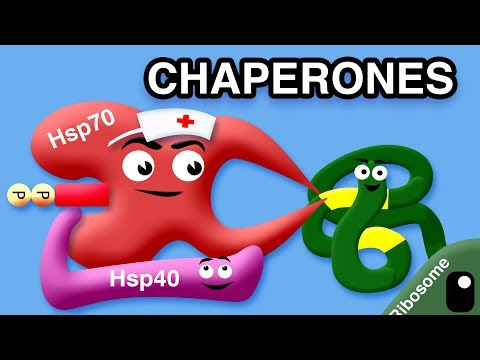
So, imagine you’re at a party, and there’s a huge pile of laundry waiting to be folded. You’ve got shirts that just won’t find their pairs and pants that seem to have gone rogue. Sounds chaotic, right? Well, proteins in our cells kinda go through their own messy version of this when they’re being built.
You see, proteins are these tiny machines that do all sorts of heavy lifting in our bodies. But they don’t just magically pop into shape; they need help getting their act together. That’s where chaperones come into play! Like the friend who swoops in to help you manage that laundry nightmare, these little guys ensure proteins fold correctly and don’t end up all tangled up.
Without them, things could get pretty wild. Misfolded proteins can lead to all sorts of issues like diseases or cell malfunction. So yeah, chaperones might not wear capes or save the world in a traditional sense, but they definitely keep things in check behind the scenes!
Understanding the Role of Chaperones in Cellular Biology: Functions and Responsibilities
So, let’s chat about chaperones in cellular biology, huh? These nifty proteins play a crucial role in helping other proteins fold correctly. You might wonder why that’s important. Well, proteins do all sorts of jobs in your cells, and if they’re not folded the right way, they can’t function properly. Imagine trying to fit a puzzle piece that’s shaped all wrong—it just won’t work!
Chaperones are like the friendly personal trainers for proteins. They help ensure that newly made proteins fold into their proper shapes. Some proteins need a little extra push to get it right, and that’s where chaperones come in.
Here’s the thing: proteins are made up of long chains of amino acids. When these chains are created in cells, they start to fold up into complex shapes—kind of like origami! But sometimes they can get tangled up or make mistakes while folding.
- Molecular Chaperones: These helpers bind to the newly synthesized protein and prevent misfolding or aggregation (which is when proteins clump together). One good example is Hsp70, which acts quickly to keep an eye on unfolding proteins.
- Chaperonins<!–: This group is like a VIP lounge for proteins. They provide an isolated space where a protein can fold without distractions from other cellular elements. Think of it as a safe zone! The most famous example here is GroEL/GroES.
- Protein Homeostasis: Chaperones help maintain a balance in protein production and folding within cells, ensuring that everything runs smoothly.
Anecdote alert! I once saw a documentary about how heat shock proteins (a type of chaperone) help organisms survive extreme temperatures. It was mind-blowing! When things heat up outside—like during those super hot summers—these chaperones kick into high gear to rescue little misfolded buddies so they don’t end up getting thrown away by the cell.
You might think it sounds simple to help with folding, but this process is delicate and requires energy—lots of it! Chaperones burn ATP (a molecule that stores energy) as they assist other proteins. It’s like they’re hitting the gym hard just to keep everything running efficiently inside your cells.
If you think about how everything in our body relies on properly functioning proteins—from muscle movement to digestion—you start seeing how essential these chaperones really are. Without them? Well, let’s just say it wouldn’t be pretty!
The beauty of biological systems lies in their complexity but also their coordination; chaperones play less glamorous but absolutely vital roles behind the scenes. So next time you hear about protein folding—or even see some origami art—think about those hardworking chaperone buddies making sure everything fits just right!
The Critical Role of Chaperones in Protein Folding and Cellular Function
Proteins are like little machines in your cells, and they do a ton of important jobs. But here’s the thing: before they can work, they need to fold into the right shapes. This is where chaperones come into play. These are special proteins that help other proteins fold properly and stay stable, kind of like how a coach helps athletes train to be their best.
Now, think of folding like origami. If you mess up even one crease, the whole thing can fall apart, right? That’s what happens with proteins too! If they don’t fold correctly, they can become dysfunctional or even toxic. Chaperones step in at this crucial moment to ensure everything goes smoothly.
Chaperones work by providing a safe environment for proteins to fold without interference from other cellular components. They prevent the newly formed polypeptides from sticking to each other prematurely—a bit like keeping unruly kids from causing trouble on the playground. They often use ATP (a kind of energy currency in cells) to assist in this folding process.
There are different types of chaperones, and each has its own style. For example:
- Heat Shock Proteins (HSPs): These guys are like first responders during stressful situations such as heat or toxins.
- Chaperonins: Imagine a cozy chamber where a protein can take its time folding; that’s what chaperonins provide.
Take HSP70, for instance. This chaperone binds to nascent polypeptides as they’re being made and prevents them from misfolding or aggregating (which is basically when proteins clump together). Really important stuff!
It’s not all sunshine and rainbows though. Sometimes even chaperones struggle with certain misfolded proteins, leading to problems like neurodegenerative diseases—think Alzheimer’s or Parkinson’s—where protein aggregates build up and cause havoc in your brain.
Without these little helpers, cellular functions could go haywire! Imagine if your body was trying to fix a car without instructions: it would probably end up worse off than before! Chaperones help maintain cellular health by ensuring that proteins do their jobs right every single time.
So next time you hear about proteins doing their thing in the body, remember that it’s often thanks to chaperones working behind the scenes—making sure everything folds just right!
Exploring the Role of Chaperones in Protein Folding and Stability: A Comprehensive PDF Guide
Proteins are like tiny machines inside our cells. They do all sorts of jobs, from helping with digestion to fighting off infections. But here’s the catch: for proteins to work properly, they need to fold into specific shapes. If they get tangled or misshapen, it can lead to diseases or malfunctions. That’s where chaperones come into play.
Chaperones are special helper proteins that assist in the folding of other proteins. Think of them as personal trainers for proteins, guiding them through their workout sessions. They make sure the proteins fold correctly and stay stable.
Now, let’s break down why this is so crucial:
- Prevention of Misfolding: Misfolded proteins can aggregate and form clumps that can be harmful. For example, amyloid plaques in Alzheimer’s disease are made up of misfolded proteins.
- Assisting Folding: Chaperones assist during the folding process by temporarily binding to new polypeptide chains. This helps them find their way to the right shape without getting stuck.
- Refolding Damaged Proteins: Sometimes, proteins unfold due to stress like heat or toxins. Chaperones help refold these damaged proteins back into their functional shapes.
- Tight Regulation: The amount of chaperones is carefully regulated in cells. Too few could lead to protein mishaps; too many might cause unnecessary interference in folding processes.
One great example is a type of chaperone called heat shock protein (HSP). Imagine it as a firefighter that rushes in when things get too hot for proteins—literally! When cells experience high temperatures or stress, HSPs help rescue and refold denatured (or heat-damaged) proteins.
It’s kind of fascinating when you think about it—there’s an entire world buzzing inside your cells where molecules are constantly working together! Without chaperones, you’d probably have a lot more diseases caused by protein misfolding.
But wait, there’s more! Chaperones don’t just work alone; they often collaborate with other cellular helpers like proteases (which cut up damaged proteins) and molecular scaffolds (which provide structure). This teamwork is essential for maintaining cellular health.
Lastly, you might wonder about how scientists study these remarkable little helpers. Techniques like X-ray crystallography and cryo-electron microscopy allow researchers to see how chaperones interact with their protein clients in action. It’s almost like being a fly on the wall during a critical training session!
So there you have it—the role of chaperones is super important in the world of protein folding and stability. They’re like unsung heroes working behind the scenes to ensure everything runs smoothly inside our cells while keeping us healthy!
You know what’s kind of mind-blowing? The idea that proteins, those little building blocks of life, can be super picky about how they’re shaped. Imagine if you were trying to assemble a puzzle, and without the right help, the pieces just wouldn’t fit together no matter how hard you tried. That’s basically what happens with proteins—sometimes they need a bit of backup to fold up properly.
That’s where chaperones come into play. These are special proteins that help other proteins get their act together. They basically act like your favorite teacher or mentor who makes sure you don’t mess up the important things in life—like showing you how to tie your shoes or write an essay. Chaperones guide proteins through the folding process so they can achieve their functional forms. And without them? Well, let’s just say things can get pretty chaotic.
I remember this time in biology class when we watched a video about protein folding. It was wild to see how some proteins kind of tangled themselves into knots if left alone. Imagine a spaghetti pot boiling over, just chaos everywhere! But then the chaperones would swoop in and help unravel this mess, gently nudging those chains into neat little shapes that could actually do their jobs.
It’s not just about helping them look good; it’s also about stability. Proteins are delicate creatures and can easily fall apart if they’re not folded correctly or kept in check by these chaperones. Think of them as bodyguards, standing watch to ensure everything runs smoothly and efficiently within our cells.
By keeping everything organized and stable, chaperones play a crucial role in preventing diseases that arise from misfolded proteins—like Alzheimer’s or cystic fibrosis. It hits home when you think about how much teamwork goes on at a microscopic level just to keep us healthy, right?
So next time you hear someone toss around scientific jargon about protein folding or molecular biology, remember those unsung heroes—the chaperones—who work behind the scenes ensuring that everything stays on track! It’s pretty amazing when you think about all that’s going on in your body at any given moment!