So, picture this: you’ve spent an entire Saturday working on a puzzle. You’ve got that one stubborn piece that just won’t fit anywhere. Frustrating, right? Well, proteins are kinda like that too, but in a way more complicated and microscopic world.
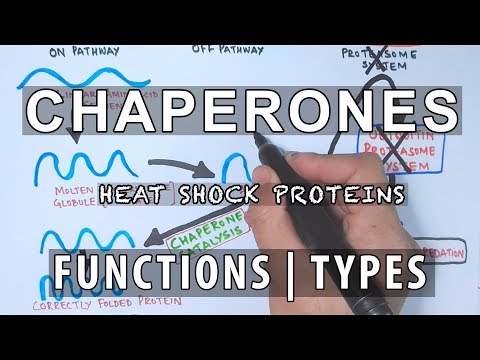
These little guys have to fold just right to do their jobs properly. And let me tell you, it’s not always smooth sailing. This is where chaperones come in. Think of them as the friendly helpers who swoop in to make sure everything falls into place.
Without them, proteins might end up all tangled and confused, like your headphones after a night in your pocket! So yeah, these chaperones are essential in the wild process of protein folding. Stick around—it’s really cool stuff!
The Essential Role of Chaperone Proteins in Protein Folding: A Comprehensive Guide for A-Level Biology
So, we have these cool things called chaperone proteins. They’re basically the unsung heroes of our cells, helping proteins fold into their proper shapes. You know, like a tailor making sure your suit fits just right! Without them, proteins could end up all twisted and dysfunctional. Let’s break this down.
First off, protein folding is super important. When a protein is made, it starts as a long chain of amino acids. Imagine a really long piece of yarn. If you just leave it there, it could get all knotted up or tangled—yikes! But when proteins fold correctly, they can perform their specific tasks in the body.
Now here’s where chaperones come in. They assist in this folding process. Think of them as personal trainers for proteins. They guide these chains to fold accurately and prevent mistakes that could lead to diseases.
Types of Chaperones: There are a couple key players in the chaperone game.
- Heat Shock Proteins (HSPs): These guys are super important during times of stress—like when heat or toxins mess with protein stability.
- Chaperonins: These are like cozy little chambers where proteins can safely fold without interruptions.
You follow me so far? Here’s the deal: misfolded proteins can cause serious issues. It’s kind of like getting ready for an important job interview but showing up in pajamas—definitely not the best way to impress anyone! Diseases like Alzheimer’s and cystic fibrosis are linked to these misfolded proteins.
Now, let’s get into how chaperones actually do their thing. They interact with nascent (that means “new”) polypeptides and help them fold by preventing premature aggregation—basically keeping them from clumping together before they’re ready.
And they don’t work alone! Chaperones often need energy from ATP (that’s adenosine triphosphate, the energy currency of cells) to function effectively. This process is similar to athletes needing energy drinks during intense training sessions!
But here’s something wild: not every protein needs chaperones for folding; some just nail it on their own like total champs! However, having chaperones around increases the chances that everything will go smoothly.
It’s not just about folding though; chaperones also help refold denatured proteins—sorta like rescuing your favorite shirt that shrank in the wash! If a protein gets jacked up due to heat or pH changes, these chaperones come in handy to set things straight again.
In summary, chaperone proteins play a critical role in ensuring that our body functions properly by guiding and assisting other proteins in folding correctly. They’re essential helpers that make sure everything runs smoothly—the backstage crew keeping the spotlight on our cell’s performance!
Seriously though, without these amazing molecules working tirelessly behind the scenes, many processes within us would face serious hiccups—or worse! So whenever you think about how life functions at a cellular level, remember those hardworking chaperone proteins doing their magic every day!
Understanding the Role of Chaperones in Molecular Biology: Functions and Responsibilities
So, let’s talk about chaperones in molecular biology. These guys are like the unsung heroes of the molecular world. You know, without them, proteins might just end up being a jumbled mess instead of the functional structures they’re meant to be. It’s kind of like trying to throw a party without someone to set up the decorations—nothing’s gonna turn out right.
What Exactly Are Chaperones?
Chaperones are specialized proteins that assist other proteins during their folding process. Think of them as personal trainers for proteins, helping them achieve their optimal shape so they can do their jobs properly. They bind to nascent or misfolded polypeptides and guide them through various stages of folding.
Why Do Proteins Need Help?
Proteins are made up of long chains of amino acids, and these chains need to fold into specific 3D shapes to function—a process that’s known as “protein folding.” But this isn’t always straightforward! Folding can go wrong for many reasons, including environmental factors like heat or pH changes. When this happens, you end up with dysfunctional proteins that can’t perform their roles in the body. And trust me; that can lead to some major issues.
Types of Chaperones
There are different types of chaperones out there, each with unique functions:
- Molecular chaperones: These help prevent misfolding and aggregation—like when proteins clump together instead of forming nice neat structures.
- Heat shock proteins (HSPs): They kick into gear when cells experience stress, like heat or toxins. Picture them as firefighters rushing in to save the day!
- Chaperonins: A special kind that provides a sheltered environment for protein folding, sort of like a protein spa day.
The Folding Process
The actual folding is pretty complex. Chaperones interact with emerging polypeptides during translation—the process where ribosomes synthesize new proteins from amino acids. If something goes awry during this stage, chaperones step in promptly.
They usually bind to hydrophobic regions on the protein chain—these regions don’t like water and prefer sticking together if left alone. So, by binding there, chaperones keep them apart long enough for proper folding to occur.
The Consequences of Misfolding
When things go south in the protein folding department due to lack of chaperone assistance—or if there aren’t enough chaperones—the consequences can be severe. Misfolded proteins can cause diseases like Alzheimer’s or Parkinson’s because they tend to aggregate into toxic forms that destroy cells.
It’s almost poetic really; these tiny helpers work tirelessly behind the scenes while we often overlook how vital they are in maintaining cellular health!
A Recap on Responsibilities
So yeah, let’s quickly recap what these little champions do:
- Assist with proper protein folding.
- Prevent misfolding and aggregation.
- Aid in refolding damaged proteins.
- Add stability under stressful conditions (looking at you heat shock proteins).
In summary, when you think about protein functions and how crucial they are for life processes—from muscles flexing to enzymes catalyzing reactions—the role of chaperones becomes super clear! They’re essential helpers making sure everything runs smoothly in our bodies every single day! Isn’t it amazing how such tiny players can have such huge impacts?
Investigating the Role of Chaperones in Protein Folding: Mechanisms and Implications in Molecular Biology
Alright, let’s talk about chaperones and their crucial role in protein folding. You may not have thought about it before, but proteins are like little machines in our cells, doing all sorts of important jobs. But here’s the catch: they need to fold into specific shapes to work properly. And that’s where chaperones come in—think of them as personal trainers for proteins.
What Are Chaperones?
Chaperones are special proteins that help other proteins fold correctly. When a new protein is made, it starts off as a long chain of amino acids. This chain needs to twist and turn into the right shape to function. It’s a bit like trying to fold a complicated origami figure; you might need a little help to get it just right!
How Do They Work?
Chaperones operate through several mechanisms. One way is by binding to the nascent (newly formed) protein and preventing it from misfolding or sticking together with other proteins prematurely. That’s super important because misfolded proteins can lead to diseases like Alzheimer’s or cystic fibrosis.
Another mechanism involves providing an environment where proteins can fold properly without interference from other cellular components. It’s like having a quiet room for studying in the middle of noisy chaos—much easier to focus!
Types of Chaperones
There are different types of chaperones, each with its own specialty:
- Molecular Chaperones: These bind directly to unfolding or misfolding proteins.
- Chaperonins: Think of these as cozy chambers where proteins can do their final shaping away from distractions.
- Cytosolic Chaperones: They work in the cell’s cytoplasm and help with protein folding under stress conditions.
The Importance in Molecular Biology
You might wonder why this matters? Well, when proteins don’t fold right, they can aggregate—kind of like how sugar clumps together if you get it wet. This aggregation can cause cellular dysfunction or even cell death.
For instance, consider prions, which are misfolded proteins that can cause brain diseases like mad cow disease. By understanding how chaperones work, scientists hope to devise strategies to prevent these disorders.
The Bigger Picture
In molecular biology, studying chaperones gives us insight into not just protein folding but also broader cellular processes including how cells respond to stress, how they build complex structures, and how they communicate with each other.
So yeah, investigating chaperones and their role in protein folding opens up doors for understanding many facets of life at the molecular level! Each scientific discovery brings us closer to solving some pretty big mysteries about health and disease.
You know, it’s funny. We often think of proteins as these little building blocks that just magically pop into existence, ready to do their thing. But the truth is way more interesting! Proteins are like the star players in a sports game; they need the right setup and support to actually perform at their best. That’s where chaperones come into play—like those dedicated coaches who help athletes warm up, strategize, and avoid injuries.
Imagine you’re baking a cake. If you just throw all the ingredients together without following a recipe, well, good luck getting anything remotely edible! Proteins need a sort of recipe too, but it’s not written down anywhere. Instead, their structures depend on how they fold and shape themselves based on various factors like temperature and environment. Sometimes they can fold correctly on their own, but sometimes… not so much.
That’s where chaperones step in. They’re these amazing helper molecules that assist proteins in folding properly. It’s like having someone there to guide you through the tricky parts of your cake-making adventure—making sure everything is mixed right and baked at just the right temperature. Without these chaperones, proteins can end up all wrong or even clump together in ways that aren’t functional at all.
There was this time I was trying to bake with my younger sister. We were handling a tricky chocolate soufflé recipe that seemed to laugh in our faces every time we’d mess something up. After a while, we realized we needed each other’s help—one whisking while the other carefully folded in ingredients to keep air bubbles intact. That’s kind of what chaperones do for proteins; they make sure everything goes smoothly so that what comes out is functional and useful.
And here’s another thing: sometimes proteins misfold despite having chaperones around. It’s kind of like if an athlete had a coach but still kept tripping during practice—frustrating and confusing! This can lead to some serious health issues too, which just goes to show how critical these protein helpers are.
So next time you enjoy some food or watch athletes compete with those perfectly honed skills, take a moment to appreciate what goes on behind the scenes. Chaperones may be tiny players in this grand game of life science, but without them? Well, things would get messy—and not in a fun way!