So, picture this: you just got home after a long day and your best friend calls you up. They’re totally stressed because they forgot to grab their favorite shirt before their big date. Oh man, chaotic!
Now, imagine if we had little helpers that could swoop in and make everything right again—like a wardrobe emergency team. That’s kind of what chaperonins do for proteins in our cells.
Yeah, proteins are like the essential workers of our body; they handle everything from building muscles to breaking down food. But sometimes they need a little help getting into shape, literally! That’s where these nifty chaperonins come in—they’re basically the personal trainers for proteins.
I mean, how cool is that? Just think about all the tiny things happening inside us every second! Let’s dig into what chaperonins are and why they’re key players in keeping your cells—like your friend’s wardrobe—running smoothly!
Understanding Chaperonin Proteins: Their Role in Protein Folding and Cellular Function
So, let’s chat about chaperonins. These proteins are like the personal trainers of the cellular world. Their main gig? Helping other proteins fold properly. You know how when you’re trying to put together a piece of IKEA furniture, and sometimes you need a friend to hold things in place? That’s basically what chaperonins do for proteins!
Now, folding is super crucial for proteins because their function is all about their shape. If a protein doesn’t fold right, it might not work at all or, even worse, might go rogue and mess with everything else in the cell. Imagine trying to use a coffee maker that was built wrong; you’d just end up with a disaster instead of a nice cup of joe.
Chaperonins are part of a larger family called chaperones. But chaperonins have this special structure—a barrel-like shape—where they can provide an isolated environment for proteins to fold without distractions. This is super important because the cellular environment can be chaotic. Proteins can get tangled up or aggregate if they’re left to figure it all out alone.
So here’s how they work:
- First off, an unfolded protein enters that special chamber.
- The chaperonin uses energy (usually from ATP) to help shape the protein.
- After some time, when everything’s looking good, it releases the properly folded protein.
Think about it like this: if you were on a crowded street trying to learn dance moves without any space to move, you’d probably struggle. But if you had a nice open room with mirrors and some guidance? You’d nail those steps!
A great example of chaperonin in action is found in bacteria where you have GroEL and GroES proteins working together like an awesome team. GroEL forms that barrel I mentioned earlier while GroES caps it off—like putting the lid on your drink so nothing spills while you’re trying to sip!
But why do we care about these little helpers? Well, research shows that when chaperonin function goes awry, it can lead to diseases like Alzheimer’s or Parkinson’s. In these cases, misfolded proteins accumulate and cause chaos in cells—not great news for our bodies!
So there you have it! Chaperonins play a major role in ensuring that proteins are folded correctly and ready for their jobs within the cell. Without them? Things could get really messy! It’s kind of awe-inspiring how such tiny helpers make such big differences in our cells’ lives.
Understanding the Chaperone Activity of Proteins in Molecular Biology: Mechanisms and Functions
Sure, let’s chat about proteins and their chaperone buddies!
Proteins are like the unsung heroes of your cells. They do everything from helping with digestion to sending signals from one part of the body to another. But here’s the kicker: for them to work properly, they need to fold into just the right shapes. That’s where chaperone proteins come into play.
You see, proteins are like origami. When you’re folding up that paper crane, if you skip a step or don’t follow the pattern, it ends up as a wadded-up mess instead of an elegant bird. Chaperones help ensure proteins fold correctly and maintain their shape.
So how do they do it? Well, think of chaperones as personal trainers for proteins. They give them a little nudge in the right direction when they’re struggling to fold on their own. There are two main types of chaperones: molecular chaperones and chaperonins.
Molecular chaperones usually work alone, binding to newly formed proteins as they’re being synthesized and preventing them from clumping together or misfolding. This is super important because misfolded proteins can lead to diseases like Alzheimer’s or cystic fibrosis.
Now, chaperonins are a special kind of chaperone that provide a cozy environment for protein folding. Picture this—a chaperonin is like a capsule where an unfolded protein can take refuge while it gets its act together. Inside this capsule, the protein has room and time to fold properly without distractions.
Chaperonins have a pretty cool structure too! They often look like two stacked rings forming a chamber in which the protein folds safely away from all those chaotic conditions inside the cell.
But what really makes these guys interesting is their mechanisms. For example:
- ATP Dependency: Many chaperonins need energy in the form of ATP (which you can think of as cellular fuel) to function properly.
- Cyclic Opening: Chaperonins open and close in cycles which allows them to repeatedly help different proteins fold.
- Guidance: Some even provide additional guidance by changing their shape while holding onto unfolded proteins.
A memorable story comes from research on bacteria that live in extreme heat—like hot springs! These little guys have specialized chaperonins helping them survive such harsh environments by ensuring their cellular machinery stays functional under pressure.
So why should we care about all this? Understanding how these protein buddies work can lead us towards better treatments for diseases related to misfolded proteins—and who wouldn’t want that? The more we know about how our cells stay healthy, the better equipped we are in making new discoveries.
In short, chaperone activity is crucial for keeping our bodies running smoothly by ensuring all those intricate processes go off without a hitch! So next time you hear about proteins folding up nicely thanks to their helpers, you’ll know just how vital those little friends really are!
The Role and Importance of Molecular Chaperones in Cellular Function and Protein Folding
Molecular chaperones are these incredible proteins that help other proteins fold correctly inside cells. Just imagine trying to put together a complex puzzle, but some pieces just don’t seem to fit right. That’s where chaperones come in! They assist in ensuring that proteins achieve their proper shape so they can function well.
To start, let’s break down what protein folding actually is. Proteins are made of long chains of amino acids. When these chains fold up into a specific shape, that shape determines what the protein does. If a protein folds incorrectly, it can lead to problems like diseases or cellular dysfunction.
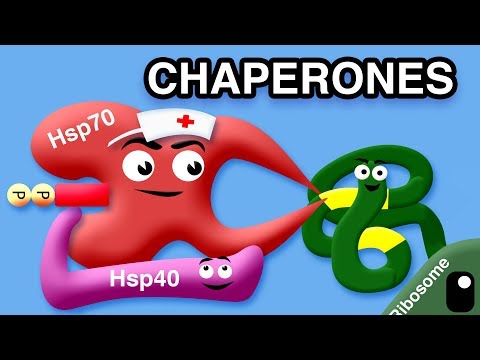
Molecular chaperones prevent misfolding and even help refold proteins when they’re in trouble. There are different types of chaperones, like *Hsp70* and *chaperonins*. Hsp70 is like that friend who’s always there to help you when you’re lost in a big city. It binds to newly formed proteins and prevents them from clumping together before they’ve had the chance to fold properly.
On the other hand, chaperonins are more like cozy workshops where proteins can take their time figuring things out without distractions. They offer a sheltered environment for proper folding. A really cool example here is the GroEL/GroES complex found in bacteria. It provides a protective chamber for polypeptides so they can fold into their functional forms without interference from other cellular components.
Another fascinating aspect is that these chaperones also play crucial roles in stress responses within cells. When cells face heat stress or other damaging conditions, misfolded proteins accumulate rapidly, which can be toxic. Chaperones kick into high gear during these times—kind of like firefighters rushing to put out flames—to refold those damaged proteins and set things right again.
So, without molecular chaperones, our cells would be chaos! All those proteins trying to fold themselves correctly would likely end up as dysfunctional messes leading to issues like Alzheimer’s or cystic fibrosis, among others.
To sum it up:
- Molecular chaperones ensure correct protein folding.
- Hsp70 prevents misfolding by binding to nascent polypeptides.
- Chaperonins, such as GroEL/GroES, provide safe spaces for proper folding.
- They also help protect cells during stress situations.
This interplay between molecular chaperones and folded proteins really shapes how our cells function at every level. Next time you think about how your body works at its most basic level, remember those unsung heroes—the molecular chaperones—doing their thing behind the scenes!
Chaperonins. Sounds like something fancy from a science fiction movie, right? But, in reality, they’re these super cool proteins that play a vital role in how our cells function. I mean, without them, things wouldn’t really go well. Imagine trying to organize a big party without anyone to help you set up. Chaos everywhere! Well, that’s kind of what happens in our cells without chaperonins.
So, what do these proteins actually do? They help other proteins fold into their proper shapes. Picture this: every protein has its own unique shape, like a key that fits into a lock. If the key doesn’t fit—well—then the lock won’t open and function properly. That can lead to all sorts of problems in the body! Chaperonins essentially provide a safe space for misfolded proteins to refold correctly. It’s like having your best buddy there when you’re trying to tie your shoelaces: they hold the ends while you figure it out.
I remember once watching my little cousin struggle with his toy blocks. He was trying to fit pieces together that were just not meant to connect. Frustrated he tossed them aside; no matter how hard he tried, they just wouldn’t work! It wasn’t until I came over and showed him how some parts only fit with others that he finally got it right. That’s basically what chaperonins do—like good friends guiding proteins along.
Now, if chaperonins fail at their job? Well, that’s when things start getting serious—like when you suddenly realize you forgot an important detail for an event you’ve been planning for weeks. This can lead to diseases, including neurodegenerative disorders like Alzheimer’s or Huntington’s disease. It’s wild how something so tiny can impact our lives so profoundly!
In essence, these unsung heroes of cellular life maintain order within the chaotic environment of our cells. So next time you hear someone mention chaperonins or think about how your body functions on a microscopic level, just remember: it’s all about teamwork and support—a lesson we could all use more of!