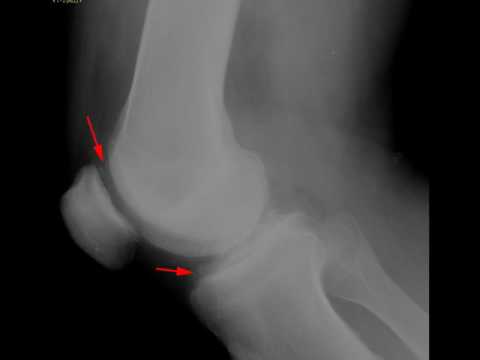
You know, I always thought “chondrocalcinosis” sounded like a fancy term for a new cooking technique or maybe some hipster café. But nope! It’s actually about your joints, and it can cause some serious discomfort.
Picture this: you wake up one morning, ready to take on the world, but your knees decide to protest. Sounds familiar? That’s the thing with chondrocalcinosis. It sneaks up on you and can mess with your mobility—ugh!
What’s the deal? Well, it has to do with calcium deposits in your cartilage. And believe me, it’s not just a boring medical term; it can really affect how you live your life.
So let’s break it down together. I’ll share some rad insights into what happens in the body when this condition hits and why radiology plays such a crucial role in figuring all this out. Grab a drink and let’s get into it!
Chondrocalcinosis of the Wrist: Insights and Radiological Imaging Techniques in Diagnostic Science
Alright, let’s talk about chondrocalcinosis of the wrist. Sounds complex, right? But don’t worry, we’ll break it down. So, chondrocalcinosis isn’t just a fancy word; it refers to a condition where calcium pyrophosphate crystals build up in the cartilage of your joints. This can lead to pain and sometimes even arthritis. Basically, it’s like calcium deposits hanging out where they shouldn’t be!
When it comes to diagnosing this condition, radiological imaging is our best friend. The wrist specifically can be tricky because there’s so much going on in that area with lots of small bones and structures. But we have some techniques that help us see what we need to.
- X-rays: This is often the first step in checking for chondrocalcinosis. The good ol’ X-ray can show us those pesky deposits in the wrist joints. You’ll usually see changes like joint space narrowing or calcifications around the cartilage.
- Ultrasound: Ever had one of those fun ultrasound sessions? Well, in this case, it’s super handy! Ultrasound can help us visualize those tiny calcium deposits and inflammation around joints without exposing you to radiation.
- MRI: If we need a deeper look—like really zooming into all the little details—we might go for an MRI. It’s great at showing soft tissues and can reveal changes in cartilage and surrounding structures.
An interesting point here is that not everyone with these calcifications will experience symptoms. Sometimes people walk around with them for years without any trouble! But when symptoms do appear—like swelling or pain—it usually starts bothering them during certain activities or even at rest.
I remember talking to a friend whose grandma dealt with chondrocalcinosis. She’d get these periods of intense pain in her wrist that would make simple tasks like opening jars feel impossible! It was tough seeing her struggle because she just wanted to bake her famous cookies again!
The cool thing about this whole topic is how detection methods have evolved over time. Radiologists now rely on advanced imaging techniques not only to see these crystals but also to assess joint damage, which helps in crafting better treatment plans.
If you’re ever curious about some new advancements regarding imaging for chondrocalcinosis or any tips on managing symptoms through lifestyle changes—like diet or exercise—then there’s always plenty more to explore! In essence, understanding this condition through imaging offers valuable insights into not just the mechanics but also how it affects everyday life.
So yeah, while it might sound intimidating at first glance, knowing about chondrocalcinosis gives you a better grasp on dealing with it if it ever crosses your path.
Advancements in CPPD Shoulder Radiology: Insights into Diagnosis and Management
So, let’s talk about this thing called chondrocalcinosis. It’s a fancy term for a condition that arises when calcium pyrophosphate dihydrate (CPPD) crystals build up in your joints. This buildup can lead to pain, swelling, and stiffness. One area where this can happen is in the shoulder, which is pretty crucial for most of our daily activities.
When it comes to diagnosing this condition, radiology plays a huge role. X-rays are often the first step. They help doctors see if there are any irregularities in the bones or joints. You might see something called “chondrocalcinosis” on an X-ray, which shows those pesky calcified deposits—kind of like little flecks of salt scattered around the cartilage.
But X-rays can be tricky. They don’t always reveal everything. Sometimes, CT scans or MRIs come into play for more detailed images. These techniques provide a clearer view of soft tissues and bone structures, helping doctors spot those sneaky CPPD crystals even when X-rays miss them.
Now, managing CPPD is another whole ball game. Typically, treatment involves managing symptoms like pain and inflammation.
A personal story comes to mind—my uncle had serious shoulder pain that turned out to be caused by chondrocalcinosis! He thought it was just a sign of aging but after some imaging tests and consultations with his doctor, they pinpointed the issue and adjusted his lifestyle accordingly.
The exciting part? Research continues to evolve in how we view CPPD conditions through imaging advancements! More sophisticated techniques make it easier not just to diagnose but also to understand how this crystal-induced arthritis behaves over time.
This way, healthcare providers can tailor treatments better because they actually see what’s going on inside your body! So you see, advancements in CPPD shoulder radiology aren’t just nerdy jargon—they have real implications on everyday lives and well-being.
If you’re experiencing joint pain or noticing stiffness in your shoulders or elsewhere—you know what to do! Consult with your healthcare provider; they’ll know whether imaging might be necessary!
Advancements in CPPD Radiology: Enhancing Diagnosis and Treatment in Scientific Research
Advancements in CPPD Radiology have dramatically changed how we diagnose and treat chondrocalcinosis, a condition linked with calcium pyrophosphate dihydrate (CPPD) crystals. You may not realize it, but this condition can seriously mess with your joints, leading to pain and inflammation. It’s like having a party in your knees or hips where no one is having fun.
Radiology plays a crucial role here. Before diving into that, let’s get on the same page about what chondrocalcinosis is. Basically, it involves the deposition of those pesky CPPD crystals in the cartilage of joints. They can cause symptoms similar to arthritis, so it’s important to catch them early.
Now, let’s talk about the advancements! In recent years, imaging techniques have come a long way. Traditional X-rays were okay for spotting some signs like calcification in cartilage, but they had their limits. Now we’re using advanced MRI and ultrasound technologies, which provide clearer pictures and better sensitivity for diagnosing CPPD crystals.
- MRI technology: This technique offers detailed images of cartilage and surrounding tissues without exposing patients to radiation. It helps identify subtle changes that indicate active disease.
- Ultrasound imaging: This non-invasive method allows for real-time visualization of joints and is incredibly useful for detecting crystal deposits directly.
- CT scans: Although not as common as MRIs or ultrasounds for this purpose, they can still reveal calcifications that might be missed on regular X-rays.
Let me tell you a quick story. Picture yourself visiting an orthopedic doctor because your knee has been acting up—painful movements and swelling included! They might use an ultrasound right there during your appointment to check for those sneaky crystals while you’re still in the office! How cool is that? Instead of waiting days or weeks for results from traditional imaging techniques, you get immediate insights.
The enhancement in these imaging techniques has also impacted treatment options significantly. With better diagnosis comes more tailored treatments. For instance:
- Patients identified with CPPD through advanced imaging can receive appropriate anti-inflammatory medications sooner.
- In some cases, doctors may even recommend therapeutic aspiration—draining excess fluid from swollen joints—guided by ultrasound.
- The information gleaned from these advanced techniques helps physicians educate patients about lifestyle changes that could alleviate symptoms long-term.
But there’s always more to explore! Researchers are now focusing on understanding the exact connections between crystal deposits and joint damage at a molecular level. By doing this work alongside improved radiological methods, we’re not just stopping at diagnosis; we’re aiming at better management strategies too!
Takeaway? The strides we’re making in CPPD radiology are seriously helping people live healthier lives with reduced joint pain due to earlier detection and smarter treatments. We’re left wondering what exciting developments might emerge next—because when it comes to science, there’s always something new on the horizon!
Chondrocalcinosis, huh? It’s one of those conditions that doesn’t get a ton of spotlight but can really throw a wrench in someone’s day-to-day life. So, let’s break it down a bit. Basically, it’s when calcium pyrophosphate (that’s a fancy term for a specific kind of calcium salt) builds up in the cartilage—stuff that cushions your joints. This buildup can lead to pain and stiffness, which nobody wants.
I remember a friend of mine was always complaining about her knees hurting, especially after long walks with her dog. It turned out she had chondrocalcinosis, and it took some time for her to get the right diagnosis. It just goes to show how important it is to connect the dots when you’re not feeling great.
Radiology plays a pretty key role in figuring out if someone has this condition. Doctors often rely on imaging techniques like X-rays or MRIs to spot those pesky deposits in the cartilage. When you see those bright spots on an X-ray, you know something’s up! Those images can be really helpful because they reveal what’s going on inside without needing to go under the knife. I mean, who wouldn’t prefer that?
But here’s where it gets interesting: not everyone who has these calcifications experiences symptoms. It’s like having an uninvited guest at your party—sometimes they hang around quietly, and other times they make themselves way too comfortable! You might find out during imaging that everything looks fine while there’s actually some underlying issue going on.
The thing is, understanding chondrocalcinosis isn’t just about diagnosing; it’s also about managing the condition effectively once you know what you’re dealing with. Treatment options range from lifestyle changes and physical therapy to medications that help control pain and inflammation.
So, while radiological insights are crucial for catching chondrocalcinosis early or confirming suspicions, they also open the door for conversations about keeping our bodies as healthy as possible—because nobody wants those calcium crystals crashing their party!