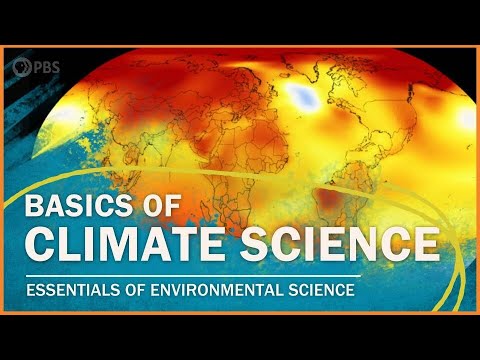
You know that moment when you’re in a deep conversation about climate change, and someone throws a “but weather always changes” line at you? Yeah, I feel you. It’s like, wait, what?
Well, here’s the deal: climate change is a big deal. Like, gigantic. And there are these awesome groups out there, fueled by science and passion. They’re doing everything they can to make sense of all this chaos and get the word out.
Imagine dedicated folks trying to explain complex ideas with enthusiasm instead of jargon. Kinda refreshing, huh? They’re not just sitting in labs—nope! They’re hitting the streets and cafes, talking to people just like you and me.
So grab your favorite drink, sit back, and let’s take a little journey into how these science-driven heroes are making waves in the fight against climate change!
Exploring the Impact of the World Wide Fund for Nature on Global Scientific Research and Conservation Efforts
The World Wide Fund for Nature (WWF) has played a major role in shaping global scientific research and conservation efforts. You know, it’s not just about cute animals like pandas, although they do love their logo. Their impact goes way deeper than that, affecting how we understand climate change, biodiversity loss, and ecosystem management.
First off, scientific research is at the core of WWF’s work. They support various projects that monitor wildlife populations and habitat health. For example, through initiatives like the Global Forest and Trade Network, WWF collaborates with scientists to track deforestation rates and advocate sustainable practices. It’s about creating balance between human activities and the natural world.
Another crucial aspect is awareness-raising. By bridging science with public understanding, WWF helps people recognize the urgency around environmental issues. Imagine a young kid learning in school about deforestation because of WWF’s engaging materials—suddenly they’re passionate about saving trees! That spark can lead to future scientists or activists who push for change.
Also, let’s talk partnerships. WWF collaborates with universities and research institutes worldwide to tackle pressing issues like climate change impacts on agriculture or marine ecosystems. Such collaborations often result in groundbreaking studies. Take the Ocean Health Index; it uses scientific metrics to evaluate marine ecosystems worldwide and offers recommendations for better management.
Now, *some* might argue that conservation often feels disconnected from everyday life. But here’s where outreach comes into play! WWF uses social media campaigns and local workshops to connect people directly with science—explaining complex concepts in relatable ways so everyone can engage.
In terms of policy influence, WWF doesn’t sit on the sidelines either. They contribute to international agreements like the Paris Agreement by providing crucial data that informs government decisions on climate action strategies. The science behind conservation isn’t just good-to-know info; it’s essential for decision-making processes at all levels.
Another noteworthy thing is how they promote sustainable practices across industries—think fisheries or forestry—that rely heavily on scientific research for longevity. By working with businesses to adopt more responsible methods based on scientific data, WWF helps mitigate negative impacts on nature while ensuring economies stay afloat.
And let’s not overlook their role in fostering innovation! By funding research grants or supporting tech-driven solutions like satellite monitoring of deforestation or wildlife tracking apps, they encourage new ideas that can tackle environmental challenges creatively.
So yeah, whether it’s through scientific collaboration or community outreach initiatives, WWF’s impact reaches far beyond just protecting wildlife habitats—it shapes our collective understanding of how interconnected we all are within Earth’s systems!
Global Scientific Initiatives: Leading World Organizations Tackling Climate Change
Alright, let’s talk about how some big players in science are getting together to fight climate change. Seriously, it’s a team effort across the globe, and there are organizations making huge strides. You know, the kind of groups that roll up their sleeves and get down to business.
Intergovernmental Panel on Climate Change (IPCC) is one of the most well-known organizations. Formed by the UN, this group is all about assessing scientific information on climate change. They bring together researchers from all over the world to review and summarize the latest findings. It’s like they’re the referees of climate science! Their reports help governments understand what they’re dealing with when it comes to climate impacts.
Another key player? The World Meteorological Organization (WMO). They focus on weather, climate, and water resources. Think of them as your friendly weatherman but on a global scale. They make sure countries have reliable data to prepare for extreme weather events—like hurricanes or heatwaves—that are becoming more frequent due to climate change.
- The WMO runs initiatives such as the Global Framework for Climate Services, which helps countries develop better forecasting tools.
- This is vital because accurate weather predictions can save lives and property!
Meanwhile, you also have NASA, which does more than just send rockets into space! Their Goddard Institute for Space Studies works with satellite data to analyze Earth’s climate systems. This means they track temperature changes and sea-level rise from space! Pretty cool, right?
You know what’s also great? Local initiatives popping up everywhere! For example, organizations like The Sierra Club engage communities in grassroots efforts while advocating for policy changes. It’s a mix of local activism with a larger scientific agenda—one voice at a time adding up!
- The Sierra Club conducts outreach events that educate people about conserving energy or reducing waste.
- This way, they empower individuals to make small changes that collectively lead to big impacts!
But here’s where it gets even cooler: some groups focus on involving younger generations in the fight against climate change. Check out Fridays for Future, inspired by Greta Thunberg. Students around the world skip school every week to protest and demand action from leaders—it’s a global movement driven by science-based concerns!
You might be thinking: how do these scientific groups actually spread word about all this research? Well, many collaborate with media outlets or utilize social media platforms to share updates and findings broadly. Easy access means more people can stay informed and engaged!
Oh! And don’t forget about partnerships between scientists and businesses through initiatives like The Science Based Targets initiative (SBTi). They help companies set measurable goals for reducing greenhouse gas emissions based on scientific data—a win-win because businesses get ahead while doing their part for Mother Earth.
The bottom line is that addressing climate change requires teamwork across various sectors—and these organizations are leading the charge with their research-backed actions and outreach efforts. So next time you hear someone mention these global initiatives combating climate change, you’ll know just how crucial their work really is!
Comprehensive Guide to Leading Climate Change Organizations in Scientific Research
Sure! Let’s talk about climate change organizations and their role in scientific research. It’s a pretty big deal these days, and it affects all of us in one way or another. So, here’s the scoop.
First off, what do these organizations do? They focus on understanding climate change through research. This means they conduct studies, gather data, and analyze how our planet is warming up. They also share this info with the public because knowledge is power!
When you think about it, we all live on this planet together, right? So when one part of it is struggling due to climate issues, it affects everyone else. That’s why organizations work hard to connect science with real-world problems.
Now let’s break down some key roles these organizations play:
- Research Initiatives: They design studies that explore everything from greenhouse gas emissions to deforestation patterns.
- Data Collection: This involves monitoring changes in weather patterns and sea levels which are crucial for understanding what’s happening.
- Collaboration: They team up with universities and governments. More minds mean better ideas!
- Public Outreach: Organizations often create campaigns to educate people about climate change impacts and possible solutions.
- Policy Advocacy: They work towards influencing laws and policies that help combat climate issues.
There’s an emotional side too. I remember attending a community event where a scientist shared heartbreaking stories of communities displaced by rising sea levels. It made what seemed like a distant problem feel very real and close to home.
You see, it’s not just about data; it’s also about people. These organizations aim to humanize the numbers we hear so much about—turning statistics into stories that resonate with everyone.
Now, speaking of outreach efforts: these are super important because they help raise awareness. For example, many groups use social media platforms for sharing facts in engaging ways. Videos, infographics—there’s so much creativity involved!
Plus, some organizations even host workshops or talks where local communities can engage directly with scientists. Imagine having a casual chat over coffee while discussing how your actions impact the planet! Pretty cool, right?
Another thing worth noting is funding. Many organizations rely on grants or donations to keep their wheels turning. This means they need to show proof that their research matters—that what they’re doing makes a real difference.
In summary: leading climate change organizations isn’t just about doing science; it’s about bridging gaps between research and everyday life. It involves understanding complex systems while also reaching out emotionally—making sure everyone feels involved in this global challenge we’re facing together.
So yeah, whether you’re deep into science or just casually interested, remember that these groups play an essential role in helping us understand our world better—and ultimately help protect it for future generations!
So, you know how climate change has been one of those topics that can feel super overwhelming? It’s like, everywhere you turn, someone’s talking about it. But here’s where it gets interesting: there are a bunch of science-driven groups out there working really hard to make sense of all this info and communicate it in a way that strikes a chord with everyday folks.
I remember once attending a community event focused on local climate issues. A scientist stood up to share their research on rising sea levels. They had this incredible way of breaking down complex data into relatable stories—like how rising waters could affect our favorite beach spots! I could see people leaning in, nodding along. You could feel the energy shift when they realized this wasn’t just “science stuff.” This was about their homes, their kids, and the places they loved.
That’s what these outreach efforts are all about. It’s not just throwing facts at people; it’s connecting emotionally and making it real for them. Scientific groups are stepping up by using social media, local events, and workshops to reach different audiences—especially those who might not typically engage with scientific jargon or feel alienated by overly technical discussions.
And let me tell you something: when you make science accessible, you empower people! I mean, think about how many folks want to do something but just feel lost in the sea of complex terms and statistics. These outreach efforts help bridge that gap by encouraging conversations instead of lectures. They invite individuals into the discussion rather than merely lecturing them from a podium.
It can be tough because not everyone is on board with all this yet—the debates can get heated! But having those grounded conversations where the science meets everyday life helps build understanding and awareness. And who knows? You might even inspire someone to become an advocate or make small changes in their daily routine.
So yeah, while the road ahead is definitely challenging regarding climate change, I find hope in how these groups are putting themselves out there to engage communities in a meaningful way. They’re transforming anxiety around climate issues into action—one conversation at a time—and that’s pretty powerful if you ask me!