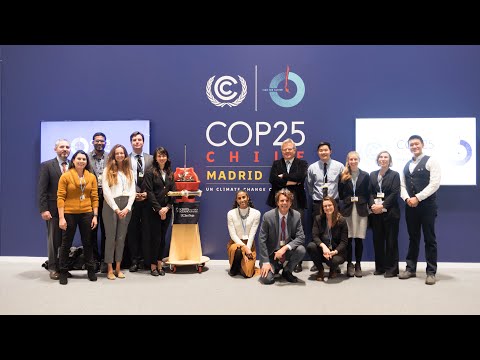
So, picture this: You’re sitting at home, sipping your coffee, and suddenly the news hits you. There’s a climate summit happening, and everyone’s buzzing about it. It’s the kind of thing that sounds super serious, right? But here’s the kicker—it’s kinda like a high-stakes global meeting where people are trying to save our planet while dealing with political drama. Seriously!
COP25 was all about climate action and international cooperation. And honestly, it was hard not to feel a mix of hope and frustration when you saw world leaders hashing it out. I mean, can you imagine being in a room full of decision-makers trying to fix things while dodging all sorts of agendas?
You gotta wonder: What came out of that meeting? What does it mean for us regular folks? Spoiler alert: It has global implications we should definitely be talking about! So sit tight; let’s unravel some scientific insights that emerged from COP25 together!
Key Outcomes of COP25: A Scientific Analysis of Climate Policy Developments
The COP25, or the 25th Conference of the Parties to the UN Framework Convention on Climate Change, took place in Madrid in December 2019. It was a big deal for climate policy. Like, really big. It brought together countries from around the world to hash out new plans and commitments to combat climate change. But what did it actually produce? Let’s take a closer look.
One of the major outcomes was the emphasis on significant reductions in greenhouse gas emissions. The science is pretty clear: we need to cut emissions drastically if we want to avoid catastrophic climate impacts. A key takeaway from COP25 was that many countries were still far behind in meeting their targets set by the Paris Agreement. This Agreement aimed for a limit of 1.5 degrees Celsius increase above pre-industrial levels, but frustration bubbled over about how slow things were moving.
Now, science showed us that limiting warming requires global emissions to peak by 2025 and then drop drastically after that. So when countries came together at COP25 and didn’t deliver stronger commitments, it felt like a bit of a letdown—you follow me? It’s like planning an awesome party and only half the friends show up.
Another significant point was how climate finance was addressed. Developing countries often need help to transition towards greener economies—think renewable energy projects or sustainable agriculture practices. At COP25, discussions revolved around how wealthy nations could help less affluent ones tackle climate change effectively. Promises were made, but there’s always skepticism about whether those promises will be kept or just float away like that balloon at your birthday party.
And let’s not forget about adaptation strategies. While cutting emissions is super important, adapting to climate impacts that are already happening is crucial too! COP25 highlighted the need for countries to develop better plans for coping with things like rising sea levels or extreme weather events—like those wild storms you’ve probably seen on TV lately.
The Rulebook, which basically lays out how countries should track and report their emissions, also got some attention at this conference. Having clear guidelines is key because without them, it’s hard to know who’s doing what in terms of reducing emissions across different nations—or if they’re even trying!
So yeah, while COP25 had its fair share of outcomes—or maybe I’d say “incomplete outcomes”—it sparked conversations and laid some groundwork for future negotiations. Watching these international meetings can be frustrating sometimes because progress feels slow; however, every little advance counts in this huge fight against climate change.
In summary:
- Greenhouse gas emission reductions: Countries recognized they needed more urgent action.
- Climate finance: Discussions about helping developing nations continued.
- Adaptation strategies: Highlighted as essential for dealing with existing impacts.
- The Rulebook: Focused on tracking and reporting standards.
COP25 might not have been perfect, but it did create pathways for future discussions—not just within governments but among everyday folks too! After all, when we’re all talking about these issues together—even if it’s over a cup of coffee—it might just spark some great ideas for solutions down the road.
Future Trends: Scientists’ Predictions on Global Carbon Emissions and Climate Change by 2035
Alright, let’s talk about carbon emissions and climate change. It’s a huge topic, and scientists have been crunching the numbers to predict what might happen by 2035. So, buckle up!
First off, global carbon emissions have been on a rollercoaster ride for years now. After the COP25 conference, which brought together world leaders and scientists, it was clear that we need to step up our game. The agreement laid down some serious challenges and commitments.
One big prediction suggests that if we carry on with business as usual, global carbon emissions could rise by a staggering 14% by 2030. That is like adding more fuel to a fire—definitely not what we want!
- The role of renewable energy: Experts are banking on renewable energy sources like wind and solar power. If countries invest in these technologies, there’s hope we could actually see emissions decrease significantly.
- Carbon capture technology: Carbon capture and storage can trap CO2 before it enters the atmosphere. Imagine giant vacuum cleaners catching all the nasty stuff! This tech is still developing but may play a crucial role in meeting future goals.
- Policy changes: Governments could implement stricter environmental regulations that can lead to reduced emissions. When lawmakers take action, meaningful change can happen.
You know what’s really wild? The predictions also highlight that even small changes at the individual level can make an impact. For example, switching to public transport or reducing meat consumption can collectively help cut down emissions.
The thing is, climate change doesn’t just affect ice caps and polar bears; it impacts us directly as well! Extreme weather events are likely to become more common—think wildfires, floods, and hurricanes hitting harder than before.
A little emotional note here: I remember watching news footage of communities devastated by floods after heavy rains last year. People were losing their homes—it’s heartbreaking! It really puts into perspective how urgent this issue is.
If you’re wondering about international cooperation—well, that’s key too! Without countries working together towards those common goals set at COP25 or similar gatherings—and actually committing to them—we’ll struggle big time in curbing those emissions.
So by 2035? Scientists are saying **we might see** either a positive trend if action is taken or catastrophic results if we keep ignoring the signs. It’s like being at a crossroads: take one path for sustainability or another leading straight into trouble!
This isn’t just some far-off problem; it’s happening now—and you guessed it; each one of us has a part to play. Whether it’s spreading awareness or making greener choices in our daily lives, every little effort counts!
The future’s not set in stone just yet! But remember: we hold the brushes that will paint our tomorrow as vibrant or dire as we choose it to be.
Exploring the Scientific Impacts of Climate Change: A Comprehensive Analysis of Environmental Consequences
Climate change is a big deal, right? It’s like an elephant in the room that everyone knows about but sometimes doesn’t want to talk about. But we need to. The scientific impacts are profound, and they’re affecting our planet in ways we often don’t realize.
What happens when the climate changes? First off, you’ll notice temperature rises. We’re talking about the Earth getting warmer due to increased greenhouse gases. These gases trap heat, like a blanket keeping you cozy. But too much warmth isn’t good; it leads to crazy weather patterns. So, let’s break down some of these environmental consequences.
- Melting ice caps: Glaciers and ice sheets in places like Antarctica are melting faster than a popsicle on a summer day. This contributes to rising sea levels, which puts coastal cities at risk.
- Ocean acidification: As more CO2 gets absorbed by oceans, it turns them more acidic. This messes with marine life, especially creatures with shells like coral reefs or shellfish.
- Biodiversity loss: Changing habitats threaten species that can’t adapt quickly enough. Think of polar bears struggling to find ice or frogs disappearing because their homes are drying up.
- Extreme weather events: We’ve been seeing an uptick in hurricanes, floods, and wildfires lately. Scientists link this spike directly to climate change; warmer air holds more moisture and energy.
One thing that really struck me was during COP25, when officials gathered to discuss solutions for climate change. Imagine being surrounded by passionate people from all over the world eager to save our planet! But the reality is sobering: global emissions keep rising despite all the talks and agreements.
And let’s not forget about those socio-economic impacts. Communities dependent on natural resources—like fishing or farming—face hardships when environments change rapidly. It’s heart-wrenching to think of families losing their livelihoods just because of something we could prevent!
In summary, climate change isn’t just some abstract threat; it’s here and now—it’s affecting ecosystems, people, and economies daily. The more we understand these scientific insights from forums like COP25, the better we can tackle these challenges together! It’s all about making informed choices now for a healthier Earth later on!
When COP25 rolled around, it was like waiting for the latest blockbuster movie to hit theaters. You know, everyone hyped up about what’s coming next, but you also can’t shake off this nagging feeling that maybe it won’t deliver. With all the talk about climate change and global warming these days, it’s hard not to get caught up in the drama of it all.
So, what’s the deal with COP25? Well, it was this big international conference focused on climate actions. Scientists and leaders from around the globe come together and share insights on how we can tackle one of the biggest challenges humanity has ever faced—like serious stuff here, not just a casual chat over coffee. The excitement is palpable when they present findings and strategies. You find people passionately debating how to save our planet—just like a friend arguing about their favorite band!
One moment during COP25 that really stuck with me was when a young activist spoke up about her fears for her future. She talked about wildfires tearing through forests and rising sea levels swallowing coastal towns. It was raw and heartfelt; you could almost feel the weight of her worries in the air. It really struck me how these conversations are not just abstract numbers or graphs; they’re about people—lots of them—who are already feeling the impact of climate change.
The scientists shared some pretty cool insights too. They showed how greenhouse gas emissions keep rising despite all our good intentions. And let me tell you, that’s a tough pill to swallow! But here’s where it gets interesting: sometimes bad news sparks innovation. Like, researchers are now looking into carbon capture technologies that can literally grab CO2 from the air and store it away like an overstuffed suitcase after a vacation.
But then you have those moments where discussions turn a bit cynical too—like when countries bicker over policies instead of focusing on solutions. It’s always a challenge to align everyone’s interests while trying to save the planet. But isn’t this what makes us human? We’re messy beings trying to figure things out together.
Now, let’s get real for a sec: we can all feel pretty helpless when we hear alarming facts or see catastrophic events happening around us daily. Yet COP25 tried to weave hope through all that despair by connecting science with activism and policy-making.
So what’s our takeaway from this whole thing? Well, scientific insights from COP25 should remind us that every little effort counts—whether it’s reducing waste or supporting renewable energy sources in our communities. The implications stretch far beyond borders; it’s not just an environmental issue but also social justice—a call for equality among nations facing unequal burdens from climate change.
In short, while COP25 may have had its mix of highs and lows, it served as another reminder that together we can face even the most daunting challenges ahead if we keep listening—and acting—for both people and nature alike!