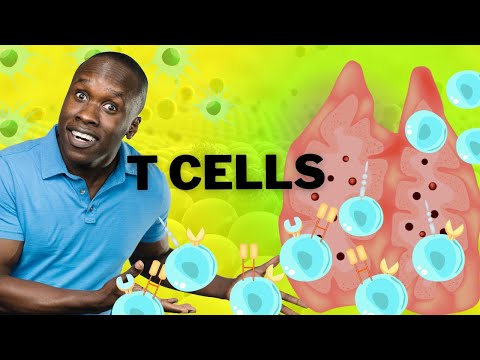
You ever notice how your body is kind of like a superhero movie? Seriously! One minute, everything’s chill, and the next, bam! You’ve got villains lurking around, trying to mess things up.
Now, think of T cells as the caped crusaders of your immune system. They’re not just sitting around waiting for action; they’re out there battling those pesky invaders. You’ve got two main types: cytotoxic T cells, the tough fighters who take down harmful cells, and helper T cells, the strategists making sure everyone’s doing their part in this epic battle.
So like, when a cold or flu comes knocking on your door, it’s these tiny warriors that jump into action. They’re pretty amazing if you ask me! So let’s dive into their world and see what makes these immune system guardians so special!
Exploring the Key Cells that Safeguard Our Immune System: Guardians of Human Health
So, let’s talk about those tiny but mighty heroes in our body—the T cells! You know, your immune system has this powerful team of cells that work hard to keep you healthy. Two main players in this game are cytotoxic T cells and helper T cells. They’re like the dynamic duo of your immune response!
First up, cytotoxic T cells. Imagine these guys as the elite soldiers. They’re trained to detect and destroy infected or cancerous cells. When they spot a rogue cell that’s behaving badly—say, one that’s been invaded by a virus—they spring into action. They release special proteins that punch holes in the target cell’s membrane. This leads to the cell’s destruction! Seriously, they’re like little ninjas but for your body.
On the other hand are helper T cells. These fellas are more like the strategic planners or coaches of your immune army. When they encounter an invader—like bacteria—they help activate other immune cells, including those cytotoxic soldiers I just mentioned! They send out chemical signals called cytokines that rally the troops, so to speak. Without helper T cells, our immune response would be way less effective; it’s like trying to play a game without a playbook.
Now, let’s break down how these two types of T cells work together:
- Activation: Helper T cells recognize antigens (those pesky invaders). Once activated, they signal cytotoxic T cells.
- Attack: Cytotoxic T cells get activated by helper T cells and go hunting for infected or cancerous cells.
- Growth: After an encounter with an invader, both types of T cells multiply to ensure there are enough fighters next time.
- Memory: Some remain as memory T cells, ready for quick action if the same invader shows up again.
It’s like a well-oiled machine! And speaking of machines—let me take you back to when I learned about this firsthand. I remember being at a science fair as a kid and seeing this super cool model of the immune system. The teacher explained how these tiny soldiers were always on patrol in our bodies! It really clicked for me how alive our body is with all this action happening behind the scenes.
But it gets even better! Sometimes things can go wrong with these guardians—like when your immune system gets confused and decides friendly tissues are enemies. That can lead to autoimmune diseases where your own body fights against itself—yikes!
So next time you think about staying healthy or wonder how your body fights off sickness, remember these two heroes: cytotoxic and helper T cells working hard behind the scenes. They’re literally guarding our health every day!
Understanding the Role of Helper T Cells in Modulating Cytotoxic T Cell Activity
Let’s chat about those unsung heroes of our immune system: Helper T cells and Cytotoxic T cells. Seriously, these guys are like the ultimate tag team in your body when it comes to defending against infections and diseases.
First off, what exactly are these cells? Well, Cytotoxic T cells, or CD8+ T cells as the cool kids call them, are like the attackers. They hunt down and destroy infected or cancerous cells. But guess what? They don’t just go all Rambo on their own; they need some serious backup from something called Helper T cells, or CD4+ T cells.
You see, Helper T cells are kind of like the coaches on a sports team. They don’t actually score points but play a crucial role in strategizing. They get activated first when your body thinks it’s under threat. Once they’re fired up, they start sending signals—think of it like yelling directions to teammates!
- Activation: When a pathogen enters your body, Helper T cells recognize bits of it using a special receptor (called the T cell receptor). This process primes them for action.
- Cytokine production: After activation, they release proteins called cytokines. These proteins are really important because they help recruit and activate Cytotoxic T cells.
- Boosting effectiveness: Helper T cells also enhance the ability of Cytotoxic T cells to find their targets. Without this boost, those Cytotoxic fighters might not do their job as effectively.
A little side story here—imagine watching your favorite sports team struggle because the coach is silent. The players can’t see the whole field in the midst of all that chaos! Now picture that coach stepping up with clear instructions—that’s basically how Helper T cells operate!
The relationship between these two types of T cells is not just teamwork; it’s more like a dance! When they get together, they can amplify that immune response by rallying other cell types too—like B cells that make antibodies. It’s all about coordination and communication.
You might be wondering why this balance is so crucial. If there’s too much action from those Cytotoxic guys without enough guidance from Helper T cells, you could end up with tissue damage or autoimmune diseases where your immune system accidentally attacks healthy stuff in your body. At the same time, if there aren’t enough Cytotoxic responses being activated by Helper T signals? Well then, watch out for infections making themselves at home!
The bottom line is: without Helper T cells doing their thing, Cytotoxic T cell activity could become less effective or even go rogue sometimes. So next time you hear about fighting infections and keeping our bodies safe, remember this dynamic duo working tirelessly behind the scenes.
Exploring the Functions of Helper, Cytotoxic, and Memory T Cells in Immunology
So, let’s chat about T cells, the unsung heroes of your immune system. You know, those little fighters that help keep you healthy. There are a few different types—mainly Helper T cells, Cytotoxic T cells, and Memory T cells. Each type has its own job in the grand scheme of your immune response.
Helper T Cells are like the cheerleaders of the immune system. They don’t actually attack pathogens directly but instead support other immune cells. They send out signals to activate B cells (the ones that produce antibodies) and Cytotoxic T cells. Imagine them as the coaches at a game, guiding and strategizing for the win! When a pathogen invades, Helper T cells recognize it and release compounds called cytokines to get everything buzzing.
On the flip side, we have Cytotoxic T Cells. These guys are like the snipers on a battlefield. Their primary role is to hunt down and destroy infected or cancerous cells. They do this by recognizing specific signals on these compromised cells and then unleashing their destructive capabilities. Picture them as those elite soldiers sneaking in to take out threats precisely—no room for mistakes!
Now you might be wondering how they know what to attack? Well, they use something called MHC molecules (Major Histocompatibility Complex). It’s like wearing a name tag that says “I’m not one of you!” When Cytotoxic T cells see these tags on infected or abnormal host cells, they spring into action.
Then there’s this cool trio called Memory T Cells. Think of them as veterans who’ve fought in battles before—they’ve seen things! After an infection is cleared up, some Helper and Cytotoxic T cells become Memory T Cells. They stick around in your system long after an infection has passed, waiting for any sign of trouble from that pathogen again. This means if the same bug tries to invade later on, your body can respond way faster than before!
It’s kind of like that time when I got sick with a nasty flu back in college. I was down for days—sore throat, fever—it was rough! But after I recovered, my immune system had made those Memory T Cells that recognized that specific flu virus. So when I later encountered it again years later? My body kicked into gear much quicker than before.
To sum things up:
- Helper T Cells: Support others by activating B cells and Cytotoxic T Cells.
- Cytotoxic T Cells: Directly kill infected or cancerous host cells.
- Memory T Cells: Remember past infections so your body can react more swiftly next time.
Each type plays a crucial role in maintaining our health and fighting off diseases together! Pretty fascinating how our bodies have this built-in army ready to protect us every day without us even realizing it!
So, you know when you get a cold or that awful flu? It’s super annoying, right? But have you ever thought about what your body is doing behind the scenes to fight off those germs? This is where these little warriors called T cells come in—specifically, cytotoxic and helper T cells. Seriously, they’re like the superheroes of your immune system!
Cytotoxic T cells are like those action heroes who swoop in to take out the bad guys. When they spot infected cells or, even worse, cancerous ones, they don’t hesitate. They literally punch a hole in those cells and send them packing! It’s pretty intense. I remember when my sister was going through a tough time with her health. The doctors explained how her body was relying on these T cells to battle against her illness. It was both scary and comforting to know that we have these tiny fighters working hard for us.
On the other hand, you’ve got helper T cells, which are more like the strategists in an epic battle scene. They don’t directly attack but instead coordinate the immune response by signaling other immune cells to do their part. Think of them as coaches in a sports game—yelling out plays and making sure everyone’s on the same page to tackle whatever comes their way.
What’s interesting is how crucial balance is between these two types of T cells. If cytotoxic T cells go rogue and start attacking healthy tissues (like they sometimes do in autoimmune diseases), it can lead to serious problems. But without enough helper T cells to keep everything organized, your immune response could fizzle out when you need it most.
So basically, it’s this intricate dance between these guardian angels of our immune system that keeps us healthy—or not! Our bodies are always engaged in this fascinating battle with pathogens, using sophisticated strategies we’re still learning about. And honestly? Just thinking about all of it makes me appreciate how complex—and remarkable—our immunity really is!